
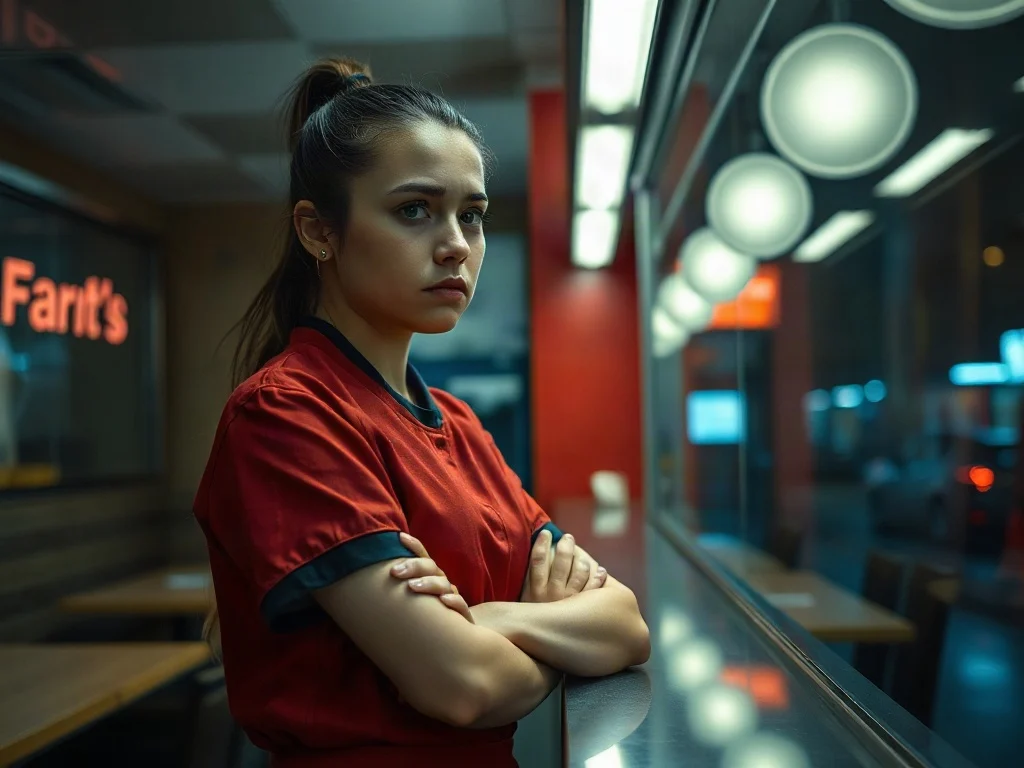
The McDonald’s sex abuse case has entered a new phase. A judge has ruled that a legal claim against the fast-food chain can proceed, and a former worker is urging the company to “change the way they treat younger employees.” The headline quote, “They were waiting for the younger girls to turn 18,” captures the core allegation: that power imbalances in a young workforce allowed harassment and abuse to go unchecked. This article explains what the ruling does and does not establish, why liability is so contested, and what employers and workers should take from it.
What the Court Ruling Actually Means
Allowing a case to go ahead is a procedural step. It is not a finding of guilt or liability. A judge deciding that a claim can proceed is saying that it raises arguable issues that deserve a full hearing. The allegations remain unproven in court, and the full details of the claims should be checked against the original reporting and court documents.
The distinction matters because headlines about a McDonald’s sexual harassment claim can suggest a verdict when the court has only cleared the way for evidence to be tested. In civil litigation, that stage can take years and often ends in settlement rather than judgment.
Background: Why Young Staff Are Especially Exposed
McDonald’s is one of the largest employers of teenagers and first-time workers in the fast food sector. A 2023 BBC investigation, which drew on accounts from more than 100 current and former UK staff, reported allegations of sexual abuse, harassment, racism and bullying. The company apologised and said it would act, and it later entered a formal arrangement with the equality watchdog, the Equality and Human Rights Commission.
Researchers who study sexual harassment consistently point to the same risk factors: hierarchical workplaces, young and inexperienced employees, shift work with limited supervision, and a reluctance to report. The quote in the headline describes a pattern some experts associate with grooming, in which an older colleague or manager exploits authority over a younger worker. Whether that pattern is proven in this case is for the court to decide.
The Central Legal Question: Who Is Responsible?
Employer Liability
Under the Equality Act 2010, employers can be held responsible for harassment by staff carried out in the course of employment, unless they took all reasonable steps to prevent it. Claimants may also argue vicarious liability or a breach of the employer’s duty of care. The legal tests are demanding, particularly when alleged conduct happens outside working hours or away from the premises.
The Franchise Complication
Most McDonald’s restaurants in the UK are run by independent operators under a franchising model. This raises a difficult question about franchise liability for employee abuse. Is the parent company responsible for workplace culture, or only the local franchisee who employs the staff? Courts have generally focused on who actually controls day-to-day employment, but the argument that a brand sets standards and therefore bears some responsibility is gaining attention. Readers should not assume how this ruling resolves that question without reading the judgment itself.
How Workplaces Fail Younger Employees
Most failures follow predictable patterns rather than isolated incidents:
- Reporting routes that run through the accused: a complaint to a line manager is useless when the manager is the problem.
- Fear of losing hours: insecure rostering, including zero-hours contracts, can make staff reluctant to complain.
- Weak training: young workers may not recognise conduct as unlawful, or know whom to tell.
- Cultural normalisation: behaviour that persists unchallenged becomes accepted, a dynamic often described in research on workplace bullying.
How to Protect Young Workers From Workplace Harassment
For Employers
- Provide independent reporting channels, such as an external hotline that protects whistleblowers.
- Train managers specifically on power dynamics involving under-18s and recent school leavers.
- Audit rosters so that young staff are not routinely left alone with much older supervisors.
- Track complaint outcomes, not just complaint numbers, and publish the results internally.
For Workers and Parents
Keep dated records of incidents, messages and witnesses. Free guidance is available from Acas and the Equality and Human Rights Commission. A trade union can also offer representation. Claims may go to an employment tribunal within strict time limits, so early advice matters.
Frequently Asked Questions
Does the ruling mean McDonald’s has been found liable?
No. It means the claim can proceed to a fuller hearing. Liability has not been decided.
Can a franchisor be sued for a franchisee’s employees’ conduct?
It depends on the degree of control and the legal basis of the claim. This is one of the most contested areas in the case.
What should a young worker do after experiencing harassment?
Record the details, report through the safest available channel, and seek independent advice from Acas, a union or a solicitor.
The Question This Case Leaves Open
The most important insight is that the case is less about one company’s culture than about whether brands that profit from young, low-paid labour can be required to answer for how that labour is treated. If courts accept that corporate control over standards creates responsibility, franchise businesses everywhere will have to rethink their oversight. If they do not, pressure will shift to regulators and legislators, including possible class-style group claims. Watch for the full judgment’s reasoning on control and responsibility, for any further action by the equality regulator, and for whether other chains face similar scrutiny. The unanswered question is simple: when abuse is alleged to be systemic, who is accountable for the system?
Frequently Asked Questions
Does the judge's decision mean McDonald's has been found liable?
No. Allowing a claim to proceed is only a procedural step. It means the case raises arguable issues that merit a full hearing. The allegations remain unproven, and any finding of liability would come only after evidence is tested, or the case could end in a settlement.
Why is it hard to hold McDonald's itself responsible rather than the local restaurant owner?
Most UK McDonald's restaurants are run by independent franchisees who employ the staff. Courts have generally looked at who controls day-to-day employment. Claimants may argue that the brand sets standards and so shares responsibility, but that argument is still developing and is not settled by this ruling.
Can an employer be responsible if the alleged abuse happened outside work?
Possibly, but it is difficult. Under the Equality Act 2010, employers can be liable for harassment carried out in the course of employment unless they took all reasonable steps to prevent it. Conduct outside working hours or away from the premises makes the legal tests more demanding.
What does the quote about waiting for girls to turn 18 suggest about the allegations?
It points to a power imbalance in which older colleagues or managers allegedly exploited authority over younger staff. Some experts link this pattern to grooming. Whether it happened in this case has not been proven and is for the court to decide.
Why do young workers often fail to report harassment?
Several factors combine: complaints may go through the very manager accused, insecure rostering or zero-hours contracts create fear of losing shifts, and weak training leaves young staff unsure what is unlawful or whom to tell. Unchallenged behaviour can also become normalised over time.
What has McDonald's done since the 2023 BBC investigation?
After the BBC reported allegations from more than 100 current and former UK staff, McDonald's apologised and said it would act. It later entered a formal arrangement with the Equality and Human Rights Commission, the equality watchdog, to address workplace conduct.