
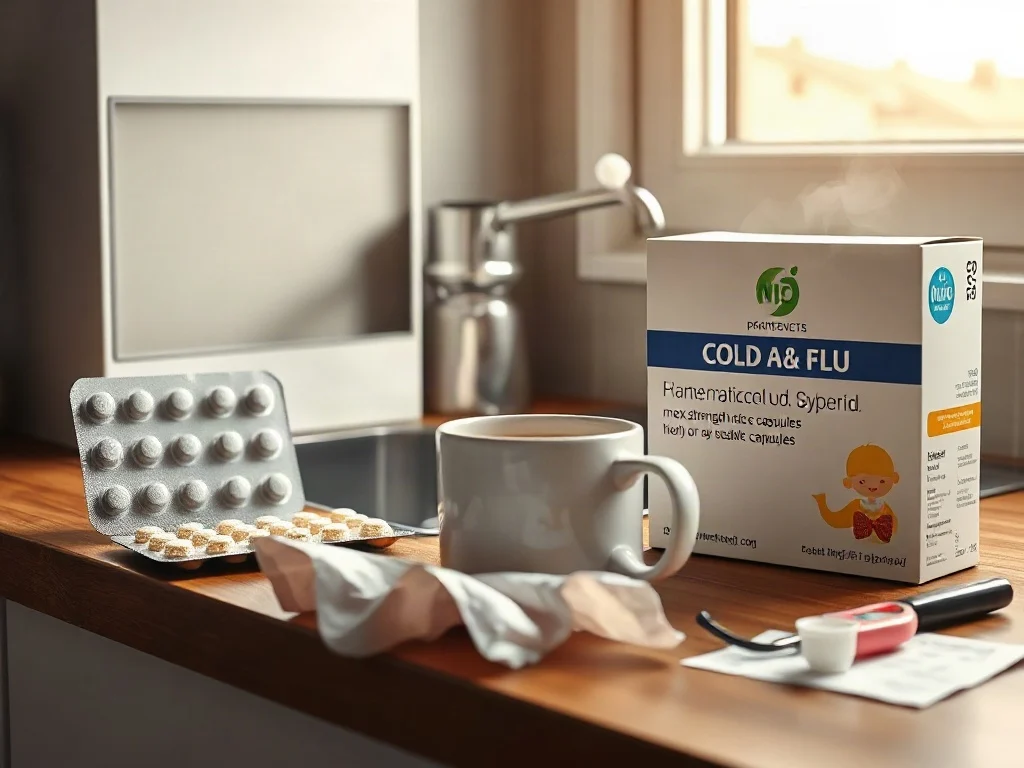
Pharmacy shelves make a simple promise: the stronger the label, the faster the relief. Yet max strength cold and flu pills can cost around 20 times as much per pack as plain paracetamol or ibuprofen, according to a recent consumer-focused report. This article asks whether that premium buys anything measurable. It separates the ingredients that have evidence behind them from the marketing language wrapped around them, and it shows where a higher price can be justified.
What You Are Actually Paying For in Cold and Flu Remedies
A cold and flu remedy is rarely a single drug. Most are combination products: a painkiller and fever reducer, usually paracetamol, plus one or more extra ingredients aimed at specific symptoms. Understanding that formula is the first step in judging value, because the added ingredients are where both the price and the scientific doubt concentrate.
The Usual Ingredients
- Paracetamol: the core analgesic and antipyretic in most hot drinks and capsules.
- A decongestant: typically phenylephrine or pseudoephedrine, intended to relieve a blocked nose.
- An antihistamine: often a sedating one such as chlorphenamine, common in night-time formulas.
- A cough ingredient: dextromethorphan as a suppressant or guaifenesin as an expectorant.
- Extras: caffeine or vitamin C, whose benefit against cold symptoms is modest at best.
What “Max Strength” Really Means
“Max strength” is a marketing term, not a clinical category. In many cases it means the product contains a full single dose of paracetamol, such as 1,000 mg, plus a decongestant in one sachet or two capsules. That is not necessarily stronger relief than taking standard paracetamol at the labelled dose. It is the same ceiling of analgesia packaged with extras. The daily limit for paracetamol does not change because the box looks more powerful.
Do Cold and Flu Tablets Work? What the Evidence Says
The honest answer is that they relieve some symptoms for some people, and the evidence for individual components is uneven. Both the common cold and influenza are viral. No over-the-counter tablet cures either. Everything on the shelf is symptomatic relief, and the question is how much relief each ingredient provides.
Painkillers and Fever Reducers
This is the strongest part of the formula. Paracetamol and ibuprofen, a nonsteroidal anti-inflammatory drug, are well-established treatments for aches, headaches, sore throat pain and fever. A Cochrane review of paracetamol for the common cold, published in 2013 by the Cochrane collaboration, suggested it may help with nasal obstruction and runny nose in adults but found no clear effect on sore throat, malaise, sneezing or cough. Even the best-supported ingredient shows a narrower benefit than the packaging implies.
Decongestants and the Phenylephrine Problem
The most pointed critique concerns oral phenylephrine. In September 2023, an advisory committee to the US Food and Drug Administration voted unanimously that the evidence does not support oral phenylephrine as an effective decongestant at the doses used in over-the-counter products. The FDA later proposed removing it from its over-the-counter monograph. That does not automatically settle regulation in other countries, but it matters for any buyer paying extra for a “sinus” or “congestion” formula built on it. Pseudoephedrine has better evidence for congestion, but it is more tightly controlled in many countries and unsuitable for some people, including those with high blood pressure.
Antihistamines and Cough Ingredients
Sedating antihistamines may dry a runny nose and help sleep, but some of that benefit is a side effect of drowsiness. Evidence for cough suppressants and expectorants in acute colds is weak. Cochrane reviews of combination cold remedies have generally found small or uncertain benefits, with some antihistamine-decongestant-analgesic mixtures offering modest general improvement in adults at the cost of more side effects. Treat that as a cautious reading, not a verdict.
Where the 20-Times Price Premium Comes From
Paracetamol and ibuprofen are off-patent generic drugs made by many manufacturers, which keeps prices low. Branded combination products carry marketing, packaging, formulation and retail costs, and they are positioned as convenience goods bought when someone is unwell and not comparing prices. Hot-drink sachets add flavouring and a premium for the format. Shoppers are also paying for the psychological comfort of a product that appears to target every symptom at once.
| Product type | What it typically contains | Value judgement |
|---|---|---|
| Basic paracetamol or ibuprofen | One active ingredient | Lowest cost per dose, proven pain and fever relief |
| Max strength cold and flu pills | Paracetamol plus decongestant, sometimes caffeine | High premium, benefit of the add-ons is uncertain |
| Day and night combinations | Analgesic, decongestant, antihistamine, cough ingredient | May suit multi-symptom nights, but raises side-effect and interaction risk |
| Single-purpose extras (throat lozenges, saline spray) | Local-acting ingredients | Targeted, often cheaper than a full combination |
Branding is the key variable. A product’s name and shelf position can inflate the price without changing the active dose. Reading the ingredient panel is the only reliable way to compare.
Paracetamol vs Ibuprofen for Cold and Flu Symptoms
For most adults, the cheapest effective strategy is to choose between these two drugs, or use them in a sensible plan. Paracetamol is generally gentler on the stomach. Ibuprofen has anti-inflammatory action that some people find better for aches and sore throat, but it is unsuitable for people with certain stomach, kidney or asthma conditions. Guidance from the NHS in England on the common cold recommends rest, fluids and simple painkillers, and suggests asking a pharmacist if unsure. Children, pregnant women and people on regular medication need individual advice, and aspirin must not be given to under-16s because of the risk of Reye syndrome.
The Hidden Cost: Accidental Double-Dosing
The less discussed problem with combination remedies is safety, not price. Because most contain paracetamol, someone who takes a hot-drink sachet and then a separate paracetamol tablet for a headache can exceed the daily limit without realising. Paracetamol poisoning is a leading cause of acute liver injury in several countries, and the margin between a therapeutic and a harmful dose is narrower than most people assume. Anyone using multi-ingredient products should check every label for duplicated actives. Decongestants add their own cautions for people with hypertension, heart disease or thyroid problems. A cheap, single-ingredient product is easier to dose correctly.
How to Treat a Cold Without Overpaying
Applied practically, the evidence points to a straightforward approach for adults without complicating conditions:
- Identify your worst symptom. Pain and fever call for paracetamol or ibuprofen; a blocked nose may respond better to saline spray or steam.
- Buy single-ingredient products first. Add a targeted item only if a specific symptom persists.
- Read the active ingredient list, not the front label. Compare milligrams of each active across brands.
- Compare unit prices. Supermarket and pharmacy own-brand equivalents usually contain identical actives at much lower cost.
- Ask a pharmacist. A short consultation is free and can flag interactions and unsuitable ingredients.
- Do not combine products with the same active. Keep a written log of doses and times.
When a Combination Remedy May Still Be Worth It
A pricier product is not always a bad purchase. If someone has a full set of symptoms and wants one dose they can take while working or travelling, convenience has real value. Night-time formulas with a sedating antihistamine may help some people sleep through a rough evening. The reasonable position is that these products are a convenience purchase, not an upgrade in clinical effectiveness. Paying extra is defensible if the buyer understands that, and not if they believe “max strength” means the medicine is stronger.
Symptom duration also matters. Colds usually resolve within about one to two weeks. Persistent high fever, breathing difficulty, chest pain or symptoms that worsen after initial improvement warrant medical advice, and no over-the-counter pill is a substitute for that. Antiviral treatment for flu, where indicated, is prescription-based and is a different category from shelf remedies; see the Medicines and Healthcare products Regulatory Agency for UK regulatory information on medicines.
Frequently Asked Questions
Are max strength cold and flu tablets better than paracetamol?
Not for pain and fever, where they usually contain the same paracetamol. Any extra benefit comes from added ingredients such as decongestants, whose evidence is mixed.
Do cold and flu tablets cure a cold or flu?
No. Both illnesses are viral and these products only ease symptoms while your immune system clears the infection.
Is it cheaper to take paracetamol and ibuprofen separately?
Generally yes, per dose. It also gives you control over each ingredient, provided you follow dosing intervals and check that both drugs are safe for you.
Can I take cold and flu pills with paracetamol?
Usually not. Most combination products already contain paracetamol, so adding more risks exceeding the daily maximum.
The Real Test Is Price Per Symptom Relieved
The most useful insight is that the headline price gap is only half the story. The other half is a gap between what the packaging implies and what the trial evidence shows. A shopper paying 20 times more is mostly paying for ingredients that are either duplicative, uncertain or, in the case of oral phenylephrine, publicly questioned by a major regulator’s advisers.
Watch two developments. The first is whether other regulators follow the FDA’s lead on phenylephrine and force reformulation or relabelling of popular products. The second is whether “max strength” and similar claims face tighter scrutiny from advertising and medicines authorities. A reasonable prediction is that formulations will shift toward ingredients with firmer evidence, with prices holding or rising. The unanswered question is whether consumers will stop paying for reassurance once the label no longer promises it.
Frequently Asked Questions
Does 'max strength' mean the pills relieve symptoms better than ordinary paracetamol?
Not necessarily. 'Max strength' is a marketing term, not a clinical category. It usually means a full paracetamol dose, such as 1,000 mg, packaged with a decongestant or other extras. The painkilling ceiling is the same as standard paracetamol taken at the labelled dose, and the daily limit does not change.
Why is oral phenylephrine a concern when buying a congestion formula?
In September 2023, a US FDA advisory committee voted unanimously that oral phenylephrine is not effective as a decongestant at over-the-counter doses. The FDA later proposed removing it from its monograph. Rules elsewhere may differ, but you may be paying extra for an ingredient with weak evidence.
Is pseudoephedrine a better alternative to phenylephrine?
It has better evidence for relieving a blocked nose, but there are drawbacks. It is more tightly controlled in many countries, so it may be harder to buy. It is also unsuitable for some people, including those with high blood pressure, so check with a pharmacist before using it.
Do sedating antihistamines in night-time formulas actually treat cold symptoms?
They may dry a runny nose and help you sleep, but part of that benefit comes from drowsiness, which is a side effect. Cochrane reviews of combination remedies found only modest general improvement in adults, with more side effects. Treat them as a sleep aid rather than a cure.
Can any cold and flu tablet cure the illness or shorten it?
No. Colds and influenza are viral, and no over-the-counter tablet cures either. Everything on the shelf only eases symptoms, and the evidence for individual ingredients is uneven. Even paracetamol showed a narrower benefit in the 2013 Cochrane review than its packaging implies.
Is it cheaper and equally effective to take single-ingredient medicines instead?
Often, yes. Plain paracetamol or ibuprofen covers the best-supported benefits of aches and fever for far less money, since combination packs can cost about 20 times more per pack. You can add a targeted single product only if a specific symptom needs it.