
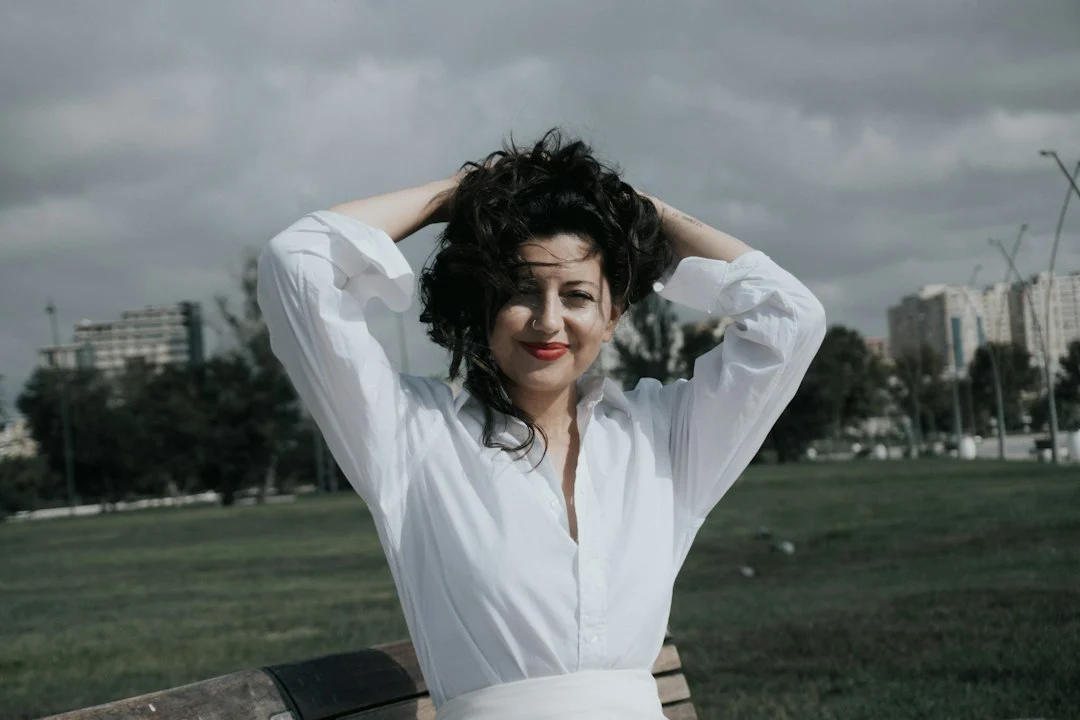
Where is Amanda Bynes now? The most defensible answer is that she is living largely outside the machinery of Hollywood, with a life shaped by privacy rather than publicity. That shift matters because Bynes was never a minor figure on the margins of pop culture. She was a defining Nickelodeon presence, first on All That and then on The Amanda Show, before moving into studio films such as Big Fat Liar, What a Girl Wants, She’s the Man, Hairspray, and Easy A. Her exit from acting at 24 was abrupt, but it also reflected a larger pattern: child stardom can become unsustainable when the industry keeps demanding a polished adult identity from someone still trying to become one.
From Nickelodeon breakout to teen-movie lead
Bynes’ early career was built inside the fast, highly visible world of Nickelodeon. As a young performer, she moved quickly from sketch comedy to leading roles, and her appeal was unusually broad. She was not just cute or relatable; she was technically good at comedy. That mattered. On All That, she proved she could handle timing and character work. On The Amanda Show, she became the center of the format instead of one performer among many. That kind of early dominance is rare for a child actor, and it usually comes with a trade-off: the audience begins to treat the performer as a brand before the person has had time to develop outside it.
Her film career expanded that brand. In the 2000s, Bynes became a reliable lead in Drake & Josh-adjacent Nickelodeon culture and mainstream teen entertainment, appearing in films that sold wit, charm, and a polished youthful energy. She worked in the same commercial lane that produced other glossy teen vehicles and TV crossover fame, including What I Like About You as part of the broader network ecosystem. The point is not that every project was equally strong. The point is that her face became shorthand for a whole era of youth entertainment. That makes her disappearance from the industry more notable than a routine career pause.
Why stepping away at 24 changed the story
Bynes walked away from acting at 24, and that decision reshaped how the public understood her. In a normal industry cycle, an actor can step back, retrain, and return. But when someone has spent years being marketed as a personality rather than only a performer, leaving the spotlight becomes a cultural event. The problem is that the public often treats a child star’s retreat as either tragedy or mystery. Neither framing is very useful. A cleaner reading is that Bynes had been inside a pressure system built around performance, media access, and constant commentary. Once she stopped feeding it, the story turned inward.
That was also the moment when social media intensified the public’s need for updates. In an earlier era, an actor could fade from view more quietly. In the Twitter-and-Instagram age, every silence becomes a subject of speculation. Bynes’ online activity, especially on Twitter and later Instagram, became part of the public narrative around her. That did not make the narrative more accurate. It mostly made it louder. For celebrity culture, that distinction is fatal: volume is mistaken for understanding.
The difficult middle years: conservatorship, health, and public speculation
Any serious account of Amanda Bynes now has to deal with the years in which her life was managed under a conservatorship. The arrangement began in 2013 and ended in 2022. That span matters because it marks a period when her autonomy was legally constrained while the public continued to consume her story as entertainment. The details of those years were widely reported, but the broader lesson is bigger than one case: when a former child star encounters serious personal distress, the legal system, the media, and the audience all end up shaping the story at the same time.
Bynes has also spoken publicly about her mental health, and reporting has referred to bipolar disorder. That should be handled with care. It is easy for the internet to turn diagnosis into a click-driven label, but the ethical reading is different. Mental health is not a spectacle, and it is not a shortcut explanation for everything a public figure does. In Bynes’ case, the more important point is that her private struggles were repeatedly converted into public content. That is where the media ecosystem failed her. A person’s worst days are not public property, even if their best-known work was once broadcast nationally.
The headline question sounds simple, but the real issue is whether a former child star can build an adult life without being permanently reduced to her most visible breakdowns.
What Amanda Bynes is doing now
Publicly, the clearest answer is that Bynes has chosen a much quieter life. Reporting has generally placed her in Los Angeles, but she does not operate like a conventional celebrity trying to stay constantly visible. That is the key distinction. Her current life appears to be organized around stability, privacy, and a smaller public footprint, not around sustaining the expectations of a former sitcom and movie star.
Her most concrete post-Hollywood pursuit has been education. Bynes enrolled at the Fashion Institute of Design & Merchandising, which fits a pattern common among former performers who want a life that is creative but not dependent on celebrity attention. Public reports said she earned an associate degree there, a detail that matters because it reframes her story from collapse narrative to reconstruction narrative. An education is not a tabloid twist. It is evidence of deliberate rebuilding.
That is also why it is misleading to ask only whether she is
Frequently Asked Questions
Did Amanda Bynes retire from acting for good, or could she still return someday?
The article suggests she has been living largely outside Hollywood, but it does not frame her exit as a permanent, public farewell. A return would depend on her own choices and circumstances. For now, the key point is that her life appears centered on privacy rather than on an active entertainment career.
Why did stepping away at 24 change how people talk about her so much?
Because Bynes was not just another actress taking a break. She had been marketed for years as a defining youth-pop-culture figure, so leaving early felt like a major event. The public often turned that into a mystery or tragedy, even though it can simply reflect the strain of being a child star pushed into adult expectations.
What happened during the conservatorship years, and why do they matter in understanding her life now?
Her conservatorship began in 2013 and ended in 2022. Those years matter because they marked a period when her autonomy was legally limited while the public still followed her story closely. The article treats that period as part of a larger lesson about how fame, distress, and media attention can become intertwined.
Can social media posts be used to figure out where Amanda Bynes is now?
Not reliably. The article notes that her online activity became part of the public narrative, but that does not mean it gave an accurate picture of her life. In the social media era, silence or posts can both fuel speculation, and neither is a dependable guide to her day-to-day reality.
What made Amanda Bynes stand out from other teen stars of her era?
She was valued not only for her image but for her comedy skills. On All That she showed strong timing and character work, and The Amanda Show made her the center of a successful format. That combination of talent and visibility made her a standout figure in Nickelodeon’s early-2000s entertainment landscape.