
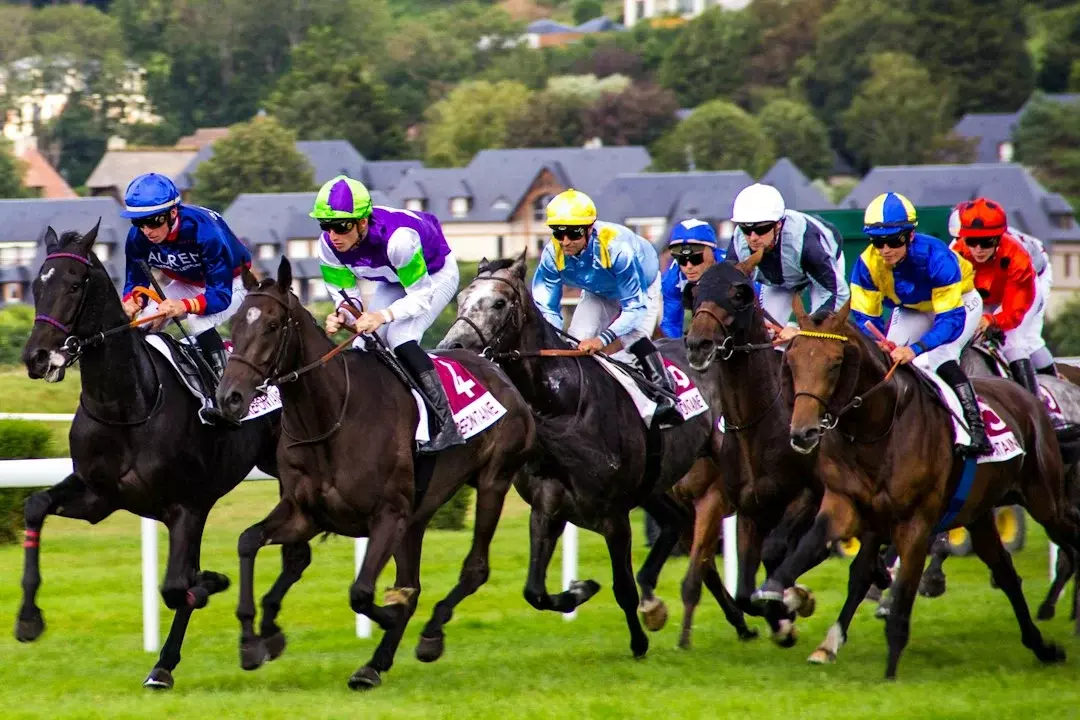
Monday horse racing tips often sell the illusion that a well-placed each-way bet is a shortcut to profit. It is not. The edge in horse racing each way betting tips comes from identifying when the win market underprices a horse’s place chance, when the place terms are generous, and when the race shape supports a repeatable finish rather than a speculative leap.
That distinction matters because an each-way bet is a split wager: one part on the win, one part on the place. In a sport as structurally uncertain as horse racing, that can be sensible. But only if the price, the field, and the race conditions justify the extra cost. The Monday cards often highlighted in tip columns, including meetings at Pontefract Racecourse, are useful precisely because they expose the difference between a confident narrative and actual betting value.
A good read on a racehorse is never just about the animal in isolation. It is about whether a thoroughbred has the right conditions, whether the contest is a handicap, and whether the odds still leave room for profit after the bookmaker has taken a margin. That is why the best Monday analysis feels clinical rather than enthusiastic.
Tipsters frequently lean on recurring signals: a horse that has run well after a break, a runner that is 1lb lower in the weights, or a course specialist in a race where the field is not especially deep. Those clues are not meaningless. The problem is that the market often already knows them. A disciplined punter needs to ask a harder question: does the offered odds compensate for the risk, or is the story merely plausible?
What an each-way bet actually buys you
An each-way bet is attractive because it converts a binary outcome into two separate chances to collect. The win part pays if the horse wins. The place part pays if the horse finishes in the paid places. That structure can soften volatility, but it also increases stake cost. A £10 each-way bet is not a £10 bet; it is usually £20 in total stake.
That is why the mathematics matter. Bookmakers set place terms, and those terms determine whether the place element is protection or dead weight. In handicaps, the standard terms are often one-quarter or one-fifth of the win odds, but the number of places and the divisor can change with field size and bookmaker policy. That is why it pays to read the terms before backing the horse, not after.
| Bet type | What it suits | Main weakness |
|---|---|---|
| Win bet | Clear top selection with a realistic chance to win | No return if the horse finishes second or third |
| Each-way bet | Solid contenders at bigger prices in competitive races | Higher total stake and diluted return if the horse only places |
| Each-way double | Two value runners where both place upside matters | Margin rises quickly; one mistake kills the bet |
For context, the logic of the wager sits alongside broader betting structures seen in bookmaker markets, betting shops, and even the more exchange-driven world of betting exchanges. It also differs from pooled systems such as the totalisator, where the payout is driven by the collective pool rather than a fixed price. The principle is the same across formats: if the price is wrong, the bet has merit; if the price is fair, the extra safety is usually an illusion.
Why Monday racing often attracts value hunters
Monday meetings are not glamorous, but they are often fertile ground for value analysis because many races are ordinary flat racing handicaps rather than elite contests. In those races, handicap marks, pace position, draw, and trip efficiency can matter more than raw class. That makes them ideal for studying each-way opportunities.
When a tip sheet highlights a horse such as Gold Queen Kindly after a break, or notes that Fiscal Policy is well liked at a track like Pontefract, the real handicapping question is not whether those observations are true. It is whether they are decisive. A horse can run well after a layoff and still be overbet if the market assumes improvement. A horse can be 1lb lower in the weights and still be poorly treated if the race shape or pace scenario works against it.
That is the subtlety many casual punters miss. In jockey terms, a good ride can matter more than a small weight concession. In trainer terms, stable confidence is informative, but it is not a substitute for price. And in the context of a course like Pontefract, which rewards tactical awareness, a horse with the right run style can be more important than a horse with the flashier profile.
That is why the value seeker should look beyond the headline tip and into the race mechanics: how many runners, what pace pressure exists, whether the horse will be forced wide, and whether the place terms are generous enough to justify the stake. The named runner is only the starting point.
The practical signals that matter more than the tip line
- Course form matters when the track places repeatable demands on balance and positioning.
- Recent fitness matters more than raw reputation when the horse is returning from a break.
- Handicap mark matters only if it creates a real edge, not a tiny narrative gain.
- Field size changes each-way value because place terms are tied to how many runners start.
- Price movement is often the best real-time signal of whether value still exists.
The edge in racing rarely comes from predicting the winner alone; it comes from identifying when the market has priced the place chance too cheaply, or the win chance too lazily.
How professionals judge an each-way selection differently
Serious bettors do not ask whether a horse looks likely. They ask whether the odds justify the risk. That sounds obvious, but it changes the entire workflow. A professional will compare a horse’s realistic finishing bands rather than focus only on the winner’s column. If a horse is a plausible second, third, or fourth at a decent price, the each-way structure may be rational. If the price is short and the horse needs everything to fall right, the place part merely inflates the bookmaker’s margin.
This is where the language of the tipster can mislead. Phrases like likes it here, well treated, and value longshot are not proofs. They are hypotheses. The test is whether those hypotheses survive the market. That market is not passive. It is shaped by early money, by sharp bettors, and by information embedded in odds movement long before the off.
The industry also has a structural tension between fixed-odds betting and pooled wagering through pari-mutuel betting. In fixed-odds racing, you are fighting a bookmaker’s margin. In pooled markets, you are fighting other bettors’ opinions. Either way, a good each-way punt is not about romance. It is about identifying a gap between probability and price.
Why each-way doubles are more fragile than they look
Each-way doubles are popular because they appear to offer leverage with a safety net. In practice, they can be dangerous. You are asking two horses to at least place, and ideally win or place at the right prices. That sounds modest, but the compounded margin can be severe. The bookmaker wins from every layer: the first leg, the second leg, the staking structure, and the optimism that makes the bet feel clever.
There are times when an each-way double is defensible. It usually requires two separate races where the place edge is obvious, the field size is healthy, and the prices still represent value. But if either runner is only included because the tip sounds reasonable, the bet becomes a story, not a strategy.
The same caution applies to the popular longshot mindset. Longshots can be valuable, but not because they are longshots. They are valuable when the market has underestimated their chance of running into the frame. That distinction is crucial in races involving furlong-by-furlong pace battles, where a clean trip can transform a modest horse into a place contender.
What a serious punter should monitor before pressing stake
If you are using daily tips as a starting point, not a substitute for judgment, the following checklist is more useful than blind enthusiasm.
- Is the horse’s recent run genuinely better than the bare result suggests?
- Does the current mark make sense against the horse’s best form?
- Are the place terms acceptable for the number of runners and the bookmaker’s rules?
- Does the horse have a run style suited to the likely pace scenario?
- Has the price already shortened to the point where the edge has disappeared?
- Is the race a handicap where small margins can matter, or a race where class dominates?
This is where a little research is worth more than extra staking. Official race information from the British Horseracing Authority helps with rules and conditions, while the Gambling Commission is the relevant regulatory body for betting activity in Great Britain. Neither tells you what to back, but both frame the environment in which the bet exists. That environment matters, especially when bettors confuse entertainment with edge.
FAQ: the questions casual punters ask most often
What is an each-way bet in horse racing?
It is two bets in one: one on the horse to win, and one on the horse to place. The place portion pays at reduced odds if the horse finishes in the paid positions, depending on the bookmaker’s terms.
When is an each-way bet better than a win bet?
It can be better when the horse has a realistic chance of placing at a price that still leaves room for profit, especially in competitive handicaps with fair place terms. If the price is short, the win bet is often cleaner.
Are each-way doubles good value?
Only occasionally. They need two separate value opinions to survive. If one leg is weak, the structure magnifies the error. Most each-way doubles are built more on hope than probability.
Why do tipsters focus on races like Pontefract handicaps?
Because these races often reward detailed reading of form, pace, and the handicap mark. That creates room for interpretation, but also room for mistakes. The races are competitive enough to offer prices, yet structured enough to tempt overconfidence.
What to watch next as racing markets get sharper
The key development is not that horse racing will become easier to bet. It is the opposite. As data quality improves, as exchange liquidity deepens, and as bettors become more pace-aware, the easy each-way angles will disappear first. The remaining opportunities will come from subtle differences: a forgiving draw, an underestimated pace setup, a horse returning fitter than the market expects, or a bookmaker that has not adjusted place terms intelligently.
That is the real lesson behind any Monday tip sheet built around value. The selection is only half the story. The other half is whether the market still misprices the horse by the time you bet. In that sense, the smarter question is not Which horse looks best? but Has the price already absorbed everything the tipster knows?
For now, the best edge in each-way horse racing tips remains disciplined skepticism. Tipsters can point you toward a live runner, but they cannot remove the arithmetic. If the horse is genuinely underpriced, the bet has merit. If not, even a neatly argued Monday selection is just an expensive way to feel informed.
The next test for punters will be whether they can separate analysis from narrative quickly enough to beat the market before it closes. That question matters more than any single race, and it will matter even more as the tools around horse racing, bookmakers, and the modern betting exchange ecosystem continue to sharpen the price. The winner is no longer the bettor with the loudest tip; it is the bettor who notices when the odds have already told the truth.
Frequently Asked Questions
When is an each-way bet actually better than a win bet in horse racing?
An each-way bet makes more sense when the horse has a realistic chance of finishing in the places but may be a little vulnerable for the win. That usually means a competitive handicap, decent place terms, and odds that still offer value. If the horse is short-priced or the place terms are weak, a straight win bet is often the cleaner option.
Why do Monday races get singled out for each-way value more often than major meetings?
Monday cards often contain ordinary handicaps rather than elite races, which creates more room for pricing mistakes. In those races, factors like weight, draw, pace setup, and trip can matter more than reputation. That makes them easier to analyse for place value, especially when the market focuses too heavily on a simple story rather than the actual conditions.
Are generous place terms always worth taking on an each-way bet?
Not necessarily. Better place terms can improve the return, but they do not fix a poor price. If the horse is already overbet, extra places may just reduce the loss rather than create an edge. The key question is whether the win odds and place terms together still leave enough margin for profit after the bookmaker’s margin.
Why does a horse being well-liked by tipsters not automatically make it a good each-way bet?
Because tipster angles like a recent break, a lower handicap mark, or course form are often already reflected in the odds. A horse can be a sensible selection on paper and still be too short to back profitably. Each-way betting only works when the market has underpriced the place chance, not just when the story sounds convincing.
What race features should I check before backing an each-way horse?
Focus on field size, handicap conditions, likely pace, and whether the horse is suited by the track and trip. Larger, competitive fields usually offer better each-way scope, while small or weak races often do not. It also helps to compare the place terms across bookmakers, because the same horse can be a better bet with one firm than another.