
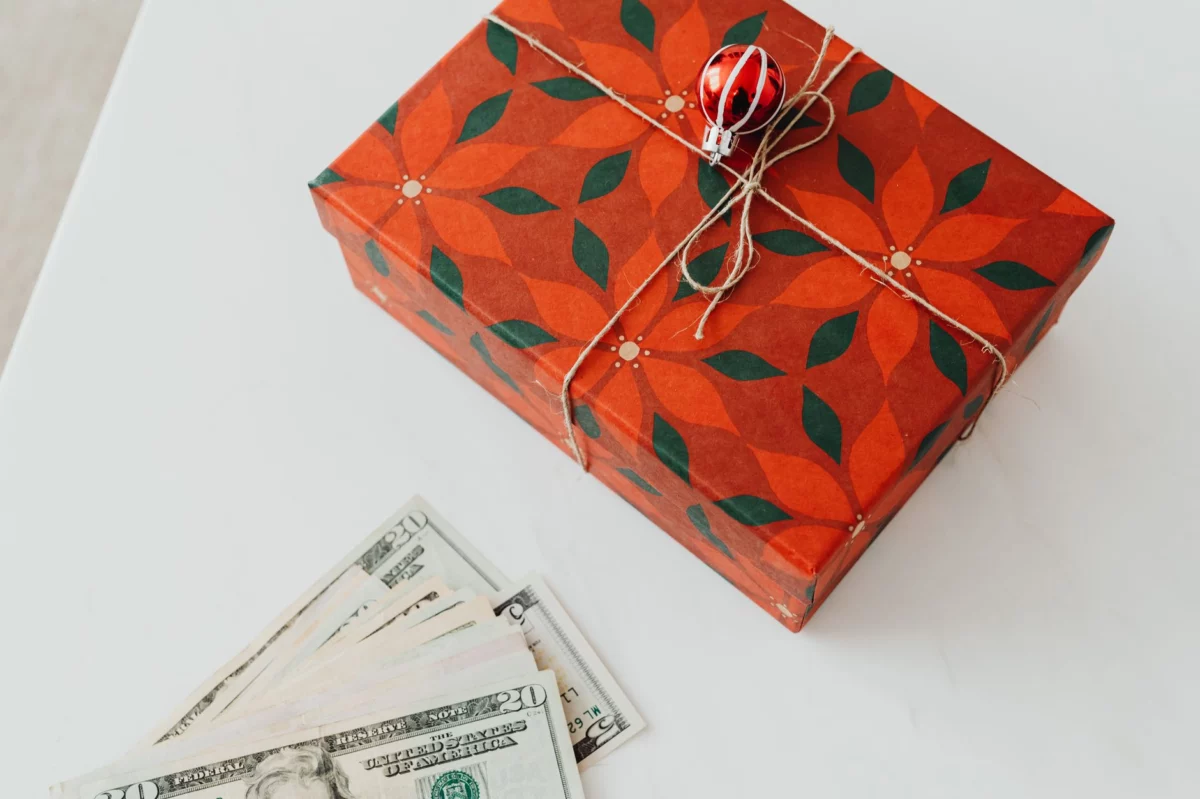
The best gifts under $25 are not the cheapest-looking items; they are the ones that feel chosen with a specific person in mind. A smart budget gift solves a small problem, supports a hobby, or adds comfort to a routine, which is why the same price point can work for Christmas, Hanukkah, a Secret Santa swap, or a stocking stuffer. In a white elephant gift exchange, a well-chosen low-cost item often stands out more than an expensive but generic one.
That is especially true for shoppers trying to cover everyone on their list. The best gifts under a modest budget tend to fall into a few reliable categories: consumables such as coffee and tea, comfort items like candles and socks, and downtime gifts such as a board game or puzzle. These are easy to use immediately, which is one reason they rarely feel like filler.
Why gifts under $25 work better than they sound
Budget gifting has a psychological advantage: people do not judge a present only by its retail price. They judge it by fit, usefulness, and whether it reveals that the giver noticed something real. A journal for a planner, a paperback book for a commuter, or a tea sampler for someone who never skips a warm drink can feel more thoughtful than a decorative object that has nowhere to live.
A good budget gift should be easy to use, easy to enjoy, and hard to re-gift.
This is why the under-$25 category is useful for birthdays, office parties, and last-minute holiday shopping. It also gives you flexibility across different traditions, from a casual birthday exchange to formal seasonal giving. For many shoppers, the goal is not to impress with cost; it is to create a clean match between the item and the recipient’s habits.
How to choose a gift that actually fits the person
Start with what they do every day
The fastest way to choose a strong budget gift is to think about repetition. What does the recipient use constantly? A person who loves home cooking may appreciate a spice blend, a recipe notebook, or a small kitchen upgrade. A teenager may get more use from a bold notebook, a game, or a comforting self-care item than from another décor piece.
Pick a gift with one obvious use
Items with a clear purpose are easier to love. If the person drinks coffee every morning, buy something that makes that ritual better rather than broader. If they prefer tea, choose something that deepens the habit instead of adding clutter. If they love downtime, a puzzle or a compact board game is safer than a novelty gadget. Specific use cases matter because they reduce the chance that your gift will be set aside and forgotten.
Favor repeatable value over one-time novelty
Under $25, repeatable value usually wins. Consumables disappear in a satisfying way, and everyday accessories get used enough to justify the spend. A reusable water bottle, a sturdy notebook, or a bar of quality soap can become part of a daily routine. That is a stronger gift strategy than buying something funny that has only a single moment of appeal.
Best gifts under $25 for different people on your list
The following matrix is a practical way to narrow the field when you are shopping for a mixed group. It works especially well if you are buying for a family exchange, a workplace Secret Santa, or a broad holiday list.
| Recipient | Strong under-$25 gift | Why it works | Best fit |
|---|---|---|---|
| Home cook | Recipe notebook or spice sampler | Supports the rhythm of home cooking without repeating tools they already own | Helpful, not cluttered |
| Coffee lover | Small bag of specialty coffee, tasting set, or mug accessory | Enhances a daily ritual tied to coffee | Practical and consumable |
| Tea drinker | Loose-leaf sampler or brewing accessory | Feels calming and easy to enjoy, especially for tea drinkers | Low risk, high use |
| Teenager | Journal, game, or self-care set | Lets a teenager choose how to use it | Flexible and age-friendly |
| Host or coworker | Candle, chocolate, or soap | Polished, easy to share, and appropriate for mixed settings | Reliable crowd-pleaser |
| Person who has everything | Book, puzzle, or reusable bottle | Useful, compact, and unlikely to duplicate a large purchase | Thoughtful without trying too hard |
The most reliable low-cost gifts are often consumables
One reason the under-$25 category works so well is that consumables feel generous without adding long-term clutter. A bar of chocolate, a candle, a tea sampler, or coffee beans creates an experience rather than another object to store. That matters for the person who already has everything, because the gift does not compete for shelf space. It gets used, enjoyed, and gone.
Consumables are also easier to personalize than many shoppers assume. A coffee drinker may prefer a darker roast, a tea drinker may love a calming blend, and someone who enjoys cozy evenings may appreciate a candle with a scent that matches their home. The trick is to treat low-cost items as curated, not generic.
When a gift card is the smartest option
A well-chosen gift card is not a lazy answer when time is tight or preferences are unusually specific. It can be the right answer if the recipient has a preferred store, a favorite local business, or a hobby with a narrow shopping list. The key is to make the card feel intentional: choose a retailer they already use, pair it with a handwritten note, and avoid leaving the choice so open-ended that it feels impersonal.
If you go this route, it also makes sense to check the issuer’s terms and consumer guidance from the Federal Trade Commission. A gift card is most useful when the balance is easy to redeem and the brand fits the person, not just the budget.
How to make an inexpensive gift feel premium
Presentation carries more weight than people think
Budget gifts often look better when they are grouped with care. Simple wrapping, tissue paper, or a reusable bag can make a small item feel finished. This is one reason stocking stuffers are so effective: the format invites small, well-matched objects rather than one oversized item that strains the budget.
Choose a clean theme
A theme helps a modest gift feel deliberate. For example, a tea sampler plus a journal feels like a quiet evening kit. A coffee gift plus a bookmark creates a reading-and-caffeine bundle. A candle, chocolate, and socks can become a comfort set. Themes make inexpensive gifts feel designed instead of assembled at random.
Write one specific sentence
The fastest way to add emotional value is to explain why you chose the item. One sentence is enough: this reminded me of your morning coffee routine, or I picked this because you always carry a notebook. That small note does what money cannot; it proves the gift is about the recipient rather than the budget.
Common mistakes that make budget gifts feel cheap
- Buying novelty over usefulness. A funny object can be entertaining for a minute, but useful items last longer and feel more considerate.
- Ignoring the recipient’s routines. If they do not drink tea, tea is not thoughtful just because it was on sale.
- Choosing flimsy materials. A low price does not have to mean poor construction.
- Giving clutter without context. Decorative items are riskier than consumables or practical tools.
- Skipping the wrap or note. A basic presentation upgrade can make a huge difference.
Frequently asked questions about gifts under $25
What are the best gifts under $25 for adults?
The strongest choices are practical, small, and easy to use. Adults usually appreciate gifts that fit a habit: coffee or tea items, a good journal, a book, a candle, a puzzle, or socks. The best option depends on whether the person likes comfort, hobby items, or everyday upgrades.
Are gift cards a bad gift if the budget is tight?
No. A gift card is a strong choice when the recipient already shops at that store or has very specific tastes. It becomes a weak choice only when it feels random or requires too much effort to redeem. Pair it with a note so it feels intentional.
What is a good gift for someone who already has everything?
Choose something consumable or something that supports a ritual. Tea, coffee, chocolate, soap, or a candle are all safer than décor. A compact book or a small puzzle also works because it creates an experience rather than a permanent object.
How do I make a budget gift feel thoughtful?
Match the item to one real detail about the person, then add a short note. The combination of fit, packaging, and wording matters more than price. Thoughtfulness is usually visible in the specifics: the roast they like, the scent they prefer, or the kind of downtime they enjoy.
What to watch next in budget gifting
Over the next few seasons, the most successful budget gifts will likely be the ones that feel personal, practical, and less disposable. Expect more interest in reusable goods, local products, and small curated bundles built around a single habit. Digital delivery will also keep rising for people who need a fast fallback, especially when shipping windows shrink.
The deeper question is whether shoppers will keep favoring novelty or move toward gifts that get used up, refilled, or repeated because they fit real life. In 2026, that may be the most important test of a great gift under $25: not how much it costs, but how quickly the recipient starts using it and how clearly it says, I knew this would matter to you.
Frequently Asked Questions
Why can a gift under $25 feel more thoughtful than a more expensive one?
Because recipients usually remember fit, usefulness, and attention to their habits more than the price tag. A budget gift that matches a person’s routine, like coffee, tea, journaling, or cooking, can feel more personal than a costly item they would never choose for themselves. Thoughtfulness is what makes the gift feel selected, not expensive.
What types of gifts are safest when you do not know the recipient well?
The safest choices are practical, broadly appealing items with low chance of mismatch. Think candles, chocolate, tea samplers, notebooks, puzzles, or simple self-care items. These work well because they are easy to use, easy to share, and usually do not depend on knowing someone’s exact size, style, or decor preferences.
How do I avoid buying a budget gift that looks like filler?
Choose one item with a clear purpose and enough quality to feel intentional. Avoid overly gimmicky novelty items or anything that seems decorative without a use. Gifts that support an existing habit, like a recipe notebook for a cook or a brewing accessory for a tea drinker, tend to feel thoughtful rather than generic.
Are under-$25 gifts appropriate for office exchanges and white elephant parties?
Yes, especially when the item is practical, amusing without being too personal, or broadly useful. In office settings and white elephant exchanges, a good under-$25 gift stands out because people actually want to take it home. The best choices are easy to transport, easy to understand, and unlikely to offend anyone.
Should I choose something reusable or consumable for a budget gift?
It depends on the recipient’s habits. Consumables are great when you know someone enjoys coffee, tea, snacks, or scented products because they get used up cleanly. Reusable items work better when they fit into a daily routine, like a notebook, mug accessory, or water bottle. Both can be strong if they solve a real need.