
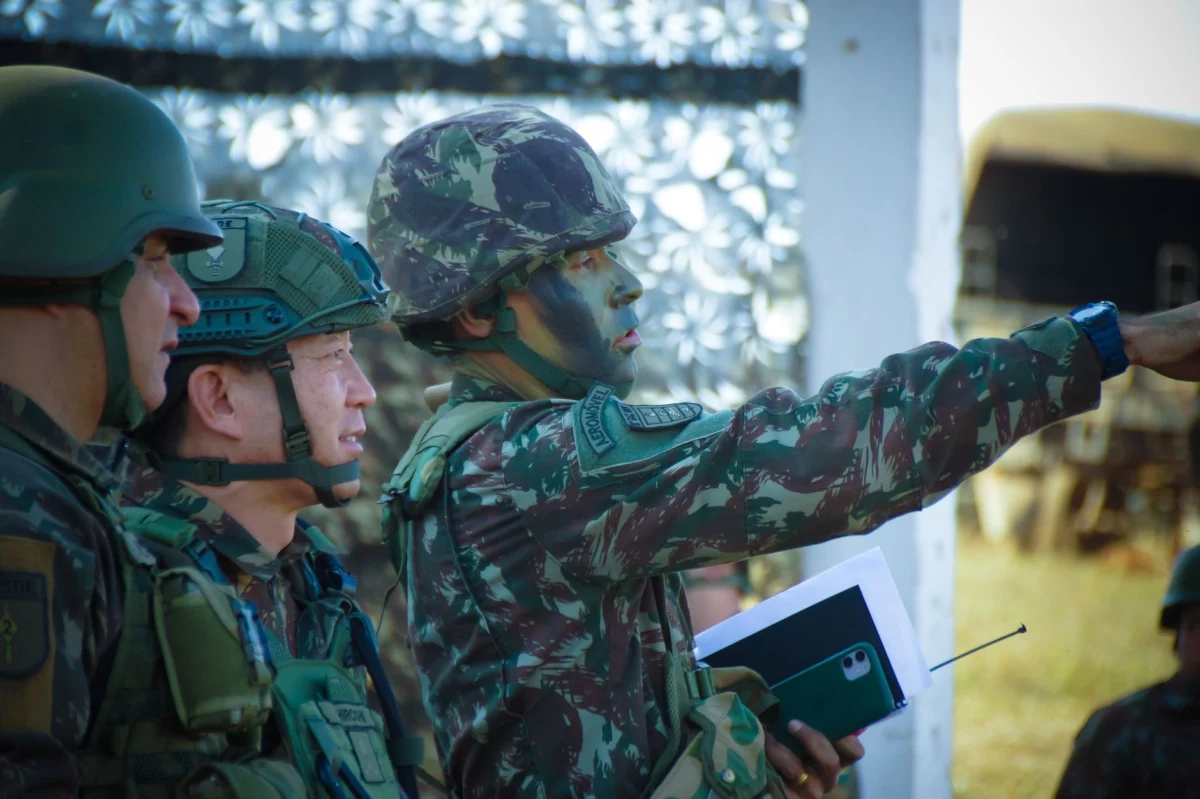
The reported ban on secret weight-loss injections in the military is not a culture-war story. It is a readiness story. Drugs such as semaglutide and tirzepatide can help some people with obesity lose meaningful weight, but their common gastrointestinal effects can destabilize training, field exercises, and deployment routines. For a force that depends on predictable performance, that is not a small concern.
Weight-Loss Injections in the Military: Why Secret Use Creates a Readiness Risk
What the headline is really about
The controversy around so-called fat jabs is not simply whether a soldier can lose weight faster with a prescription pen than with diet and exercise. It is whether the chain of command can trust a service member to disclose medication that may affect stamina, hydration, bowel function, and availability for duty. In a system built around standards, secrecy is the problem multiplier.
That is why the issue lands squarely in the middle of military fitness policy and occupational medicine. A treatment that may be appropriate in civilian life can still be problematic in a barracks, on a range, or in the middle of a field training cycle. The British military context matters here, especially across the British Army, the Royal Navy, and the Royal Air Force, where medical fitness and operational availability are tightly linked.
Why these drugs attract interest in the first place
The popularity of GLP-1 drugs is easy to understand. The class, known as glucagon-like peptide-1 receptor agonists, works partly by suppressing appetite and slowing gastric emptying. For people whose body mass index has moved into unhealthy territory, that can be clinically useful. The best-known brand names, Ozempic and Mounjaro, have become shorthand for a broader shift in public attitudes toward medical weight management.
For some service members, the appeal is obvious. Military life rewards mobility, endurance, and compliance with strict physical standards. If a recruit or serving soldier struggles with weight, a prescription treatment can appear to offer a faster route back to the pass mark than an extended cycle of diet, exercise, and repeated failures. In civilian settings, that may be reasonable. In the armed forces, it becomes a governance issue.
Why the military is a different environment
Weight loss in civilian life usually happens in a setting where a person can step out of a meeting, rest at home, or adjust a schedule. In military training, those options are limited. Soldiers cannot always choose when to hydrate, when to eat, or when to recover. They may be carrying heavy kit, sleeping poorly, and operating under heat or stress. That makes medication side effects more consequential than they would be for a desk worker.
It also explains why the reported concern is not about morality but about control. Once a drug enters the body, it enters the operational environment. Commanders do not need a moral argument; they need a risk assessment.
The operational problem: side effects are not theoretical
Product information and clinical experience consistently note common adverse effects such as nausea, vomiting, constipation, and diarrhoea. Those are routine gastrointestinal issues in the general population, but they are uniquely disruptive in a military context because they affect hydration, concentration, and movement. A soldier dealing with diarrhoea or constipation is not merely uncomfortable; the soldier may become unable to train safely.
The risk compounds when side effects interact with field realities. Hard training already increases fluid loss and energy demand. Add reduced appetite, unsettled stomach, and the possibility of dehydration, and the margin for error shrinks quickly. In the civilian world, that might mean a missed workout. In the military, it can mean heat illness, degraded decision-making, or a training accident.
A drug that improves body composition on paper can still be a liability if it turns a field exercise into a bathroom queue.
Why timing matters more than the drug itself
The biggest risk is often not the existence of treatment but the timing of treatment. GLP-1 drugs are frequently started at low doses and increased gradually. That titration period is exactly when gastrointestinal effects may be most noticeable. Starting or adjusting dose during a demanding exercise block, selection course, or deployment window is poor practice. A military system that allows these medicines should treat timing as an operational variable, not an afterthought.
That point is central to the reported ban on taking the injections secretly. If commanders do not know who is taking what, they cannot schedule around side effects, assess medical risk, or decide whether a soldier should be temporarily excused from high-risk activity. Secrecy strips away the only safeguard that makes the treatment usable in a disciplined environment.
Secrecy is the bigger breach
The issue is not simply that a service member may use a prescription drug. The issue is non-disclosure. In military terms, that is not personal privacy; it is failure to report a factor that can change fitness for duty. The same principle applies across many forms of occupational medicine: if a treatment can impair performance or safety, the organization has a legitimate interest in knowing about it.
That is especially true for drugs that are not stimulant-like or immediately obvious. A soldier can look normal on parade and still be at risk of sudden gastrointestinal distress during a long drive, a physical test, or a night operation. The hidden nature of the medication is what makes the command problem harder than with more visible injuries or illnesses.
Why commanders dislike hidden medication
- They cannot assess fitness for duty accurately.
- They cannot separate drug effects from heat illness, infection, or stress.
- They cannot decide whether to modify the training load.
- They cannot manage evacuation, rest, or hydration planning properly.
- They inherit liability when an avoidable medical issue becomes an incident.
In that sense, the warning from top brass is less about banning modern medicine and more about preserving the basic logic of command. A chain of command cannot function if service members privately adjust their medical profile while expecting the unit to absorb the consequences.
What a rational policy should look like
The best policy is not blanket enthusiasm and not blanket prohibition. It is structured disclosure. A sensible military approach would allow prescription weight-loss treatment only when the service member informs the relevant medical authority, receives a documented risk review, and agrees to training adjustments where needed.
That framework is consistent with how modern militaries already handle other readiness-sensitive conditions. If a service member has asthma, a knee injury, or a sleep disorder, the system does not pretend the issue does not exist. It documents it, manages it, and sets limits. Weight-loss injections should be treated the same way.
Best-practice controls
- Mandatory disclosure to military medical staff before starting treatment.
- Training-phase screening so initiation does not coincide with intense field work.
- Hydration and symptom monitoring during dose escalation.
- Temporary duty adjustments if gastrointestinal side effects appear.
- Clear return-to-full-training criteria after symptoms settle.
Done properly, that would protect both the individual and the unit. Done badly, it invites silent side effects, broken trust, and the false belief that a slimmer body automatically equals a fitter soldier.
The benefits are real, but so are the trade-offs
It would be intellectually lazy to dismiss GLP-1 therapy as a cosmetic fad. For some service members, clinically supervised weight loss may improve mobility, reduce joint strain, and support a healthier physical fitness profile. The military also has an interest in keeping capable personnel in service rather than losing them to preventable weight-related problems.
But a strong case for medical weight management is not a case for covert use. In the military, benefits must be weighed against immediate duty effects, not just against long-term health. A treatment that lowers weight over months may still interrupt a week of training. Readiness is measured in this week, not in the abstract.
| Factor | Potential benefit | Military risk | Policy response |
|---|---|---|---|
| Weight reduction | Improved body composition and mobility | False confidence if fitness lags behind | Pair with supervised conditioning |
| Appetite suppression | Helps calorie control | Low intake during hard training | Monitor nutrition and hydration |
| GI side effects | Usually temporary | Training disruption and dehydration | Disclose, adjust, or pause activity |
| Privacy | Reduces stigma | Secret use undermines safety | Confidential medical reporting |
What the wider debate says about modern armed forces
This story is also about changing standards. Armed forces have long dealt with the tension between body composition and performance. Today that tension is sharper because obesity is more common, medical technology is more advanced, and public expectations around health are changing. A force that once relied mainly on diet orders and drills now has to manage prescription appetite control.
That shift touches public health, recruitment, and fairness. If a recruit with a high body mass index can be brought into standard with medical help, that may improve recruitment numbers. But if access is uneven, or if people start the drugs without disclosure, the result is a two-tier system: visible compliance for some, hidden workarounds for others.
The debate also has a technological edge. As the use of GLP-1 medicines becomes more normal, military institutions will need rules that are less reactive and more clinical. That means not treating every new drug as a scandal, but not treating every new drug as harmless either.
FAQ
Can soldiers take Ozempic during training?
Potentially, but only with medical oversight and disclosure. The issue is not the brand name itself; it is whether the soldier can safely tolerate the medication during the training phase. If gastrointestinal side effects appear, the training plan may need to change.
Why are troops being warned about secret fat jabs?
Because hidden use blocks medical and command oversight. If a service member develops nausea, vomiting, diarrhoea, or dehydration, the unit needs to know the medication is a possible cause. Secret use makes that impossible.
Are GLP-1 drugs bad for military performance?
Not inherently. In some cases, they may improve long-term readiness by helping a service member lose excess weight. The problem is short-term tolerance. During initiation and dose escalation, side effects can interfere with training and duty.
What should service members do before starting treatment?
They should tell the relevant military medical authority, ask how the drug fits with current training requirements, and avoid starting or changing dose before major exercises or deployment. The safest path is planned, documented, and visible to clinicians.
The next test is not the drug; it is the system
The most important insight is that weight-loss injections in the military are not mainly a question of body image or discipline. They are a test of whether modern armed forces can manage medical treatment without sacrificing operational honesty. The drug may help the individual, but only a transparent policy can protect the unit.
What to watch next is whether militaries create formal pathways for disclosure and temporary adjustment, or whether they keep relying on warnings that drive use underground. If covert use continues, the problem will grow quietly until it surfaces as missed training, medical incidents, or inconsistent fitness outcomes. If the system adapts, the debate may shift from prohibition to controlled integration.
The unanswered question is a hard one: can a force that still prizes stoicism also build a medical culture where service members admit they need help before the help becomes a hazard? The answer will decide whether these drugs become a managed tool of readiness or another hidden liability in uniform.
Frequently Asked Questions
Why is secret use of weight-loss injections treated as a readiness problem rather than a private health choice?
Because military service is built around predictable availability, performance, and medical oversight. Even if the drug is prescribed appropriately, hidden use prevents commanders and medics from assessing risks such as nausea, dehydration, or missed duties. In a training or deployment setting, that lack of disclosure can affect safety for the individual and the unit.
If these injections help with obesity, why wouldn’t the military simply welcome them as a fitness aid?
They can help some people lose weight, but military fitness is not just about body mass. Service members must also tolerate heat, carry kit, follow strict routines, and remain deployable. Common side effects like vomiting, diarrhoea, and reduced appetite can interfere with all of that, so the issue is operational stability, not whether weight loss is desirable.
Are the main risks from the drugs themselves, or from combining them with military training conditions?
Both matter, but the training environment amplifies the problem. GLP-1 medicines may cause gastrointestinal symptoms on their own, yet those symptoms become more serious during hard exercise, limited hydration, poor sleep, or field conditions. What might be manageable at home can become a risk for heat illness, poor judgment, or failed training in uniform.
Could a service member use one of these injections safely if the side effects are mild or temporary?
Possibly, but only if it is properly disclosed and medically monitored. The problem is that side effects can appear unpredictably, especially early in treatment or after dose changes. Even mild nausea or stomach upset can affect weapon handling, endurance, or concentration. The military concern is not just severity; it is whether readiness can be reliably maintained.
Does this mean every weight-loss injection is automatically banned in the military?
Not necessarily. The article’s point is that secret or undeclared use creates the readiness risk. A prescribed treatment may be considered differently if it is reported through the proper medical chain and assessed against duty requirements. The key issue is whether the service member can remain medically fit and operationally available while taking it.