
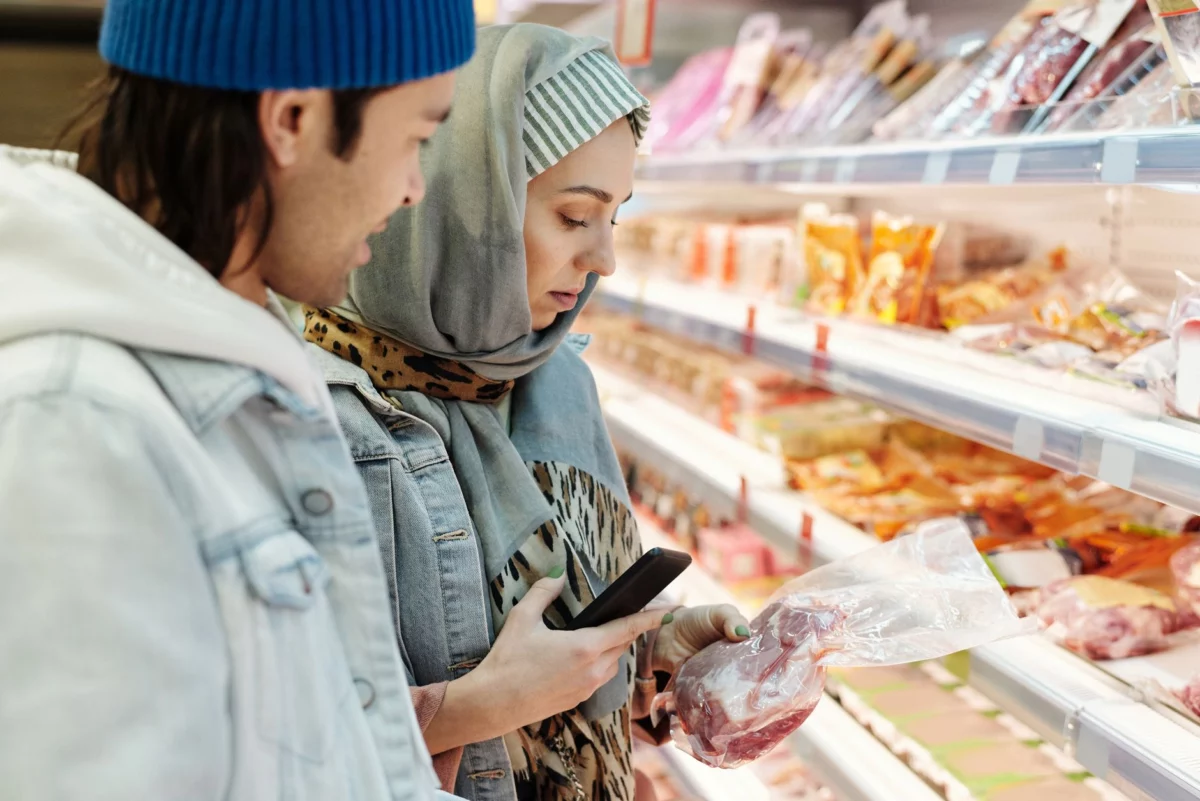
Food-waste apps have moved from niche sustainability tools to practical savings platforms. For shoppers, the appeal is direct: pay less, rescue edible stock, and avoid full-price waste that would otherwise be binned. The best food waste apps sit at that intersection, and the recent wave of supermarket partnerships shows the model is becoming routine rather than experimental.
That shift matters because the problem sits at the junction of food waste, household budgets, and retail logistics. In the language of the circular economy, surplus food should be rerouted before it becomes waste. In the language of the supply chain, it is a forecasting and distribution failure. In the language of everyday shopping, it is cheaper dinner.
But the apps are not interchangeable. Some work like digital clearance shelves. Some rely on neighbour-to-neighbour sharing. Some are curated marketplaces for near-expiry stock. The practical question is not whether food is saved, but which model gives real savings, predictable quality, and enough scale to matter.
Why food-waste apps exist at all
Retail food waste is expensive long before food reaches a bin. A supermarket has already paid for procurement, labour, refrigeration, shelf space, and often delivery. Once stock approaches its date, the choice is usually between markdowns, donation, and disposal. Apps reduce the cost of moving stock by making the discount visible to a wider audience. That is why the model sits comfortably beside retail markdowns, but does not replace them.
These platforms also reflect changes in consumer behaviour. Shoppers have become more willing to accept variable baskets if the price is low enough. They also tolerate more friction than traditional e-commerce if the promise is sustainability plus savings. The apps work because they compress two incentives into one transaction: lower waste and lower spend.
At the policy level, they fit sustainable consumption and the broader environmentalism agenda, but they are still market tools. They depend on app adoption, local density, and constant inventory. In other words, they are strong at moving small, time-sensitive surpluses and weak at fixing upstream inefficiency.
How the three food-waste apps differ
The phrase ‘food-waste app’ makes the category sound uniform. It is not. The three most visible models serve different use cases, and that difference matters when you are trying to save money rather than merely signal virtue.
| App | Core model | Best for | Main limitation |
|---|---|---|---|
| Too Good To Go | Surprise bags of unsold food from shops, bakeries, cafés, and some supermarkets | Lowest prices and fast pickup windows | Contents are not guaranteed |
| OLIO | Local sharing of surplus food and other items between neighbours and businesses | Community sharing and zero-cost rescue | Depends on nearby users and manual coordination |
| Karma | Discounted near-expiry meals and groceries from participating venues | More predictable selection | Coverage varies by city and partner density |
Too Good To Go: the surplus bag model
Too Good To Go is the clearest example of a mobile app turning inefficiency into a transaction. The user pays a reduced price for a surprise bag, usually collected at a fixed time. For retailers, that is simpler than item-by-item listing and often easier than letting stock expire. For consumers, it is a gamble with a clear upside. The trade-off is obvious: you save money, but you do not control the exact contents.
This model works best when the user is flexible. Bakers, cafés, delis, and some grocery stores generate mixed leftovers that are annoying to sort individually but attractive when bundled. That is why the app often performs well in urban areas where pickup density is high. It is not a full grocery strategy. It is a tactical way to buy dinner, snacks, or frozen-stock candidates at a discount.
The real innovation is not the discount. It is the routing of perishable inventory before it becomes a disposal problem.
OLIO: sharing rather than selling
OLIO sits closer to food rescue than classic retail. It links households, volunteers, and businesses that want to pass on edible food instead of binning it. That makes the economics different. You are not always buying a bargain; sometimes you are collecting a free surplus item or sharing your own excess. The model relies on trust, local participation, and speed.
OLIO is useful when the issue is not a lack of stock, but a mismatch between supply and demand inside a neighbourhood. A household with spare bread or a café with end-of-day pastries can move those items quickly. The downside is operational friction. Photos need to be uploaded. Pickups need to be arranged. Availability is uneven. In exchange, the user gets a more community-based system than a standard clearance app.
Karma: the curated discount channel
Karma has positioned itself as a more curated route to discounted meals and groceries. Where available, it appeals to shoppers who want less uncertainty than a surprise bag but more savings than a standard supermarket markdown. In practical terms, it sits between the rigidity of a fixed clearance shelf and the randomness of a bundle app.
That middle position is useful, but it comes with a structural limit: scale depends on local partnerships. Without enough participating retailers, the app becomes a useful niche rather than a habit-forming service. That is the core issue for every food-waste platform. They are only as strong as the network density behind them.
What the savings really look like
The headline promise of these apps is easy to understand: save money on food. The less obvious question is whether the savings survive the rest of your shopping behaviour. A cheap surprise bag is useful only if it replaces a full-price purchase you were already going to make. If it leads to extra purchases, transport costs, or food that does not fit your meal plan, the benefit shrinks quickly.
This is where smart users outperform casual bargain hunters. The best results come when the app is treated as a source of planned flexibility, not impulse shopping. A discounted bakery bag can cover breakfast for two days. A mixed grocer bag can supply fruit, salad, or freezer stock. But a random basket of perishables with no plan is just a faster route to waste.
When the savings are real
- You can collect locally. Short pickup windows only work if the store is on your route.
- You can use the food quickly. Surplus items are most valuable when they fit into the next 24 to 72 hours.
- You are flexible on contents. Surprise bags reward improvisation.
- You already cook at home. The savings are strongest when you can turn mixed ingredients into meals.
When the savings disappear
- You overbuy because it looks cheap. That is a classic consumer behaviour trap.
- You travel far for a small basket. Transport time and fuel can erase the discount.
- You cannot use the items before they spoil. A bargain with no shelf-life plan is not a bargain.
- You expect supermarket-level choice. These apps are built around surplus, not precision shopping.
Why supermarkets and brands are embracing the model
For retailers, food-waste apps solve a practical problem. Disposing of unsold stock is not free, and neither is the labour needed to manage markdowns. A digital surplus channel can protect margin, lower disposal pressure, and produce a visible sustainability story. That is why a chain like Marks & Spencer partnering with a food-waste app matters: it shows the model is moving into mainstream retail rather than staying in the ethical-niche corner.
There is also a branding argument. Consumers increasingly expect firms to address waste, packaging, and emissions. The carbon footprint of food is not just about production; it is also about food that is grown, transported, chilled, and then discarded. Retailers that can redirect surplus via apps can claim a cleaner operating story without pretending the problem is solved.
Still, there is a limit. A surplus platform should not be confused with a comprehensive climate strategy. It helps move edible stock, but it does not fix overproduction, poor forecasting, or structural overbuying. In that sense, the model is a useful tool inside the wider politics of environmentalism, not a substitute for them.
Safety, access, and the limits users should keep in mind
These apps are practical, but they are not risk-free. The first issue is food safety. Users still need to understand the difference between use-by and best-before dates, store items correctly, and reject anything that looks compromised. A discount does not change basic hygiene. If an item has been mishandled, the app is irrelevant.
The second issue is access. Apps assume a smartphone, a payment method, and enough spare time to collect food inside a narrow window. That creates a real digital divide. The people most able to use the apps are often already comfortable with app-based commerce, urban transport, and flexible schedules. That means the savings may not reach the households under the most pressure.
The third issue is scale. A food-waste app can move surplus from one business to one consumer. It does not automatically solve the structural problem of how much food the system produces in the first place. On a systems level, it is closer to a temporary pressure valve than a redesign of the whole machine.
How to use food-waste apps intelligently
- Choose one app for one job. Use surprise-bag apps for flexible meals and sharing apps for specific local rescues.
- Check pickup timing first. A discount is only useful if the collection slot fits your day.
- Plan meals around the app, not the reverse. The food should fit your schedule, freezer space, and appetite.
- Prioritise items you can transform. Bread, vegetables, bakery goods, and meal components are easier to adapt than fully specific recipes.
- Watch portion creep. Cheap food can quietly become extra food. That is how waste reappears.
- Compare app value against markdown shelves. Sometimes the in-store yellow sticker is better than an app pickup.
Frequently asked questions
Are food-waste apps worth it?
Yes, if you have local pickup options and flexible meal plans. They are most valuable when they replace a purchase you were already going to make, not when they create extra buying.
Which app is best for groceries?
There is no universal winner. Too Good To Go is usually strongest for surprise surplus. OLIO is better for community sharing. Karma is useful where its partner network is strong and you want more predictable purchases.
Do food-waste apps actually reduce waste?
They do reduce some waste by redirecting edible surplus, especially in retail and hospitality. But their impact is limited by local participation, pickup discipline, and the amount of surplus the system creates in the first place.
Are these apps better than supermarket markdowns?
Not always. Markdown shelves are immediate and visible. Apps can be cheaper or more varied, but they also add time windows, uncertainty, and travel. The best option depends on your route, your cooking habits, and what is actually on offer.
What to watch next: when surplus food becomes infrastructure
The next phase will be less about novelty and more about integration. If food-waste apps connect more directly to retailer inventory systems, they can shift from opportunistic clearance to routine demand management. That would make them more efficient, but also less romantic. The app would stop feeling like a clever hack and start behaving like logistics software.
That is where the real question sits. As forecast tools, dynamic pricing, and better stock tracking mature, will retailers use these platforms to prevent waste earlier, or will they simply use them to monetise the waste that remains? The answer will determine whether the category stays a consumer bargain or becomes a standard layer of the food system. My view is blunt: the winners will be the platforms that reduce friction until surplus food feels normal, not exceptional. The rest will remain useful, but peripheral.
Frequently Asked Questions
Are food-waste apps actually cheaper than regular supermarket markdowns?
Often, yes, but not always in every category. Too Good To Go can beat standard markdowns because you pay for a bundled surprise bag rather than individual items. Karma may be closer to typical reduced-price shopping. The biggest savings usually come when you value variety and convenience less than the absolute lowest price.
How do I know whether food from these apps is still safe to eat?
These apps generally rely on the same food-safety rules as normal retail. The key difference is that the items are close to date, not automatically unsafe. The practical check is whether the food is still within its use-by or best-before guidance, properly sealed, and has been stored correctly before pickup or collection.
Which app is best if I want predictable meals instead of random leftovers?
Karma is usually the better fit if you want more predictability, because it focuses on discounted near-expiry items from participating venues. Too Good To Go is better for very low prices, but the contents are a surprise. OLIO is least predictable of all because it depends on what neighbours or businesses happen to offer.
Do food-waste apps work well if I don’t live in a big city?
They can work outside major cities, but coverage is often thinner and inventory less consistent. These apps depend on local density: enough cafés, shops, and users to make collection worthwhile. In smaller towns, you may see fewer offers, longer travel times, and less variety, especially for same-day pickup.
Can I use food-waste apps as a full grocery strategy?
Not reliably. They are strongest as a supplement to normal shopping, not a complete replacement. Availability changes daily, baskets are inconsistent, and pickup windows are short. If you are flexible, they can meaningfully cut costs. If you need precise ingredients for planned meals, traditional grocery shopping is still necessary.