
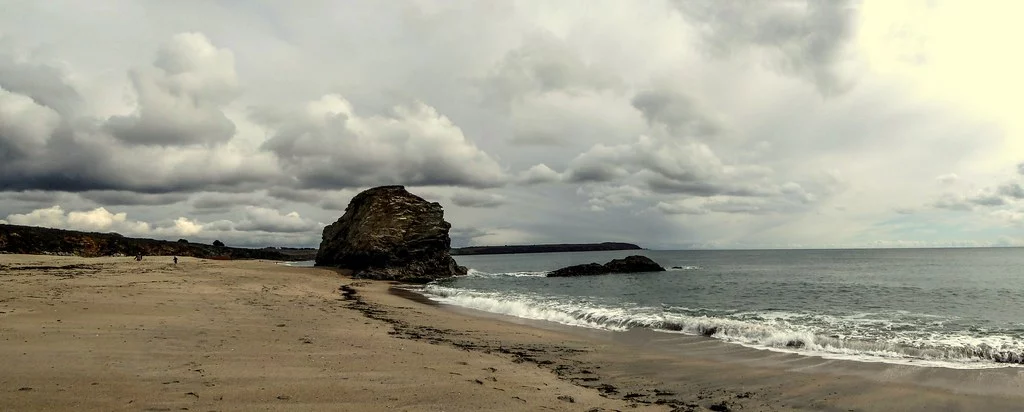
Rock Cornwall luxury beach village is more than a flattering nickname. It is a case study in how a place becomes a brand, how weather can amplify demand without creating it, and how high-end coastal tourism reshapes a small community. With the UK forecast to reach 20C this weekend, Rock is once again in the spotlight, not because it suddenly changed, but because its strengths are easiest to see when the sky is clear: a broad sandy beach, sheltered water on the Camel Estuary, a short hop to Padstow, and a hospitality scene that has steadily moved upmarket.
The comparison to Saint-Tropez is not literal. Rock in Cornwall does not have the Mediterranean climate, the density of nightlife, or the global profile of the French Riviera. What it does have is scarcity, discretion, and a polished coastal setting that attracts affluent visitors who value space over spectacle. That combination is powerful. It also explains why the arrival of a new hotel matters more than a single weather forecast: it signals confidence that demand for this corner of England is no longer purely seasonal or accidental.
Why the Saint-Tropez comparison sticks
Rock, officially Rock, Cornwall, sits on the sheltered side of the Camel Estuary, where the calm water and soft shoreline create a different rhythm from the rawer Atlantic edge of the county. The setting helps explain the town’s appeal. A place on an estuary can look and feel exclusive without needing the infrastructure of a large resort. The result is a lower-key form of luxury, one that resembles the social logic of Saint-Tropez more than its climate.
That logic depends on access and separation at the same time. Rock is easy enough to reach, but not so easy that it becomes anonymous. The ferry to Padstow turns the crossing itself into part of the experience. The water route matters because it slows the visitor down, even for a few minutes. In elite coastal places, this is not a trivial detail; it is part of the product.
The label matters because it sells scarcity: Rock is not trying to be busy; it is trying to be selective.
That is why the comparison has staying power. Rock is not a classic seaside resort built for mass throughput. It is a curated coastal destination where boating, dining, and a broad beach carry more prestige than amusement arcades or package-tour volume. The village’s image is built on restraint.
Geography does the heavy lifting
The sheltered waters of the River Camel and the wider estuary reduce the harshness that often limits family beach days and sailing trips elsewhere in England. That makes Rock more usable across the shoulder months, not just in peak summer. The same geography also supports a sailing culture, and sailing has long been one of the key status markers in British resort towns. In Rock, boats are not decoration; they are part of the social order.
The local economy rewards restraint
Rock’s hospitality offer is more likely to include restaurants, boutique stays, and premium rentals than the kind of dense entertainment belt associated with volume tourism. That aligns with the broader economics of tourism: a destination can raise its average spend per visitor even if the total number of visitors remains moderate. This is the logic of upmarket coastal places. It is also why the area can tolerate, and even encourage, a sense of exclusivity.
| Factor | What it means in practice | Visitor effect |
|---|---|---|
| Estuary setting | Calmer water, stronger boating appeal, softer beach conditions | More attractive for sailing, paddling, and relaxed coastal days |
| Limited scale | Few signs of mass resort development | Feels exclusive, but can be crowded at peak times |
| Premium dining | Higher-spend visitors are targeted | Greater price sensitivity, especially for casual day-trippers |
| Ferry connection | Travel becomes part of the experience | Reinforces the destination’s identity and slows flow |
What the new hotel actually signals
The new hotel is not just another amenity. In a place like Rock, a new hotel is an indicator that investors believe the market can support more premium capacity. That matters because supply is what turns a seasonal destination into a more resilient one. If demand in late spring, early autumn, and even winter can be captured with high-quality rooms, the village becomes less dependent on a handful of hot weekends. That is good business, but it also changes the character of the place.
One reason this matters is that coastal demand in the UK is increasingly split between two groups: people looking for short breaks and people buying extended stays through private rentals or holiday cottages. The second group often distorts local housing markets, because homes that might otherwise serve residents are converted into seasonal assets. That pattern is familiar across many British coasts, and the pressure is especially visible in places with strong brand value and limited stock.
Upside: quality, employment, and shoulder seasons
A better hotel can extend the tourism season, support year-round jobs, and improve the standard of accommodation for visitors who want to stay longer than a day. It can also improve the destination’s reputation among higher-spend travellers who compare notes across the UK and beyond. In that sense, the hotel is a vote for maturity: a sign that Rock is not only a day-trip image, but a place that can sustain a more complete visitor economy.
Downside: pressure, prices, and planning friction
The downsides are not subtle. More premium development tends to lift local prices, intensify parking pressure, and increase planning sensitivity. It can also harden the divide between residents and visitors, especially when local services are sized for a small population but asked to absorb larger, wealthier crowds at weekends. This is where the romance of places like Rock meets the reality of service capacity. Prestige is valuable, but it is also costly to maintain.
Coastal planners and communities know this pattern well. Once a place starts to be marketed as special, it becomes harder to argue for ordinary uses such as affordable housing, mixed retail, or infrastructure expansion. The tension is not unique to Cornwall, but it is especially acute in a destination that already carries the weight of a national brand.
Why the 20C weekend matters, and why it does not
A warm weekend can transform a place like Rock from a quiet coastal village into a near-perfect day-trip magnet. People book tables, walk the sand, check the tide, and cross on the ferry in numbers that would not be seen in a wetter spell. That is why late-season warmth matters to local businesses. It can rescue a trading week, especially when the weather is good enough to make the beach look like a different place altogether.
But weather is only the trigger. The underlying demand is created by geography, image, and habit. A 20C forecast does not invent the appeal of Rock; it simply reveals it at full strength. The same is true for the broader market around Cornwall: heat boosts interest, but it does not create the premium positioning that already exists. If anything, warm spells expose the limitations of a place by putting it under pressure. Parking fills, services strain, and the difference between luxury marketing and practical infrastructure becomes obvious.
For official conditions before travelling, the safest approach is to check the latest forecast on the Met Office site and review tides before planning a beach day. That advice is especially relevant in estuary settings, where access, sand width, and the usability of the shore can change fast.
What to do in Rock Cornwall if you want the place, not just the label
If visitors treat Rock as a prestige postcode, they miss why it works. The destination is strongest when it is experienced slowly and on its own terms. For a site publishing travel advice, this is where internal links should do real work: connect this article to a Cornwall itinerary, a Padstow dining guide, a tide-times page, and a local parking or ferry guide. Those pages answer the practical questions that determine whether a day in Rock feels effortless or frustrating.
Best fit for
- Visitors who want a calmer alternative to a conventional seaside resort
- Travellers interested in sailing, estuary views, and quality dining
- Families willing to plan around tides, ferries, and peak-day congestion
- People who prefer a polished, low-profile holiday base rather than loud nightlife
Less suitable for
- Travellers who expect a large entertainment strip
- Anyone seeking low-cost beach infrastructure at scale
- Visitors who dislike parking pressure or premium pricing
There is also a wider landscape to appreciate. Cornwall’s coast is not uniform; it ranges from exposed surf beaches to sheltered inlets and heritage-driven villages shaped by National Trust land and public access routes. That diversity matters because it explains why one small village can become a luxury symbol while another remains mainly a local beach. Rock’s identity is not accidental. It is the product of coastline, access, and scarcity working together.
FAQ: Rock, Cornwall and the luxury coast question
Is Rock, Cornwall expensive?
Yes, it is generally positioned above the average British seaside destination. The cost reflects location, demand, and the type of hospitality on offer. A high-profile place with limited supply almost always ends up with premium pricing.
Why is Rock called the Saint Tropez of the UK?
Because it combines wealth, exclusivity, leisure culture, and a polished waterfront identity in a way that reminds observers of Saint-Tropez. The comparison is more about social atmosphere than climate.
What is the main appeal of Rock Cornwall?
The main appeal is the mix of a sandy beach, the Camel Estuary, boating culture, and easy access to Padstow. That blend makes it feel both relaxed and upscale.
Does a new hotel change the village?
Yes, but not instantly. A new hotel can extend the season and raise the standard of accommodation, yet it can also intensify pressure on housing, parking, and local services. The balance depends on planning and scale.
What Rock’s popularity says about Britain’s coastal future
The most important insight is that Rock’s rise is not really about one weekend of warm weather. It is about how British coastal demand is being re-sorted into places that can offer privacy, amenity, and status at the same time. In that sense, Rock is a useful signal for the wider coast: the destinations that win are not always the biggest, but the ones that can convert scenery into a credible experience and keep it coherent under pressure.
What to watch next is straightforward. If the new hotel succeeds, it will encourage more premium investment. If it attracts too much traffic, it will sharpen the tension between exclusivity and accessibility. If climate patterns continue to produce longer shoulder seasons, Rock could become less dependent on short bursts of summer heat. But the unanswered question remains the same: can a small place keep its character once the market has decided that character is valuable? That is the real test for every Cornish luxury village, and Rock is simply the clearest example.
Frequently Asked Questions
Why is Rock compared to Saint-Tropez if the climate is so different?
The comparison is less about weather and more about social function. Like Saint-Tropez, Rock combines scarcity, discretion, and a polished waterfront setting that appeals to affluent visitors. It offers status through restraint rather than spectacle, so the nickname sticks even without Mediterranean temperatures or a major nightlife scene.
Does the new hotel mean Rock is becoming a year-round destination?
Not necessarily year-round in the full resort sense, but it does suggest stronger confidence in demand beyond peak summer. A new hotel in a place like Rock signals that investors see a more resilient market, where shoulder-season travel, premium dining, and short luxury breaks can support business beyond a few hot weeks.
Why does the ferry to Padstow matter so much to Rock’s image?
The ferry is part of the experience, not just transport. It creates a pause that makes arrival feel more deliberate and exclusive, which suits a high-end destination. In places like Rock, friction is useful: it slows the visitor down, reinforces separation, and helps turn access itself into a luxury feature.
Is Rock a luxury destination because it has more things to do than other Cornish beaches?
Not really. Its luxury appeal comes from having fewer, more selective offerings rather than a long list of attractions. The village leans on calm water, sailing, quality food, and premium stays. That limited but polished mix attracts visitors who value space, privacy, and a quieter coastal rhythm over mass entertainment.
Can Rock still feel crowded if it is described as exclusive?
Yes. Exclusivity and crowding are not opposites. Rock can feel selective in brand terms while still becoming busy at peak times, especially in good weather. The difference is that it is not built for mass throughput. Its exclusivity comes from the type of visitor it attracts and the way the place presents itself.