
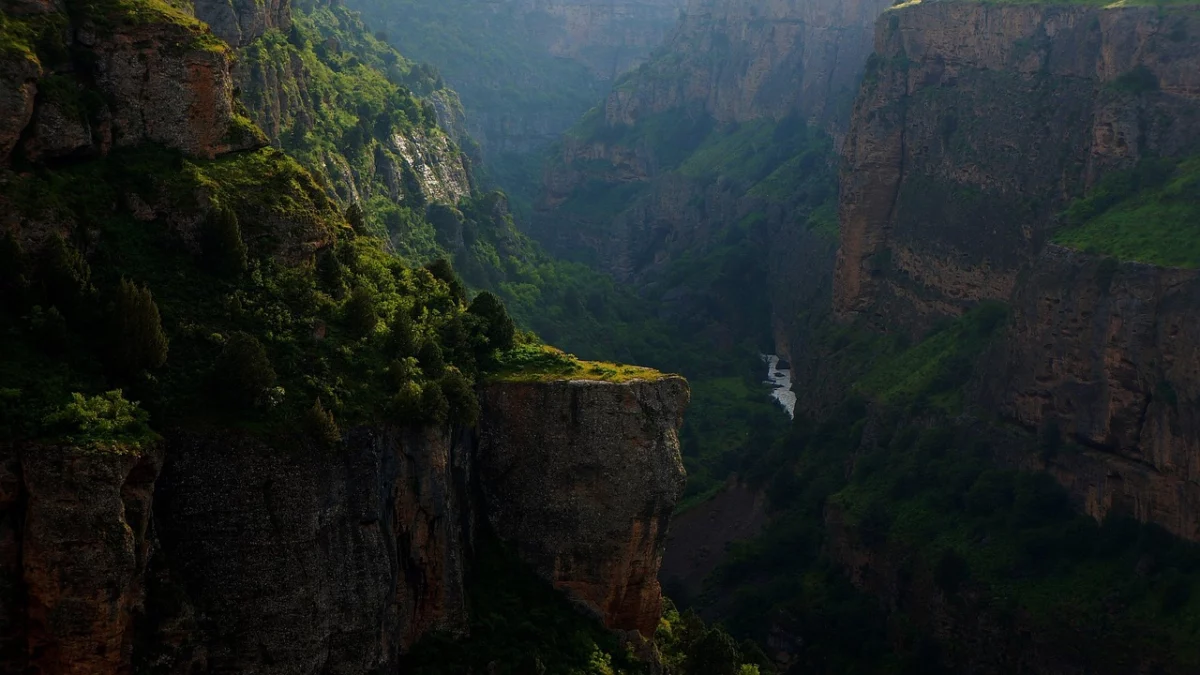
Mountain trail running safety is often discussed only after a tragedy forces the issue into public view. In this case, the reported death of a 30-year-old trail runner on Norway’s exposed Romsdalseggen route is a reminder that scenic mountain terrain is never merely scenic. It is a dynamic hazard environment shaped by mountain geography, weather, fatigue, and judgment. The route sits near Åndalsnes in Romsdal, Møre og Romsdal, Norway, a region where a single mistake can become irreversible once the terrain narrows.
The available reports say she fell several dozen metres while trying to reach the summit. They do not, and should not, be read as a complete technical case study. But they do expose a larger truth: public attention tends to focus on dramatic outcomes while underestimating the structural risk built into exposed alpine routes. A popular path does not become safe because it is popular. In mountain environments, the opposite can be true: popularity can create false confidence, especially when people assume a route is a hike when it is effectively a form of fast-moving trail running over serious ground.
Why this kind of accident matters beyond one route
Romsdalseggen is not an isolated problem. It is an emblem of a broader pattern seen across hiking, mountaineering, and outdoor recreation: a route becomes famous for its beauty, then its difficulty gets flattened into a marketing line, and then visitors arrive with mixed expectations about what the terrain actually demands. In a place like a narrow ridge, the margin between a routine misstep and a fatal fall is small. That margin is shaped by the topography, not by intent.
The most important analytical point is simple: mountain fatalities are rarely caused by one factor alone. They are usually the result of a chain. Route exposure, weather deterioration, reduced traction, panic, distraction, navigation errors, and overconfidence can each be survivable in isolation. Combined, they become lethal. This is why serious discussion of mountain trail running safety cannot stop at equipment checklists. It must address decision quality, route selection, and the psychology of risk.
In exposed mountain terrain, the question is not whether the route is beautiful. The question is whether the consequence of one error has already become too high.
Why ridges punish small mistakes
A ridge compresses risk. The path is often visually obvious, but the penalty for deviation is severe. A slip on wet rock, loose gravel, or uneven ground can turn a minor loss of balance into a long fall. Wind can destabilize movement. Mist can erase depth perception. Rain can strip traction from shoes that would be adequate on dry ground. Even experienced athletes can misread these conditions because speed changes the frame of reference. What looks manageable while standing still can become very different once the body is moving at pace.
This is where weather becomes a decisive variable rather than background noise. In alpine settings, cloud cover, precipitation, and temperature shifts can compress reaction time. If a runner slows because of fatigue or stops to orient themselves, cold exposure becomes more serious. If someone is injured, the risk of hypothermia rises quickly, even in conditions that would not alarm a casual visitor lower down. The terrain itself determines how quickly a mistake becomes an emergency.
The difference between a scenic trail and a technical objective
Not every route that looks like a trail behaves like one. Some mountain paths are essentially technical objectives with public access. They may not require ropes, but they do require the mindset of a climber rather than a park runner. That is why route descriptions must be read critically. Terms like steep, exposed, airy, and scrambling are not decorative. They are warning labels. On a route like Romsdalseggen, ignoring those words is a decision, not an accident.
Trail running is not just faster hiking
The public often treats trail running as a lighter version of hiking, but the risk profile changes when pace increases. A runner has less time to inspect footing, less time to correct balance, and less time to respond to a sudden change in weather or visibility. The heartbeat is higher, decision-making can become narrower, and the urge to keep moving can discourage a proper stop-and-assess moment. That is why the safety model for trail running should be closer to movement-based risk management than to casual walking.
| Activity | Typical pace | Main risk on exposed ground | Best control |
|---|---|---|---|
| Hiking | Moderate | Fatigue and route misreading | Slow navigation and frequent checks |
| Trail running | Fast, variable | Foot placement errors and reduced reaction time | Route discipline and speed reduction on exposure |
| Mountaineering | Deliberate | Complex terrain and objective hazards | Technical skill, planning, and weather timing |
The point is not to rank one activity as intrinsically reckless. It is to show that the same ridge can be acceptable for one pace and inappropriate for another. The body can do more than the terrain can forgive.
Risk perception is the weak link
Many outdoor accidents are not caused by ignorance alone. They are caused by degraded judgment. Familiarity breeds shortcuts. A person who has completed many routes successfully may stop treating the next route as a decision problem. That is a classic risk error. The hazard has not changed, but the person’s willingness to notice it has. In high-confidence environments, that is often the most dangerous shift of all.
The decision chain that usually precedes disaster
Every mountain incident contains a sequence of decisions, even when the final fall looks instantaneous. The useful question is not who made one bad choice, but which choices narrowed the margin until there was no recovery path left. On serious mountain routes, three decision points matter most: weather, route discipline, and turnaround judgment.
Weather is not a forecast problem only
Good planning begins before departure, but the critical mistake is to think weather planning is complete once the forecast is checked. Mountain weather changes locally and quickly. A valley forecast can be misleading on a ridge. Visibility can collapse in minutes. Wind can force a slower pace, which increases exposure time. And even if conditions are acceptable at the start, the route may deteriorate by the time the most exposed section is reached.
Route discipline beats optimism
Route discipline means treating the planned line as non-negotiable when exposure rises. It means not detouring for a better view, not cutting corners on slippery ground, and not assuming a shortcut is benign. It also means understanding that the summit is optional. The correct decision can be to stop short. That is not failure. It is the basic logic of safe mountain movement.
Turnaround discipline is the hardest habit
The strongest safety habit is often the least glamorous: the willingness to turn around. Many accidents happen because a person has already invested time and effort, so the psychological cost of retreat feels worse than the physical cost of continuing. But the mountain does not care about sunk cost. A retreat made early is a success. A commitment made too late can become a rescue call, and in the worst cases a recovery operation within the domain of search and rescue and rescue.
What practical mountain trail running safety actually looks like
Safety is not a slogan. It is a set of hard habits that reduce exposure before things go wrong. The best runners and hikers do not merely carry more gear; they make fewer unjustified assumptions.
- Read the route description literally. Words like exposed, steep, narrow, and scrambling are operational warnings.
- Match the pace to the terrain. A trail that is safe to hike may be unsafe to run.
- Check the weather twice. One check before departure and one close to departure are not redundant in the mountains.
- Carry margin, not just minimum gear. Clothing, water, food, light, and navigation tools should cover delays.
- Tell someone the route and return time. This is basic, yet frequently neglected.
- Respect fatigue. Exhaustion degrades balance and judgment before it becomes obvious.
For regular mountain visitors, the better standard is not emergency survival. It is pre-emption. If the route demands perfect attention, then any sign of distraction, cold, or uncertainty should trigger a slower pace or an exit. That is especially true on ridges, where the line between movement and exposure is thin.
What authorities and organizers should improve
Individual caution is necessary, but it is not enough. Route managers, tourism boards, and local authorities also shape risk through signage, grading, and information design. A route that attracts international attention should present risk in plain language, not only in marketing terms. The most effective safety messages are often the least romantic: distance, exposure, estimated time, weather sensitivity, and the skills needed to complete the route responsibly.
This is where public agencies and tourism bodies can learn from the broader logic of outdoor safety in Norway. The goal is not to remove challenge. It is to make the challenge legible. Better route information, clearer grading, and realistic depictions of exposure can reduce the number of visitors who mistake an alpine objective for an easy scenic walk. In practical terms, that means better trailhead warnings, stronger digital mapping, and more honest photos in official promotions.
For emergency planners, the lesson is equally direct. The more popular an exposed route becomes, the more likely it is that a fall will occur where access is slow and complex. That raises the value of rapid alert systems, local rescue coordination, and public education about when to call for help. The best search and rescue response is still the one never required because the route was understood correctly from the start.
Frequently asked questions about mountain trail running safety
Is trail running more dangerous than hiking?
Not always, but it can be on exposed terrain. The faster pace reduces reaction time and makes footing errors more likely. On steep ridges, that matters more than fitness alone.
Why do popular mountain routes still produce serious accidents?
Popularity can create false reassurance. A route can be well known, well photographed, and still objectively dangerous because of its topography, exposure, and weather sensitivity.
What is the single most important safety habit?
Turning around early when conditions deteriorate. That habit preserves options. In the mountains, preserving options is usually the real definition of expertise.
What readers should watch next on exposed mountain routes
The hardest lesson from incidents like this is that there is no single fix. Better footwear, better signage, and better rescue coordination all help, but none of them eliminate the central problem: exposed mountain routes force people to make time-sensitive judgments in unstable conditions. The next meaningful advances will likely come from better route grading, clearer public communication, and more honest cultural expectations about what a scenic ridge actually demands.
There is also a wider question that remains unanswered in many destinations: how much risk should be communicated to visitors who arrive through tourism marketing rather than alpine experience? If a route is promoted primarily through beauty, people will underestimate consequence. If it is presented only as danger, people may ignore a legitimate and rewarding challenge. The difficult middle ground is precision.
The most important insight is that mountain safety is not a morality test and not a gear problem. It is an information problem. On routes like Romsdalseggen, the future of safer access will depend on whether hikers, runners, and route managers describe the terrain honestly enough to keep people inside the margin where mistakes are survivable. The unanswered question is whether the outdoor industry is willing to replace romantic language with operational clarity before the next headline does it for them.
SEO Data
Primary Focus Keyphrase: mountain trail running safety
Related Keyphrase 2: trail running accident prevention
Related Keyphrase 3: how to stay safe on exposed mountain trails
Related Keyphrase 4: why are mountain ridges dangerous for hikers
Related Keyphrase 5: mountain rescue and outdoor risk management
Primary Keyphrase Synonyms: alpine trail safety, off-road running safety, mountain route safety, ridge running precautions, outdoor risk management
SEO Title: Mountain Trail Running Safety After the Romsdalseggen Tragedy
Meta Description: Mountain trail running safety is more than gear: this analysis shows why exposed ridges, weather, and decisions matter on routes like Romsdalseggen.
URL Slug: mountain-trail-running-safety
Image Filename: mountain-trail-running-safety-romsdalseggen.jpg
Image ALT Text: Trail runner on an exposed mountain ridge in Norway with steep drop-offs and dramatic clouds
Image Title: Mountain Trail Runner on an Exposed Ridge
Image Caption: An exposed ridge route can look inviting while carrying serious objective risk.
Search Intent: Informational
Frequently Asked Questions
Why can a well-known mountain route still be considered dangerous if many people use it safely every day?
Popularity can create a false sense of security. A route may be heavily trafficked because it is beautiful, not because it is low-risk. On exposed terrain, one slip, sudden weather change, or moment of distraction can have severe consequences regardless of how many others have completed it without incident.
What does the article mean when it says some mountain paths are effectively technical objectives rather than ordinary trails?
It means a route may look like a normal running or hiking path, but the consequences of mistakes resemble those of more serious alpine terrain. Exposure, narrow ridges, and unstable footing can demand careful route judgment, slower movement, and the willingness to turn back rather than treating the trail like a casual fitness run.
How should runners interpret words like 'exposed,' 'airy,' or 'scrambling' in route descriptions?
Those terms should be read as warnings, not scenery labels. They indicate that the route includes sections where balance, traction, and confidence matter more than pace. If a description repeatedly highlights exposure or scrambling, the route likely requires mountain experience and a conservative attitude, especially in poor weather or when fatigued.
Does being a strong trail runner reduce the risk on routes like Romsdalseggen?
Fitness helps with endurance, but it does not remove exposure risk. In steep mountain terrain, speed can actually increase danger if it encourages overconfidence or reduces time for careful footing and route assessment. Technical judgment, route familiarity, and weather awareness are often more important than physical conditioning alone.
What is the most important decision if weather starts to worsen on an exposed ridge?
The key decision is often to slow down or turn back before conditions become critical. On ridges, wind, rain, mist, and temperature drops can quickly reduce traction and visibility. Waiting too long can turn a manageable situation into an emergency, especially if a fall or injury leaves someone exposed to cold and difficult evacuation.