
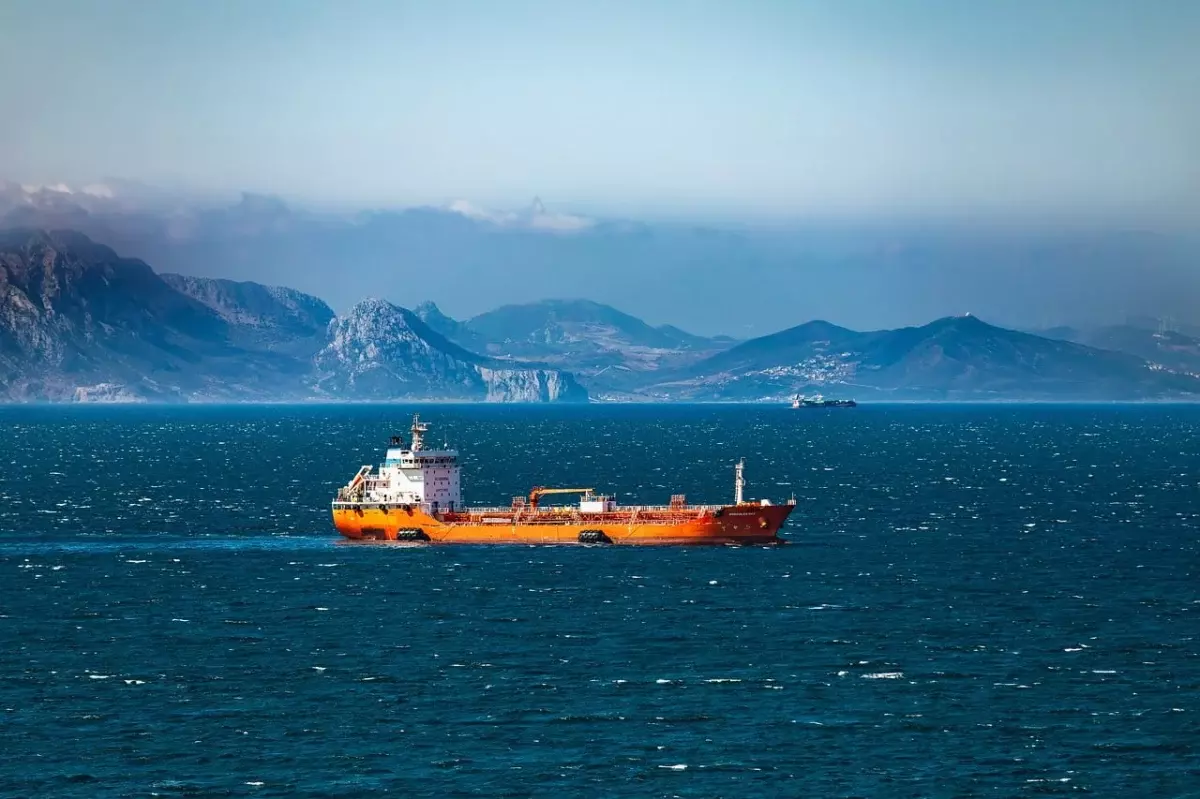
The Strait of Hormuz shipping risk is no longer an abstract phrase when a cargo vessel is struck near Qeshm Island. In the latest reported incident, Iranian state media said one person was killed and four were wounded, while the cause and the attacker remained unverified at the time of reporting. That uncertainty is exactly what makes the story so combustible: in a narrow corridor where the Persian Gulf meets the Gulf of Oman, a single blast can unsettle diplomacy, shipping insurance, and energy markets at once.
In chokepoint geopolitics, geography is never just geography; it is leverage.
Why this incident matters in maritime security in the Gulf
Qeshm Island sits beside one of the world’s most watched sea lanes. The Strait of Hormuz is the narrow maritime gateway linking the Gulf to the open ocean, and that narrowness is what gives every incident outsized weight. When a vessel is struck there, the impact is not limited to the hull; it spreads into voyage planning, port schedules, crew anxiety, and the price of risk. This is the hard reality behind maritime security in the Gulf: it is measured not only in missiles or mines, but also in delays, rerouted cargo, and higher premiums.
The reported Qeshm Island cargo vessel attack also reminds observers that maritime threats rarely stay neatly contained. A strike near a coastal island can be read as a warning shot, a political message, or a tactical probe. Yet until investigators identify the method and the actor, the event remains a dangerous mix of fact and interpretation. In crises like this, speed matters, but so does restraint: the wrong conclusion can escalate a local shock into a regional standoff.
What the report tells us, and what it does not
According to the report, Tehran blamed a
Frequently Asked Questions
Why can a single strike near Qeshm Island affect global energy markets so quickly?
Because the Strait of Hormuz is a chokepoint through which a large share of seaborne oil and fuel exports pass. Even one uncertain incident forces traders to price in the chance of wider disruption. Markets often react before facts are confirmed, since delays, higher insurance costs, or rerouting can tighten supply expectations almost immediately.
Does a reported attack in the Strait of Hormuz automatically mean shipping stops?
Not necessarily. Most traffic usually continues, but under tighter caution. Ship operators may slow down, alter routes, increase watchkeeping, or temporarily pause sailings while risk is assessed. The immediate effect is often operational uncertainty rather than a full shutdown, unless there is clear evidence of a broader threat or repeated attacks.
Why is the lack of verified attribution such a big issue in this case?
Because attribution determines whether the event is treated as isolated violence, a warning, or a state-linked escalation. Without verified information, governments, insurers, and shipowners cannot reliably judge intent or future risk. That uncertainty can be more destabilizing than the strike itself, since it leaves room for miscalculation and overreaction.
How do shipping insurers react when an incident happens in a narrow waterway like this?
Insurers often reassess war-risk premiums, route conditions, and vessel exposure almost immediately. Even if the damage is limited, uncertainty can raise premiums because a narrow passage leaves little margin for error. Operators may also face higher deductibles, stricter voyage requirements, or added security measures before coverage is renewed or extended.
Why does the location near Qeshm Island matter more than the attack site alone?
Qeshm Island sits close to a heavily traveled maritime corridor at the mouth of the Persian Gulf. That means a strike there is not just a local coastal incident; it occurs beside a route used by commercial tankers and cargo ships. Proximity to the main sea lane amplifies the strategic and economic significance of any event.
What should companies moving cargo through the Strait of Hormuz do after this kind of report?
They typically review voyage timing, security advisories, satellite and maritime alerts, and insurance conditions before proceeding. Some may delay non-urgent shipments or coordinate with naval and port authorities. The main goal is to reduce exposure to uncertainty, because in a chokepoint even a brief disruption can cascade into costly schedule and contract problems.