
The planned reopening of Britain’s oldest lido, Cleveland Pools in Bath, matters for reasons that go well beyond nostalgia. For one day, the public will get a rare glimpse of a 200-year-old swimming site that links the city’s water history, its Bath identity, and the modern pressure to keep heritage assets useful rather than merely photogenic. This is not just a story about a pool opening its gates. It is a test of whether a historic public amenity can still justify its place in a city shaped by the Roman Baths, Georgian architecture, and the economics of contemporary conservation.
What Cleveland Pools actually represents
Cleveland Pools is historically significant because it belongs to the tradition of the lido before the term became common in Britain. It is an open-air public bathing site, not a private club pool and not a modern leisure complex. That distinction matters. A true heritage swimming pool is not only a basin of water; it is a social institution, a piece of urban design, and often a fragile record of changing ideas about health, recreation, and class.
Opened in the early nineteenth century, Cleveland Pools has the unusual status of being Britain’s oldest surviving public outdoor pool. Its position by the River Avon, Somerset, ties it to the practical landscape of Bath rather than to a purely ornamental one. That is one reason the site feels different from a museum exhibit. It sits at the intersection of water management, civic history, and local identity, with the pool itself acting as a physical reminder that public bathing once served both utility and pleasure.
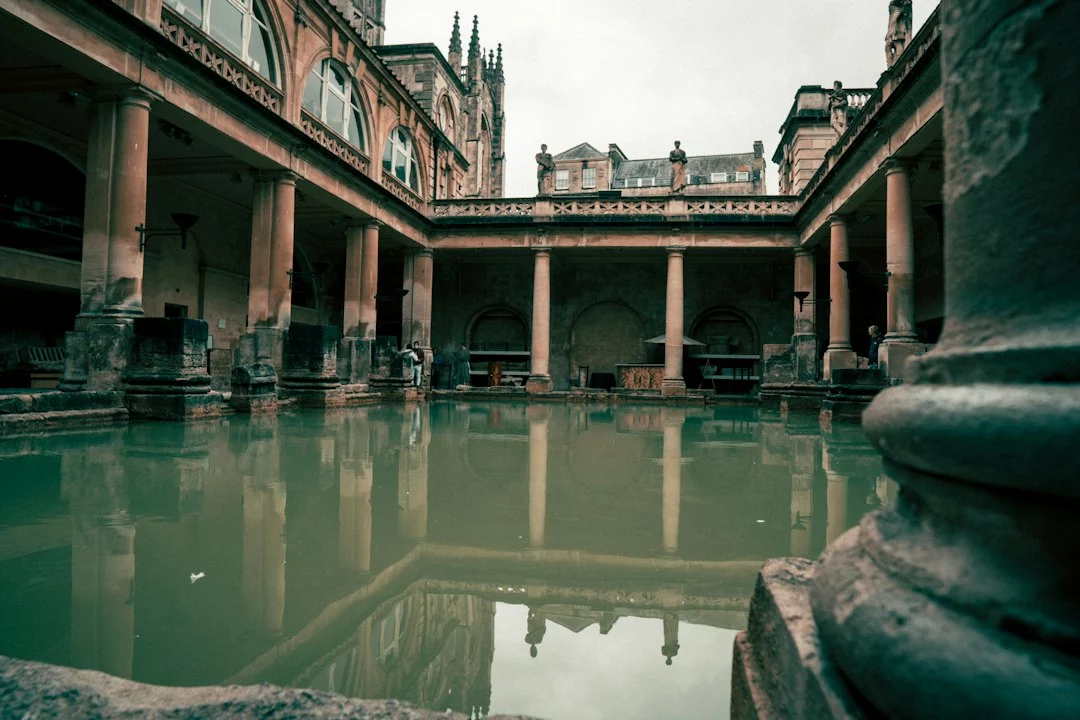
Bath already has a dense water narrative. The city’s reputation began with the public bath culture of the Romans, continued through the Georgian era, and now extends into contemporary spa tourism. Cleveland Pools belongs to that lineage, but it is the less polished, more democratic branch of it. Where the classical baths and the spa industry often imply controlled experience, the lido tradition implies weather, exposure, community use, and seasonal volatility.
Why a one-day reopening matters more than a ribbon-cutting
A one-day opening is symbolically useful because it creates public visibility, but it also exposes the hard truth: reopening a heritage pool is not the same as securing its future. The event allows people to see the restored fabric, judge the setting, and reconnect the site with local memory. It also provides a public stress test. Can the circulation, access, safety, and visitor flow work in practice? Can a site built in another century meet current expectations without losing the qualities that make it historically important?
A heritage pool that cannot operate is only half restored.
That sentence sounds blunt because it is. Too many heritage projects focus on preservation as if the job ended when the masonry looked sound. In reality, conservation only becomes meaningful when a site can be used safely and repeatedly. For Cleveland Pools, the one-day opening is therefore a checkpoint, not a victory lap.
It is also a reminder that cities make choices about what they value. Bath is full of carefully protected fabric, from the symmetry of Regency architecture to the skyline dominated by the Bath Abbey. Yet not every protected place gets the same public attention. A lido is less prestigious than a cathedral or a crescent, but it can matter more to residents because it is usable, social, and emotionally familiar.
The restoration challenge is structural, not cosmetic
Historic pools are notoriously difficult to restore because they combine heritage constraints with water engineering. The issue is not simply that old fabric has to be repaired. It is that every intervention changes the relationship between old materials and modern performance. A pool needs waterproofing, circulation, filtration, safe edges, accessible routes, and ongoing maintenance. Heritage rules ask for restraint. Public health rules ask for reliability. Those goals can align, but they often pull in opposite directions.
This is where heritage conservation becomes a discipline of trade-offs rather than a slogan. The same is true of listed building status. Listing protects significance, but it does not eliminate the need for money, staffing, or technical judgement. Conservation bodies such as Historic England and funders such as the National Lottery Heritage Fund can make restoration possible, but they cannot remove the underlying operating costs of a site that must function every time it opens.
| Restoration issue | Why it matters | What it reveals |
|---|---|---|
| Waterproofing and circulation | A pool must hold and manage water safely | Old structures can be visually restored yet still fail as infrastructure |
| Access and safety | Modern users expect clear entry points and safeguards | Heritage cannot ignore present-day liability |
| Seasonal revenue | Historic lidos often depend on summer demand | Cultural value alone does not pay for operations |
| Material conservation | Historic stone and fabric can deteriorate under water exposure | Bath’s building heritage and pool engineering must be balanced carefully |
Bath’s built environment adds another layer of complexity. The city’s visual identity rests heavily on local Bath stone, ordered streetscapes, and a long chain of protected sites. That aesthetic framework can make a pool like Cleveland feel especially valuable, but it also raises the standard for what
Frequently Asked Questions
Why is Cleveland Pools described as Britain’s oldest lido if the word “lido” came later?
Because the site predates the term but fits the same tradition: an open-air public bathing place. Cleveland Pools opened in the early nineteenth century, before “lido” became common in Britain. Its importance lies in being the oldest surviving example of that kind of civic outdoor swimming site, not in the label itself.
Why does a one-day reopening matter if the pool is not fully back in operation?
It matters because it lets the public see the restored site in use, not just as a preserved object. A one-day opening is a practical test of access, safety, circulation, and visitor flow. It also shows whether the restoration has created a usable amenity, which is the real measure of success for a heritage pool.
What makes restoring Cleveland Pools more difficult than restoring a historic building?
A pool has to do more than survive visually: it must hold water, keep it clean, allow safe entry and exit, and meet modern access standards. That means heritage conservation has to work alongside engineering, filtration, waterproofing, and ongoing maintenance. The challenge is balancing authenticity with the demands of a functioning public bathing site.
How is Cleveland Pools different from Bath’s Roman Baths or spa attractions?
The Roman Baths and modern spa culture are more controlled, curated experiences. Cleveland Pools belongs to a more democratic tradition: outdoor, seasonal, weather-dependent, and open to ordinary public use. That makes it less polished but more socially rooted. It reflects everyday recreation as much as heritage, which is part of its value.
Why should Bath care about reopening a lido when it already has so much heritage tourism?
Because heritage is not only about famous monuments. Cleveland Pools represents a usable part of Bath’s history and a reminder that the city’s water story includes public bathing, community leisure, and local identity. For residents, a functioning lido can matter more than a photogenic landmark because it offers a living amenity, not just something to admire.