
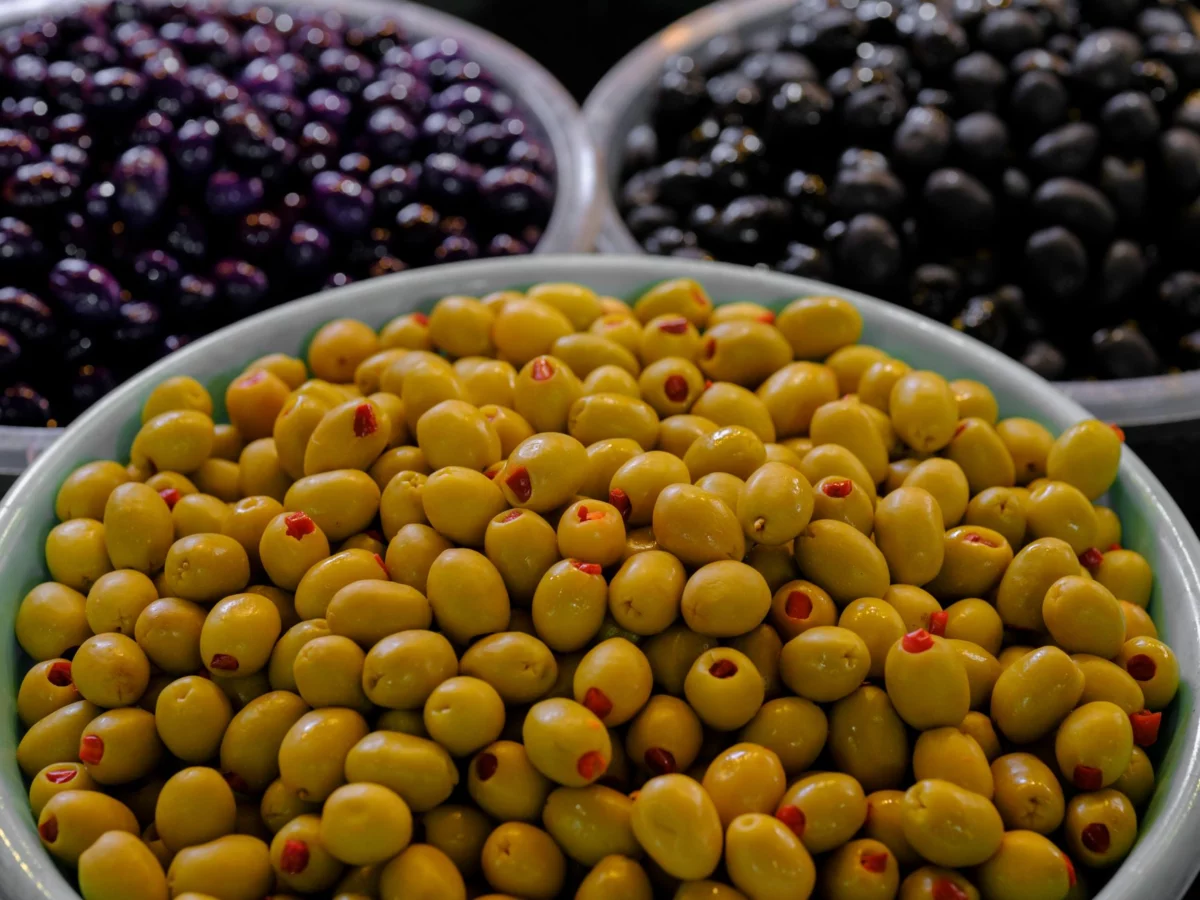
The Waitrose olive recall is a small notice with a large public-health message. A chilled, ready-to-eat product was withdrawn after the detection of Listeria monocytogenes, and that matters because this is not ordinary spoilage. It is a listeria monocytogenes contamination event in a food that people expect to eat straight from the pack, with no cooking step to reduce risk.
The immediate question for shoppers is simple: what does this mean if you bought the affected olives? The wider question is more important. Why do recalls like this keep happening in the first place, and why does a product that looks harmless trigger a UK food recall notice so quickly?
The central issue is not whether olives are inherently dangerous. It is that once a ready-to-eat food is contaminated, the consumer has almost no reliable way to make it safe again.
What the recall actually covers
According to the recall alert, the affected product is a 120g pot of Waitrose pitted black olives sold in UK stores, with a September use-by date. That specific detail matters. A food recall is usually batch-specific, not a verdict on an entire brand category. The problem is limited in scope, but the response has to be broad because consumers cannot inspect the product and determine safety with any confidence.
Waitrose is acting inside a familiar retail framework: identify the affected lot, warn customers, and instruct them not to consume the item. That is standard practice in a supermarket supply chain, but the speed of the action tells you something about the hazard. A visible defect can sometimes be tolerated. A pathogen cannot.
In this case, the company has used the language of a do-not-consume alert, which is exactly the right call. Public notices in food safety are not meant to sound reassuring. They are meant to reduce exposure before someone turns a purchase into a meal.
Why listeria in olives matters more than ordinary contamination
Listeriosis is uncommon, but it is one of the most serious foodborne illnesses because it can become invasive and life-threatening. The responsible bacterium is not rare in the environment, but serious illness from food exposure is far more selective: it hits pregnant people, older adults, and immunocompromised patients hardest. The U.S. CDC estimates that listeria causes roughly 1,600 illnesses and 260 deaths each year in the United States. The point is not the exact geography. The point is severity.
The fact that the product is olives is also revealing. Consumers often think of olives as shelf-stable, salty, and low-risk. But the food safety question is not about whether a food seems wholesome; it is about whether the production environment, packaging line, or post-process handling allowed a pathogen to survive. The real hazard is invisible. You do not reliably see it, smell it, or taste it.
That is why the phrase used in some headlines, rare invasive bacteria, is imprecise. The bacterium itself is not invasive in the ecological sense. The illness can be invasive in the clinical sense. That distinction matters because sloppy language can blur the actual risk.
Why ready-to-eat foods are vulnerable
The core vulnerability is structural. Once food is sold as ready to eat, there is no consumer-side kill step left. No cooking. No reheating. No safety margin. In practice, that puts the burden on the processor and the retailer, not the shopper. It also explains why listeria recalls are treated more urgently than many other contamination events.
Refrigeration slows microbial growth, but it does not eliminate Listeria monocytogenes. That is a crucial point because chilled foods are often mistaken for safe foods. Listeria is unusual precisely because it can persist in cool conditions that would slow many other organisms. It can also spread through cross-contamination if equipment, packaging surfaces, or handlers are not controlled tightly enough.
Food scientists and regulators focus heavily on hygiene controls in these settings because the problem is often environmental, not dramatic. A contaminated drain, conveyor, or filler can seed repeated positives over time. That is one reason manufacturers use environmental monitoring and routine swabbing as part of food hygiene programs. The presence of contamination in a finished product usually means something upstream failed.
Some food environments are especially difficult because listeria can persist in damp, cool niches and survive on equipment surfaces. Research and industry guidance often discuss biofilms for this reason: once the organism anchors itself in the processing environment, it becomes harder to eliminate than a simple surface contaminant. That is not a problem a shopper can solve at home.
What to do if you bought the Waitrose olives
If you are asking what to do if you bought Waitrose olives, the answer should be blunt: do not eat them. Do not taste them to check. Do not rinse them and assume the problem is gone. Do not move them to another container and hope for the best. If the product matches the recall details, it should leave your food chain immediately.
| Question | Direct answer |
|---|---|
| Can I eat it if it looks normal? | No. Listeria is not reliably visible, smelt, or tasted. |
| Can I wash the olives first? | No. Washing does not make a contaminated ready-to-eat food safe. |
| Should I keep it in a separate part of the fridge? | No. Return it to the store if advised, or dispose of it safely and clean the area. |
| What if I already ate some? | Monitor for symptoms and seek medical advice if you are pregnant or in a high-risk group. |
For symptom guidance, the NHS listeriosis page is the most relevant UK public resource. Listeriosis can start with flu-like signs, fever, muscle aches, or gastrointestinal symptoms, but the warning sign is not always immediate. That delay is one of the reasons listeria is taken so seriously: by the time symptoms appear, the consumer may not connect them to a specific food.
If you are pregnant, elderly, or immunocompromised, do not wait for the illness to declare itself. Seek medical advice promptly if you ate the recalled product and feel unwell, or if you are simply concerned. In food safety, caution is cheaper than regret.
How regulators turn a laboratory result into a public warning
In the UK, the Food Standards Agency sits at the centre of recall and withdrawal communications. The logic is simple: the moment a finished product tests positive for a high-risk pathogen, the message must move fast enough to outrun consumer use. That is the practical meaning of risk communication.
This system is not perfect, but it is better than opacity. A recall notice is not just a warning; it is a trust test. If retailers are slow, vague, or defensive, consumers infer that food safety is negotiable. If the notice is direct and specific, the public gets a clear rule: identify the batch, return it, and do not consume it.
That also explains why regulators and retailers care so much about batch codes and use-by dates. They are not bureaucratic trivia. They are the practical bridge between a laboratory finding and a household fridge. Without precise coding, recall notices become much less effective.
There is a strategic angle here as well. The longer a contaminated product remains on sale, the more likely it is to intersect with high-risk households. That is why withdrawal systems are designed to be conservative. In food safety, over-removal is usually preferable to under-removal.
What this case says about supermarket food safety
This is where the story becomes larger than one jar or pot. A modern supermarket depends on the assumption that complex supply chains can deliver consistency at scale. When a recall happens, it is a sign that the detection system worked, but it is also evidence that an upstream control failed. Both things can be true at once.
From an industry perspective, listeria is a particularly expensive problem because it affects not only the product itself but also the production line, sanitation procedures, supplier audits, and shelf-life discipline. A single positive result can trigger product withdrawal, environmental sampling, line stoppage, and reputational damage. That is why serious processors invest in preventive controls rather than treating recalls as routine admin.
The risk is amplified in foods with a long chilled life. A short shelf life limits the time available for growth and discovery. A longer one creates more opportunity for contaminated product to be purchased, stored, and eaten. That is one of the main reasons food safety specialists watch the combination of chilled storage, ready-to-eat status, and low-acid environments so closely.
For consumers, the lesson is less dramatic but more useful: treat every recall notice as operational, not optional. It is easy to dismiss a niche product alert as a one-off. In reality, the recall is a data point about the control quality of the entire chain.
What the industry should tighten next
The best response is not to moralise about one retailer or one supplier. It is to ask where control broke down. Did the contamination arise from raw material? From a sanitation lapse? From packaging? From post-process handling? The public may never know the exact root cause, and that is normal. What matters is whether the system learns from it.
Food businesses should keep paying attention to environmental monitoring, ATP verification, line hygiene, and hold-and-release testing where appropriate. They should also assume consumers will see the headline before they see the batch details. That means notices must remain short, explicit, and easy to act on. A vague advisory is not a safeguard.
There is also a communications problem. The phrase do not consume is strong because it has to be. But headlines that say a product contains a rare invasive bacteria can confuse readers into thinking the threat is exotic rather than familiar. The better framing is simpler: a food poisoning risk from a bacterium that can be severe even at low exposure.
For context, European Food Safety Authority assessments and national surveillance systems have long treated listeria as a pathogen of concern in chilled ready-to-eat foods. That does not mean every recall is a system failure. It means the system is built around the assumption that failure will happen occasionally and must be caught early.
Frequently asked questions
Can I eat the olives if they were only in my fridge for a day?
No. Time in your fridge does not remove the hazard. If the product is part of the recall, it should not be eaten regardless of how long it has been stored.
Can cooking make recalled olives safe?
In theory, sufficient heating can kill listeria, but that is not the standard consumer advice for a recalled ready-to-eat product. The practical rule is to return or discard it, not improvise a workaround.
Who is most at risk from listeria?
Pregnant people, newborns, older adults, and those with weakened immune systems face the highest risk of serious illness. For these groups, even a low-probability exposure is worth taking seriously.
How can I check future recall notices more efficiently?
Use the Food Standards Agency website regularly, keep an eye on retailer alerts, and pay attention to batch codes and use-by dates. A recall only works if consumers can match the notice to the product in their kitchen.
What this recall says about the next few years
The most important insight is that food recall management is becoming less about dramatic outbreaks and more about fast detection of small, high-risk failures. That shift will continue. As supply chains become more complex, the winners will be businesses that can trace product quickly, communicate clearly, and isolate contamination before it reaches households.
What readers should watch next is whether retailers get better at integrating lab findings, batch coding, and consumer alerts into a single fast-response system. Digital traceability, improved environmental monitoring, and tighter cold-chain discipline are all likely to matter more, not less. The regulatory direction is clear: fewer excuses, faster warnings, and lower tolerance for ambiguity.
The unresolved question is uncomfortable but important: how many future recalls will be treated as isolated incidents when they are actually signals of a recurring control weakness? That is the real test behind the Waitrose product recall. Not whether one pot of olives was removed in time, but whether the industry can make sure the next listeria warning is caught even earlier.
Frequently Asked Questions
Why is a small, batch-specific recall treated so seriously if only one 120g pot is affected?
Because food recalls are about preventing harm before anyone gets sick. A batch-specific issue may be limited in scope, but consumers cannot look at a sealed ready-to-eat product and tell whether it is safe. If the same packaging line or handling process was involved, the risk can extend beyond what is visible on the label.
Can chilling or storing the olives in the fridge make them safe to eat?
No. Refrigeration can slow Listeria monocytogenes, but it does not reliably eliminate it. That is why chilled ready-to-eat foods are a concern: there is no cooking step left for the consumer to reduce the risk. If a product is recalled for listeria, keeping it cold does not make it safe.
Why are ready-to-eat foods more dangerous than foods you cook yourself?
With ready-to-eat foods, the consumer has no final kill step. Cooking can destroy many harmful bacteria, but sealed chilled foods are eaten as-is. That means any contamination introduced during production, packaging, or storage can reach the consumer unchanged, which is why these recalls are treated urgently.
If olives are salty and seem preserved, why can they still be involved in a listeria recall?
Salt and preservation can reduce some risks, but they do not guarantee safety. Listeria can survive in refrigerated, processed foods if contamination happens after processing or if hygiene controls fail. The issue is usually not that olives are naturally unsafe; it is that a pathogen can be introduced somewhere in the supply chain.
Who should be most concerned if they may have eaten the recalled olives?
Everyone should avoid the product, but the highest-risk groups are pregnant people, older adults, newborns, and anyone with a weakened immune system. Listeriosis is uncommon, yet it can become invasive and severe in these groups. If symptoms develop after eating the product, medical advice should be sought promptly.
What symptoms would make listeria exposure more worrying than a typical stomach bug?
Listeria can start with flu-like symptoms such as fever, muscle aches, and fatigue, sometimes after a delay. In more serious cases it can cause headache, stiffness, confusion, or neurological symptoms. That delayed and sometimes non-gastrointestinal pattern is one reason listeria is taken more seriously than ordinary food poisoning.