
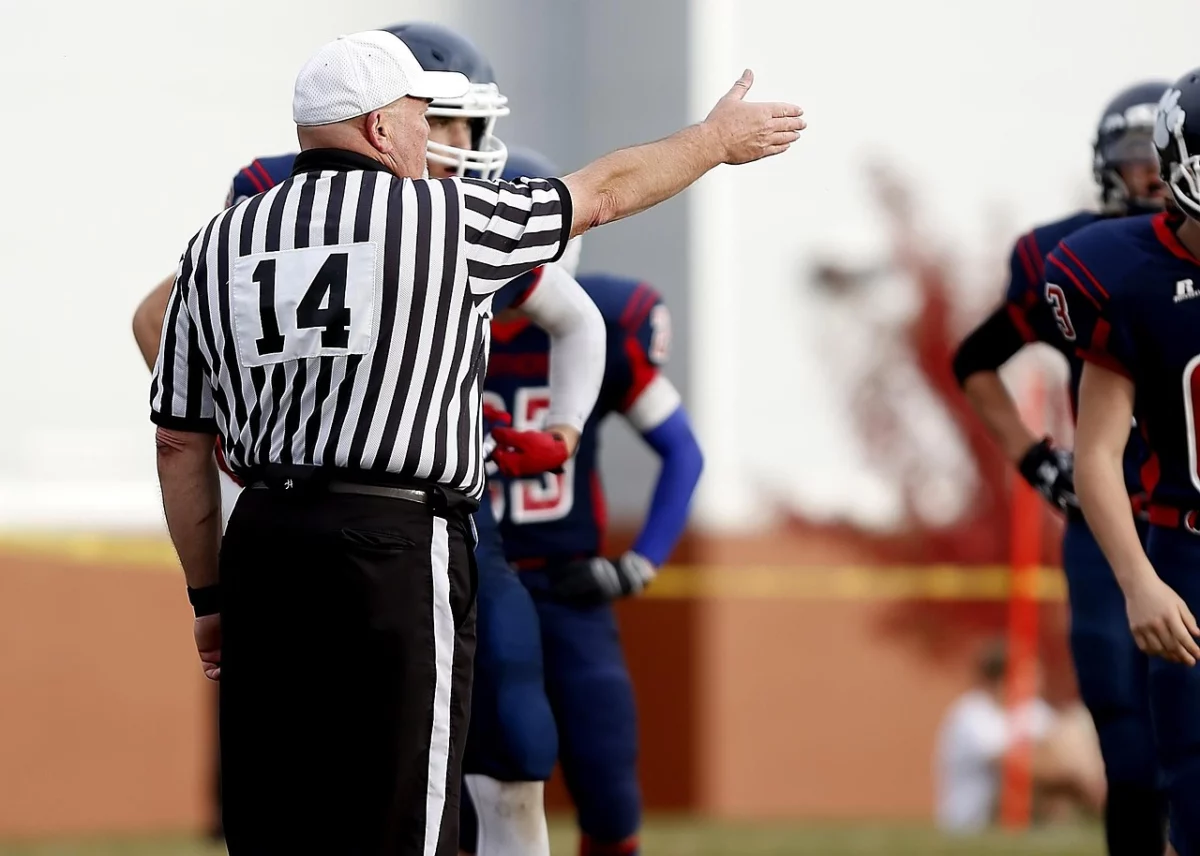
Matthias Jaissle’s complaint about being booked for his touchline behaviour goes to the heart of association football officiating: when does visible emotion become punishable dissent, and why does one manager receive a yellow card while another escapes with a warning? In a sport policed by the referee, the fourth official and the Laws of the Game, that question is bigger than one sideline incident. It speaks to fairness, consistency and the way modern coaches use the touchline as an extension of the team.
Why the booking matters beyond one incident
In elite football, the manager is no longer just a tactician in the dugout. He is part of the match narrative, a visible source of energy, pressure and instruction. That makes the boundary between communication and protest unusually fragile. A gesture to the assistant referee, a shouted complaint or a sarcastic applause can all be read differently depending on context.
The practical issue is not whether managers should show emotion. It is whether the threshold for punishment is being applied consistently. When a coach at Newcastle United F.C. sees himself punished while rival managers remain animated, the debate quickly shifts from one booking to the integrity of the whole disciplinary process.
How touchline discipline is supposed to work
The official IFAB Laws of the Game give referees discretion to caution conduct that shows dissent, irresponsible behaviour or repeated interference. In practice, that means a coach can be booked not just for what he says, but for how he says it, how often he says it and whether he crosses the invisible line of respect.
This is where the roles of the fourth official, the referee and, in some competitions, the wider match officials team become crucial. The fourth official is usually the first buffer between the bench and the field of play. If that communication channel breaks down, a manager’s complaint is more likely to become a formal sanction.
Modern football also adds another layer of pressure. The rise of the video assistant referee has made every decision feel reviewable, even when bench behaviour is not subject to video intervention. That wider sense of scrutiny can make managers more animated, not less, because they believe every call is being judged in real time. Governing bodies such as FIFA and UEFA have increasingly emphasized control, but the human element remains central.
Manager touchline conduct and the problem of consistency
The hardest part of the issue is that consistency is not always visible. Two managers may shout with equal intensity, yet one is seen as motivating while the other is seen as dissenting. A referee’s reading of tone, timing and body language is necessarily subjective. That subjectivity is not a flaw in itself; football depends on judgment. The problem begins when similar behaviour produces different outcomes from one match to the next.
Supporters often judge that inconsistency by comparing the touchline reactions of different clubs, especially in leagues like the Premier League, where every frame is amplified. The red card is a clear endpoint, but the path toward it is often shaped by interpretation. A coach who accumulates repeated cautions can quickly lose influence over a match.
When managers feel that the same behaviour is treated differently from one game to the next, the argument stops being about emotion and becomes about credibility.
That is why the discussion is not simply about whether Jaissle was right or wrong. It is about whether football’s disciplinary standards are predictable enough for clubs, players and supporters to trust them.
Why some experts defend referee discretion
Many officials and analysts argue that rigid rules would not solve the problem. A manager’s reaction in a tense derby is not the same as a brief complaint in a low-risk moment. A referee who uses discretion can keep the match calm without turning every outburst into a card. In that view, the booking system works best when it is calibrated to the temperature of the game rather than applied mechanically.
Why others want clearer boundaries
Others believe the current model invites confusion. If one coach can stalk the edge of the technical area all night while another is booked early, the message to benches is inconsistent. That is why disciplinary bodies such as The Football Association and league administrators are regularly pushed to issue clearer guidance on acceptable conduct.
What managers can do in practice
For coaches, the smartest response is usually not louder protest but tighter process. The most effective benches tend to do a few things well:
- Use one voice so only the head coach or nominated staff member communicates with officials.
- Keep questions factual rather than sarcastic or accusatory.
- Delegate emotional energy to assistants while the head coach stays composed.
- Reset after the decision instead of carrying the argument into the next phase of play.
These habits matter because once a coach is booked, the tactical cost is immediate. He loses some freedom to challenge later decisions and may become more constrained in how he leads his team. In a sport where marginal gains matter, avoiding an unnecessary caution can be as valuable as a good substitution.
What this means for Newcastle and the wider game
For Newcastle United, the immediate issue is reputational as much as disciplinary. Players and supporters often read touchline bookings as evidence that officials are applying a different standard to their club. Whether that perception is accurate is less important than the fact that it shapes trust.
Across UEFA and FIFA competitions, the same tension exists: the game wants emotional managers because they make football compelling, but it also wants a controlled technical area. That push and pull is likely to continue as match coverage, replay culture and public criticism intensify.
Frequently asked questions
Why are football managers booked for touchline behaviour?
Managers can be cautioned for dissent, persistent protest or behaviour that the referee considers irresponsible. The booking is usually about the manner and persistence of the protest, not simply the fact that a coach disagreed with a decision.
Can a coach be sent off like a player?
Yes. A coach can receive a second caution or be dismissed for serious misconduct. In practice, that usually means leaving the technical area and watching the rest of the match from the stands or another restricted location.
Why do some managers seem to get away with more?
Because the standard is partly subjective. Referees weigh context, tone and escalation. That discretion can improve game management, but it also creates the perception of inconsistency when similar actions are treated differently.
What the next touchline booking will reveal
The most important insight from Jaissle’s complaint is that touchline discipline is no longer a minor sideline issue; it is part of football’s credibility problem. If governing bodies want fewer arguments about manager bookings, they will need clearer thresholds, better communication through the fourth official and more consistent disciplinary expectations across competitions.
What readers should watch next is whether leagues quietly tighten enforcement or continue relying on referee discretion. The likely future is not a silent technical area, but a more contested one, with managers still pushing the edge and officials still deciding where the edge actually is. The unanswered question is whether football can make that boundary more predictable without stripping the game of the emotion that makes the touchline so difficult to police.
Frequently Asked Questions
What exactly turns a manager’s touchline reaction into a booking-worthy offence?
It is usually not one single gesture or word, but the overall context: tone, volume, repetition, sarcasm, and whether the behaviour is seen as disrespectful or obstructive. A brief emotional reaction may be tolerated, but a prolonged complaint, exaggerated protest, or repeated interference with officials can cross the line into dissent or irresponsible behaviour.
Why is the fourth official so important in these situations?
The fourth official acts as the main buffer between the bench and the referee team. He or she can warn a manager early, cool down tensions, and relay concerns before they escalate. When that communication breaks down, a complaint is more likely to reach the referee as a formal disciplinary issue rather than being defused informally.
If VAR exists, why are touchline complaints still handled by referee judgment?
VAR is designed to review specific match incidents, not bench behaviour. Touchline conduct remains a matter of live officiating because it depends on tone, intent and context, which are difficult to judge on video alone. That leaves officials with discretion, which can be useful, but also creates room for disagreement over consistency.
Why do two managers doing something similar sometimes get different outcomes?
Because officials do not judge only the visible action; they also read timing, match temperature, prior warnings, and the manner of the protest. A coach may be viewed as passionate in one moment and disrespectful in another, even if the outward behaviour looks similar. That subjectivity is part of football, but it is also what fuels complaints about inconsistency.
Does a yellow card for a manager actually affect the match beyond the sideline drama?
Yes. A booking can reduce a coach’s freedom to protest, change how assertively he communicates with officials, and even alter the mood of the bench. Repeated cautions can also undermine authority and make a manager more cautious for the rest of the game, which can indirectly affect team organization and emotional control.
Why do governing bodies want tighter control of touchline behaviour if discretion is already allowed?
Because visible managerial dissent can influence players, crowd behaviour and the overall authority of the referee. Governing bodies want to protect match control and avoid escalation, especially in high-pressure matches. At the same time, they usually stop short of rigid automatic punishments, since football still depends on context and human judgment.