
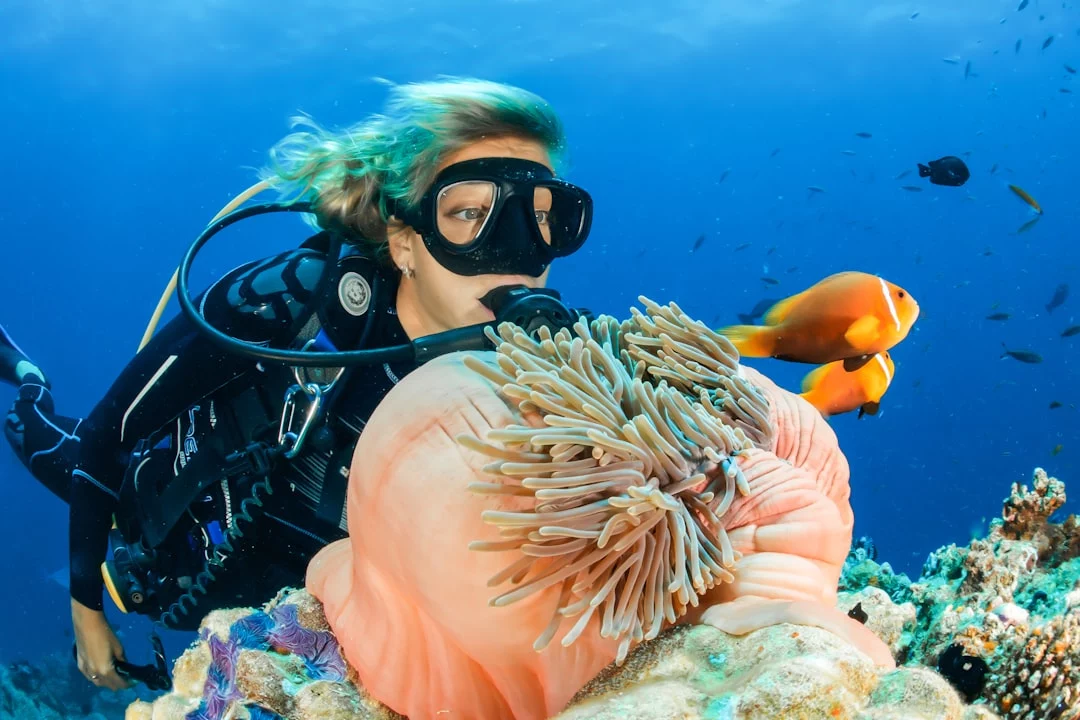
Project AWARE Week Maldives 2026 will transform an island holiday into a purposeful marine adventure from 16 to 20 September. This guide explains what guests can expect from Nova Maldives and PADI’s five-day collaboration, who can participate, and how to prepare for wildlife observation and hands-on conservation. Whether you are entering the lagoon with a snorkel for the first time or arriving with years of scuba experience, the programme offers a chance to explore tropical waters while learning why responsible ocean stewardship matters.
Led by the resort’s marine team, the week is designed to connect underwater discovery with practical environmental education. Rather than observing the reef as a passive visitor, guests can engage with the marine environment more thoughtfully and understand how individual behaviour contributes to its protection.
Key Takeaways
- Project AWARE Week runs from 16 to 20 September 2026.
- Nova Maldives is partnering with PADI to host the programme.
- First-time snorkellers and experienced divers can participate.
- Activities combine wildlife observation, education and conservation work.
What can guests expect from Project AWARE Week Maldives 2026?
The central experience will be time in the water, guided by professionals who understand both diver safety and the local marine environment. Guests can anticipate a blend of wildlife encounters, environmental interpretation and active conservation, creating a richer experience than an ordinary recreational excursion.
Exact activities and schedules should be confirmed directly with Nova Maldives before booking. Weather, currents, visibility and marine conditions can influence any ocean-based programme, while wildlife sightings can never be guaranteed. That uncertainty is part of authentic exploration: every reef visit unfolds according to nature rather than a scripted itinerary.
The partnership also brings together complementary strengths. Nova’s marine team provides local knowledge and resort-based support, while PADI contributes internationally recognised diving education and a conservation-focused framework for engaging ocean enthusiasts.
Who will feel comfortable joining the programme?
The week is intentionally broad in its appeal. First-time snorkellers can experience the vivid immediacy of the lagoon without needing scuba certification, while qualified divers can explore beneath the surface with a deeper awareness of reef health, species behaviour and responsible diving practices.
Families, couples, solo travellers and dedicated underwater photographers may all find value in the programme, although age, health and certification requirements may apply to particular sessions. Guests should ask which activities are suitable for non-swimmers, children, beginner snorkellers or divers with specific accessibility needs.
Experienced participants can benefit too. Conservation-led exploration encourages even confident divers to reconsider buoyancy control, fin positioning, marine-life interactions and the cumulative effect of seemingly minor actions underwater.
How does conservation add meaning to a Maldives holiday?
Coral reefs are not simply beautiful backdrops. They provide habitat for marine life, support coastal communities and help buffer shorelines from waves and storms. The NOAA overview of why coral reefs matter explains their ecological, social and coastal value, giving important context to responsible reef tourism.
Hands-on conservation can turn that context into something tangible. When travellers learn to observe marine life without touching, chasing or feeding it, they become more attentive visitors. When conservation work is guided by trained professionals, participation can also become an educational bridge between scientific goals and everyday choices.
This matters in a destination where the ocean shapes almost every moment of the stay. A manta ray, reef fish or intricate coral formation becomes more than a photograph when guests understand the habitat supporting it and the pressures facing sensitive ecosystems.
How should you prepare for a responsible week in the water?
Begin by contacting the resort for the final activity calendar, participation fees, equipment information and booking requirements. Certified divers should check whether they need to present a certification card, logbook or medical declaration. Travellers who have not dived recently can ask whether a refresher session is recommended.
Pack practical sun and water protection, including a rash vest, secure swimwear, a reusable water bottle and reef-conscious personal-care products. Avoid bringing single-use items that can easily become waste, and secure cameras or accessories so nothing is dropped or dragged across the reef.
Underwater conduct is equally important. Maintain neutral buoyancy, keep fins away from coral, follow the guide’s instructions and allow animals to control every encounter. Photography should never take priority over safety or the welfare of marine life.
How can you turn the experience into lasting ocean action?
The greatest value of Project AWARE Week may emerge after guests leave the island. Lessons about waste reduction, wildlife respect and responsible diving can shape future holidays, purchasing decisions and conversations at home. Participants can also ask the marine team how to continue supporting credible conservation initiatives without disturbing vulnerable habitats.
For travellers planning a September escape, the practical next step is to request Nova Maldives’ confirmed 2026 programme and reserve suitable sessions early. Arrive curious, follow expert guidance and treat every moment underwater as both a privilege and a responsibility.
Frequently Asked Questions
Is Project AWARE Week included in a standard stay at Nova Maldives?
The article does not confirm whether every session is included in the room rate or requires separate booking and payment. Contact Nova Maldives before reserving your stay to request the detailed programme, prices, participant limits and cancellation terms. Some activities may also require advance registration because group sizes can be restricted for safety and environmental reasons.
Do guests need a PADI certification to participate?
A scuba certification is not necessary for snorkelling and certain educational or conservation activities. However, certified dives will normally require proof of an appropriate diving qualification, while introductory scuba sessions may have separate supervision, age and medical requirements. Ask Nova which sessions welcome complete beginners and whether refresher training is recommended for qualified divers who have been inactive.
What should participants bring for the conservation programme?
Guests should pack reef-conscious sun protection, swimwear, a rash guard, a reusable water bottle and any personal mask or prescription equipment they prefer. Nova may provide snorkelling or diving gear, but availability and rental charges should be confirmed. Divers should also bring certification details and relevant medical documentation, particularly if they have a condition that could affect underwater activity.
Can children, non-swimmers or guests with limited mobility take part?
Participation will depend on the specific activity rather than the week as a whole. Shore-based education may be more accessible than snorkelling, diving or work conducted in currents. Families and guests with accessibility needs should request minimum-age rules, swimming requirements, entry methods and available assistance directly from Nova before booking, as these conditions may vary between sessions.
What happens if weather prevents the planned ocean activities?
Weather, currents, visibility and sea conditions may require Nova’s marine team to change a site, delay a session or cancel an activity for safety. Ask the resort whether alternative educational events, rescheduling or refunds are offered. Building flexibility into the holiday is sensible, especially because wildlife encounters and access to particular reef areas cannot be guaranteed.