
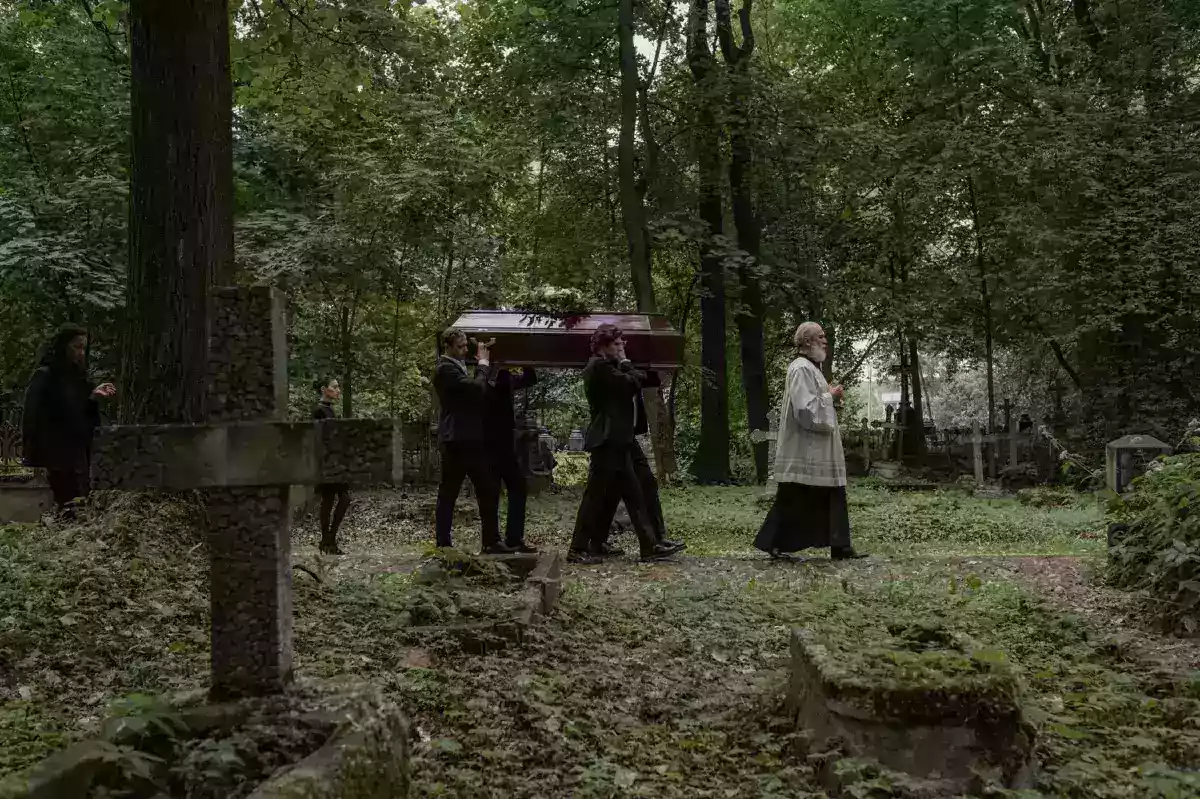
The Ratko Mladić funeral in Belgrade has reverberated far beyond Serbia’s streets. European Commission President Ursula von der Leyen called the ceremony
Frequently Asked Questions
Why did the EU leadership react so strongly to the Ratko Mladić funeral?
The EU treats Mladić as a convicted war criminal, so large public ceremonies can be read as a lack of commitment to justice and reconciliation. When European officials comment publicly, they signal that Serbia’s progress toward EU accession is tied to respect for international law, the rule of law, and stable cooperation with justice institutions.
Does the funeral directly change Serbia’s EU accession negotiations in the short term?
It can influence the immediate political tone, but it usually doesn’t instantly “pause” negotiations overnight. EU progress depends on multiple benchmarks. Still, a high-profile event like this can trigger harsher assessments in Commission reports, affect decisions on meeting dates, and strengthen arguments for stricter conditionality or additional political scrutiny.
What signal does such a ceremony send to the EU about Serbia’s domestic rule-of-law direction?
The EU may interpret it as evidence of continuing nationalist narratives that undermine accountability. If Serbian institutions are perceived as tolerating or honoring individuals convicted of atrocities, EU decision-makers may conclude that Serbia’s efforts toward reforms are incomplete, including broader commitments to judicial independence, minority rights, and reconciliation policies.
Can Serbia reduce any negative impact on its EU path after the funeral?
Yes. Serbia can mitigate damage through clear official messaging that unequivocally condemns war crimes and supports the finality of convictions. Concrete steps—such as promoting victims’ rights, discouraging glorification, reinforcing cooperation with relevant justice mechanisms, and aligning public ceremonies with legal and ethical norms—can help restore confidence.
How does this event relate to the EU’s broader concerns about Serbia’s alignment with European values?
The EU’s integration process is not only about legislation on paper; it also reflects public life and institutional credibility. A funeral framed by segments of society as celebratory for a convicted figure can be viewed as inconsistent with European commitments to human dignity, accountability, and non-violence, reinforcing longstanding concerns highlighted in progress assessments.