
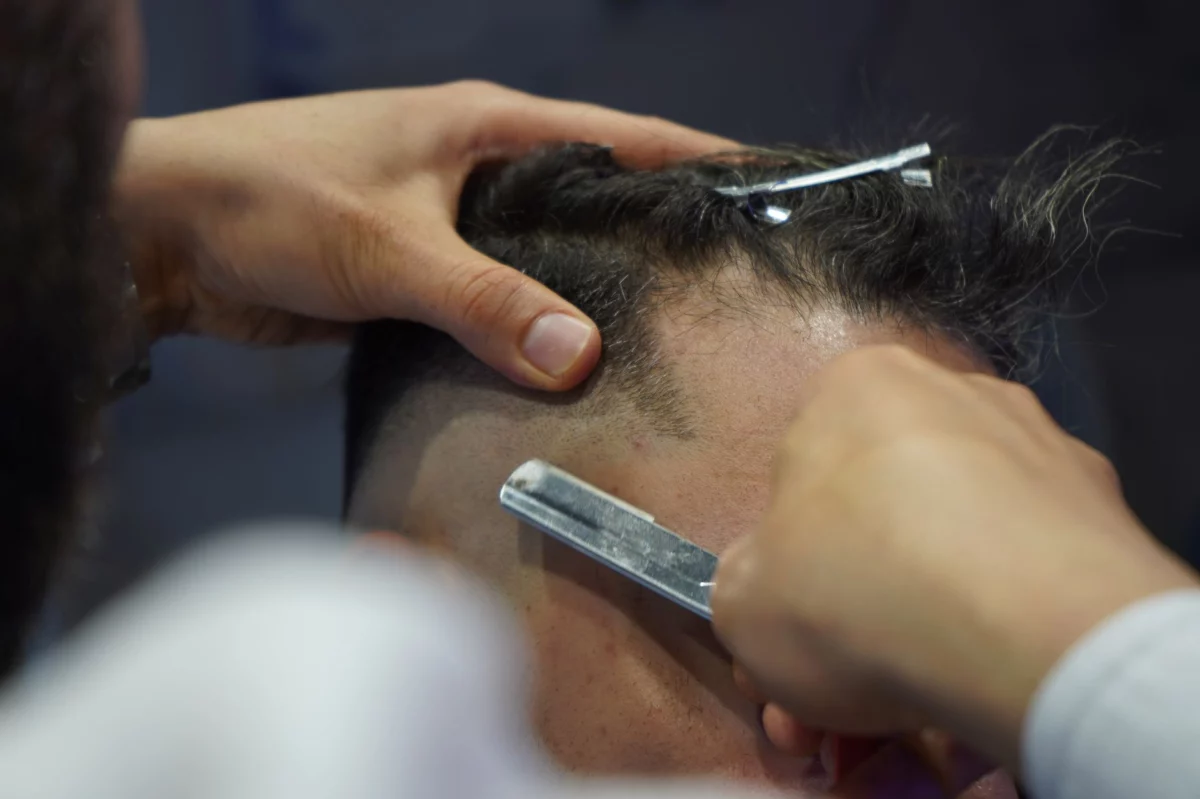
When Erling Haaland hair cut headlines appear, they usually do more than describe a hairstyle. They trigger a media loop: fans read symbolism into appearance, analysts frame it as mindset, and marketers see an instantly shareable
Frequently Asked Questions
Does Erling Haaland’s haircut actually signal a change in his mindset or performance?
Haircut headlines often lead fans to assume a direct link between appearance and mindset. However, a hairstyle change doesn’t provide reliable evidence about training habits or performance goals. The more realistic takeaway is that media attention amplifies small changes, which can influence perception, confidence narratives, and fan expectations rather than measurable game preparation.
Why do haircut stories about Haaland spread so quickly across social media?
They fit a “media loop”: people notice the look, then interpret it, analysts comment on symbolism, and marketers capitalize on a clearly shareable visual. The result is rapid repetition of the same storyline in different formats. Even when the haircut itself is minor, the commentary turns it into a broader trend topic that travels faster than sports news alone.
Is the haircut change necessarily tied to a specific event, like a match, sponsorship, or contract?
Not necessarily. Many hairstyle updates are simple lifestyle choices, timing-related grooming, or a response to the demands of travel and recovery. While brands and teams sometimes benefit from visibility, it’s a stretch to connect every haircut to a single event without confirmation. The article’s key point is that headlines invite speculation more than they prove causation.
What “symbolism” do fans typically read into Haaland’s blond hair change?
Fans often connect blond or lighter hair to themes like confidence, reinvention, or a new chapter—especially when the player is already associated with standout performances. But symbolism is interpretive, not factual. The doubt readers may have is whether the narrative is real; in most cases, it’s a cultural reading of appearances driven by attention cycles, not verified intent.
Could marketers be influencing how we interpret Haaland’s haircuts?
Yes, indirectly. When a haircut becomes a high-visibility headline, marketers have incentives to attach it to broader branding angles—style, identity, or “the new era” messaging. That doesn’t mean the haircut is staged, but it can shape coverage and how people remember it. The safer interpretation is to treat the hairstyle as one element within a larger media narrative.