
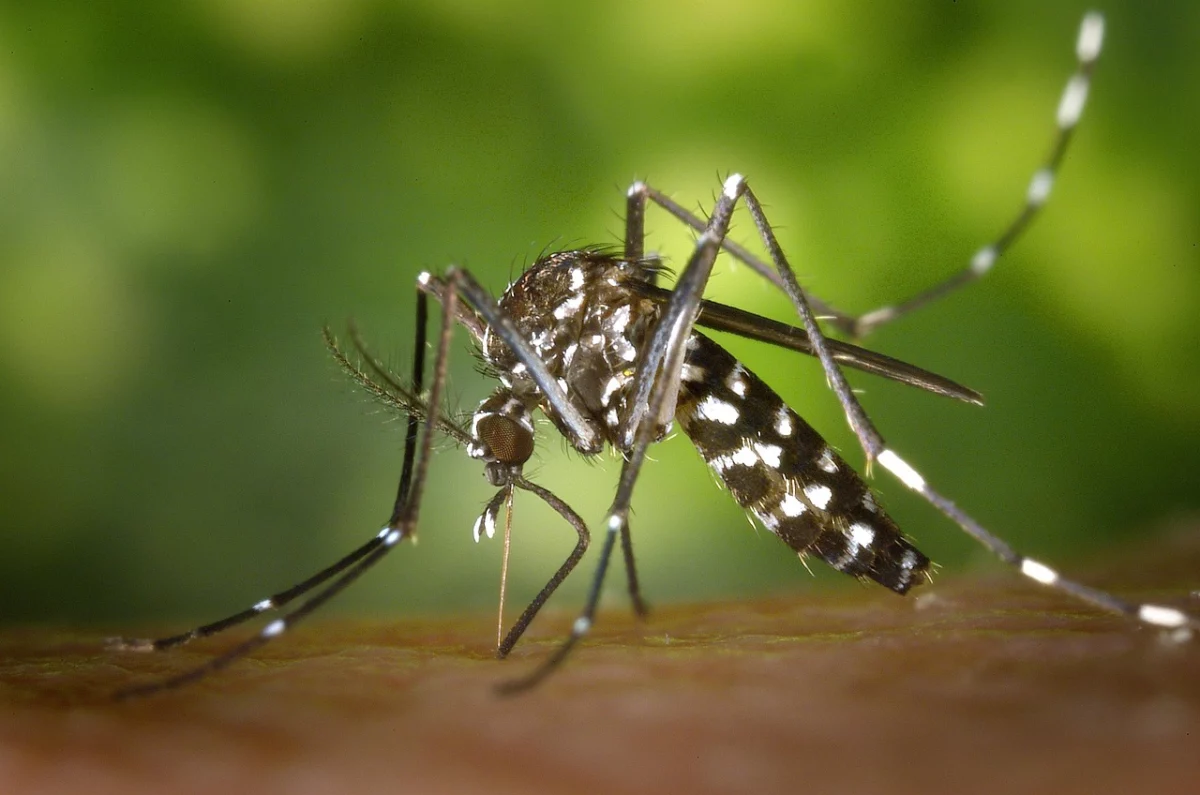
When a single mosquito can travel far enough to turn an airport shift into a medical emergency, the event stops being
Frequently Asked Questions
How can one imported mosquito trigger a malaria outbreak near an airport?
A single mosquito alone may not cause an outbreak, but it can introduce malaria parasites into a local area if it bites an already infected person (or if infected individuals arrive). If local conditions support the mosquito species and ongoing transmission, the initial case(s) can expand. Airports concentrate travelers, overnight stays, and vector-friendly microenvironments, increasing the chance of unnoticed transmission chains.
Does “imported mosquito” mean malaria was already present in the airport country?
Not necessarily. “Imported mosquitoes” usually means vectors or infected mosquitoes arrived via travel routes (including aircraft cargo or passengers’ luggage). Malaria parasites might not be circulating locally at a high level, but the presence of receptive mosquito species, suitable temperatures, and an infected host can enable local transmission. The key question is whether competent vectors and environmental conditions are present to sustain spread.
What should airport authorities do immediately after detecting a possible vector-borne cluster?
They should activate a defined incident plan: rapid risk assessment, prompt case detection and testing, and targeted vector surveillance around aircraft stands, cargo areas, and nearby resting sites. Coordinating with public health agencies is crucial for contact tracing and timely treatment. At the same time, implement focused measures like eliminating standing water, reinforcing screening for incoming aircraft, and ensuring staff use bite prevention during investigations.
Why are surveillance and reporting more important than one-time “spraying” after such events?
Because the goal is to catch transmission early and confirm whether conditions are enabling spread. Vector control that happens once may reduce mosquito numbers but can’t verify whether infected individuals or vectors persist. Consistent monitoring—species identification, trapping results, and human case trends—helps determine whether the outbreak is contained or still developing, guiding proportionate interventions rather than repeated, potentially ineffective actions.
How can travelers reduce the risk of becoming part of a transmission chain at or near airports?
Travelers should use bite prevention, especially during evening and early night periods when many malaria-transmitting mosquitoes are most active. That includes repellent on exposed skin, wearing long sleeves and trousers, and using screened accommodations when available. If a traveler develops fever after returning from or connecting through endemic regions, they should seek medical care promptly and mention travel history to speed up diagnosis and treatment.
What prevention steps are most effective for airport “vector preparedness” beyond standard hygiene?
Effective preparedness combines environmental management with operational controls: routine inspection and elimination of standing water, maintenance of drainage systems, and monitoring of known mosquito breeding hotspots. Operational measures can include aircraft-related vector checks for cargo and exterior surfaces, staff training on recognition and reporting, and data sharing with public health teams. The emphasis is on reducing vector habitat while strengthening early detection of human cases.