
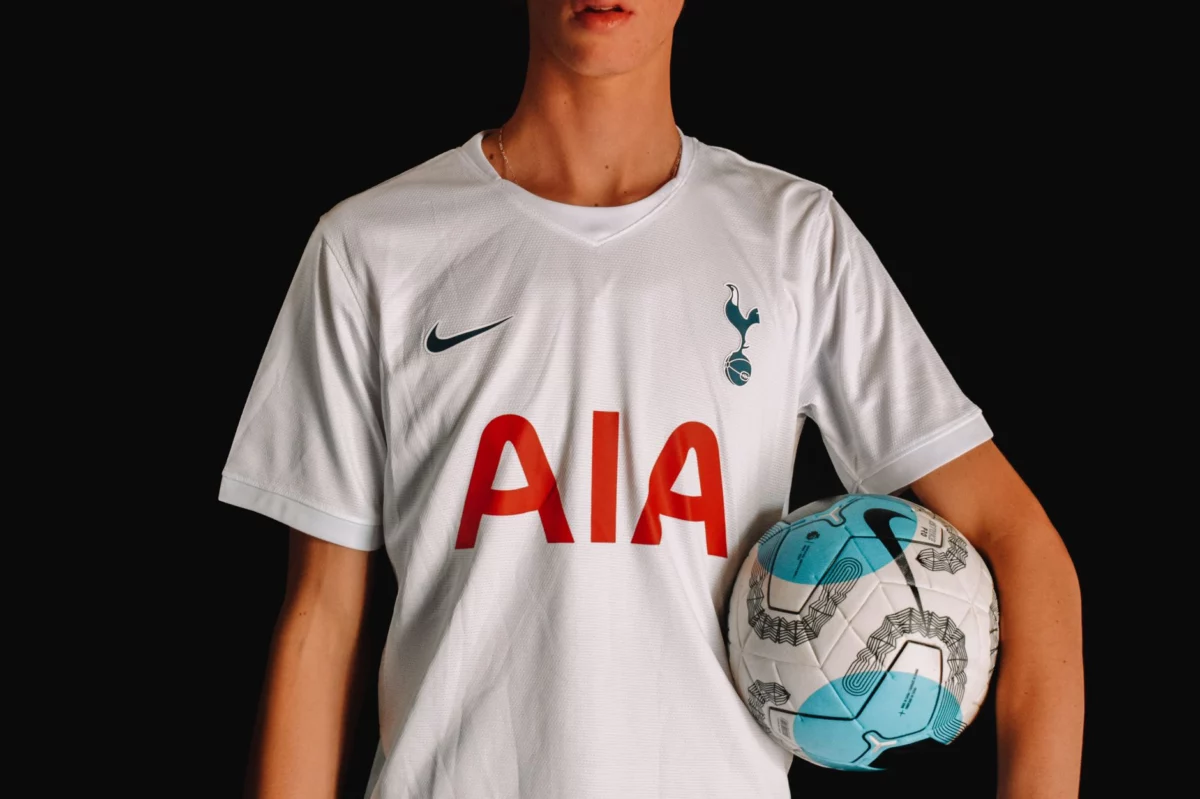
Savio’s debut goal for Tottenham in the Carabao Cup against Charlton was more than a feel-good headline: it exposed how cup football can compress confidence, accelerate team chemistry, and turn managerial rotation into an attacking advantage. This article dissects the match through an analytical, critic’s lens—what the result likely signals tactically, what it might mask, and what Spurs should test next if they want their
Frequently Asked Questions
What does Savio’s debut goal suggest about Tottenham’s attacking setup in the Carabao Cup?
A debut goal usually indicates more than luck: it reflects that the player is being integrated into the right zones early enough to threaten quickly. In cup games, compressed urgency can sharpen movement and decision-making, so Savio likely benefited from Tottenham’s ability to create quick attacking patterns rather than slow, rehearsed build-up.
How can a cup match “compress confidence” compared with league football?
Cup football often demands faster impact because there’s less time to recover from mistakes and fewer opportunities to rotate without consequence. When a team scores early, pressure flips: confidence rises, risk-taking increases, and players accept slightly sharper choices in possession. Savio’s start plus Tottenham’s control likely reinforced that momentum quickly.
Does managerial rotation automatically help Spurs, or can it backfire tactically?
Rotation can help when it’s structured—using fresh legs while keeping the same core attacking principles and spacing. It can backfire if rotations break key passing rhythms or defensive coordination. The win suggests Spurs’ changes weren’t random; instead, they may have preserved tempo and role clarity long enough for attacking threats to sync.
What might this result mask about Tottenham’s performance against stronger opponents?
A comfortable cup win can hide vulnerabilities because the opponent’s intensity, pressing quality, and transitional danger may be lower than what top-tier teams provide. Charlton may not have forced Spurs into the same defensive dilemmas or punished poor turnovers as relentlessly. Spurs should treat it as a confidence boost, not a final verdict on their ceiling.
What should Spurs test next to confirm that “team chemistry” is actually improving?
To validate chemistry, Spurs should measure consistency in the attacking sequences that led to the debut moment: timing of runs, first-touch reliability under pressure, and how quickly they reorganize after losing the ball. The next test should also evaluate whether rotating players maintain those patterns together, not just in isolated phases.
Why is a Carabao Cup debut such a big deal for a young or new player like Savio?
Debuts can shape how a player’s confidence interacts with the team’s trust. Scoring quickly reduces friction—teammates expect more, the player takes safer first decisions, and coaches can justify continued involvement. Cup settings also expose different tactical demands, such as faster transitions and clearer roles, which can accelerate adjustment even if the opponent is not at the highest level.