
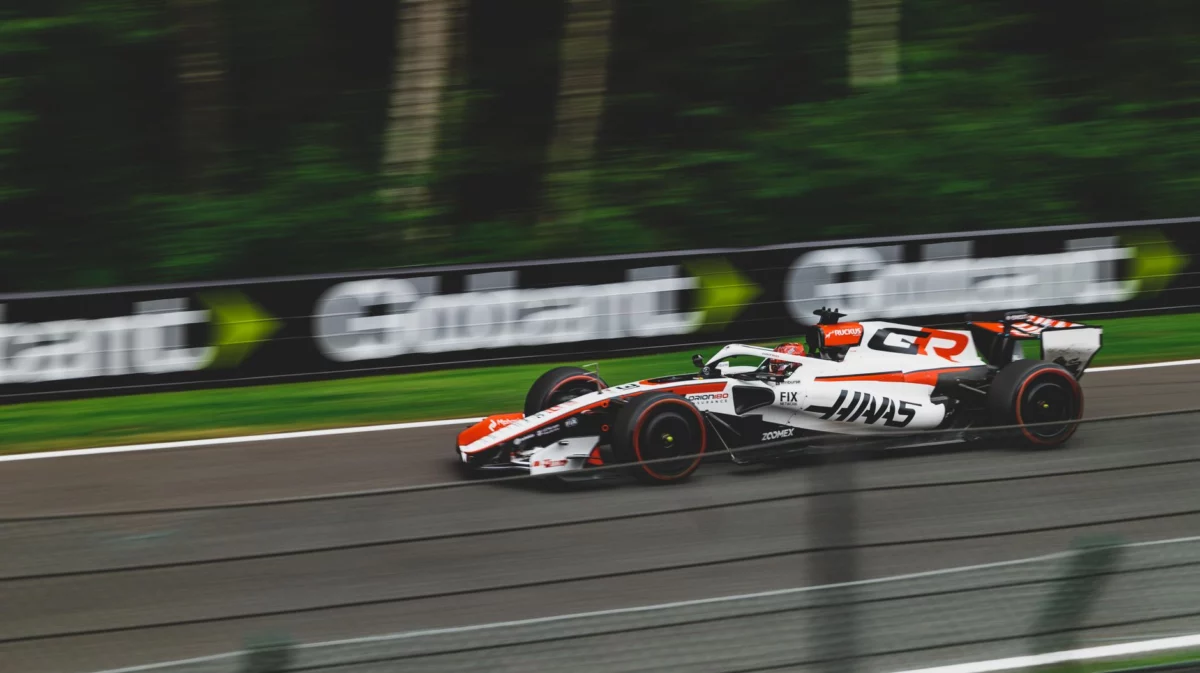
The Italian Grand Prix can turn qualifying into a referendum on fundamentals: traction, confidence, and the ability to convert a single lap into a long weekend narrative. In that context, the report that Pierre Gasly shock pole at the Italian Grand Prix and ultimately denied George Russell the fast lap is more than a headline. It’s a diagnostic—an indicator of where performance truly came from, and where it might vanish when the race introduces tire management, traffic, and strategic constraint.
This article dissects the result with an analytical, critical lens: not just
Frequently Asked Questions
What does “shock pole” mean at the Italian Grand Prix, and why is it significant?
“Shock pole” means a driver wins pole in an unexpected way, usually outperforming teams or drivers who were presumed stronger on that weekend. At Monza, qualifying often exposes the car’s traction, braking stability, and confidence. A surprising pole is a signal that performance can come from a specific setup win, not just overall season pace.
How can Pierre Gasly’s pole “deny” George Russell the fast lap?
Fast laps in qualifying depend on track evolution, car balance at the right moment, and clean air for a single flyer. If Gasly secures pole with a superior lap window—better traction off slower sections and stronger stability under braking—Russell may struggle to find the same conditions. Even small timing or traffic differences can prevent matching that pace.
Why does the article emphasize traction and confidence as “fundamentals” in qualifying?
Traction and confidence determine how quickly a driver can accelerate and how late they can brake repeatedly on one lap. In a place like Italy, where small grip changes swing lap times, a car that inspires confidence helps the driver commit to throttle earlier and hold the line. That converts directly into tenths—or missing them entirely.
Is qualifying at Monza really a reliable indicator for what happens during the race?
It’s informative, but not definitive. Pole-winning pace often comes from maximizing performance on one lap, while races introduce tire management, traffic, and strategic constraints. A driver may have a car that looks dominant in qualifying yet fades when compounds overheat or when longer stints reduce grip. Still, the qualifying result is a valuable baseline.
What role do tire management and traffic play after a “one-lap referendum” in qualifying?
Tire management affects grip consistency and braking feel over stints, which can erase advantages created by qualifying-spec setup. Traffic can also break a driver’s rhythm by forcing different lines or dirty air exposure. Even if someone had the fastest qualifying lap, these factors determine whether they can defend positions and maintain speed through changing conditions.
Could Russell have improved regardless of Gasly’s pace, or was it mainly about conditions?
Without specific telemetry and session context, it’s hard to be absolute, but outcomes usually come from a mix. Russell could have improved with a better timing window, sharper balance for traction, or fewer compromise sectors. However, if Gasly’s lap was supported by strong grip and clean execution at the perfect moment, Russell’s margin to respond may have been extremely small.