
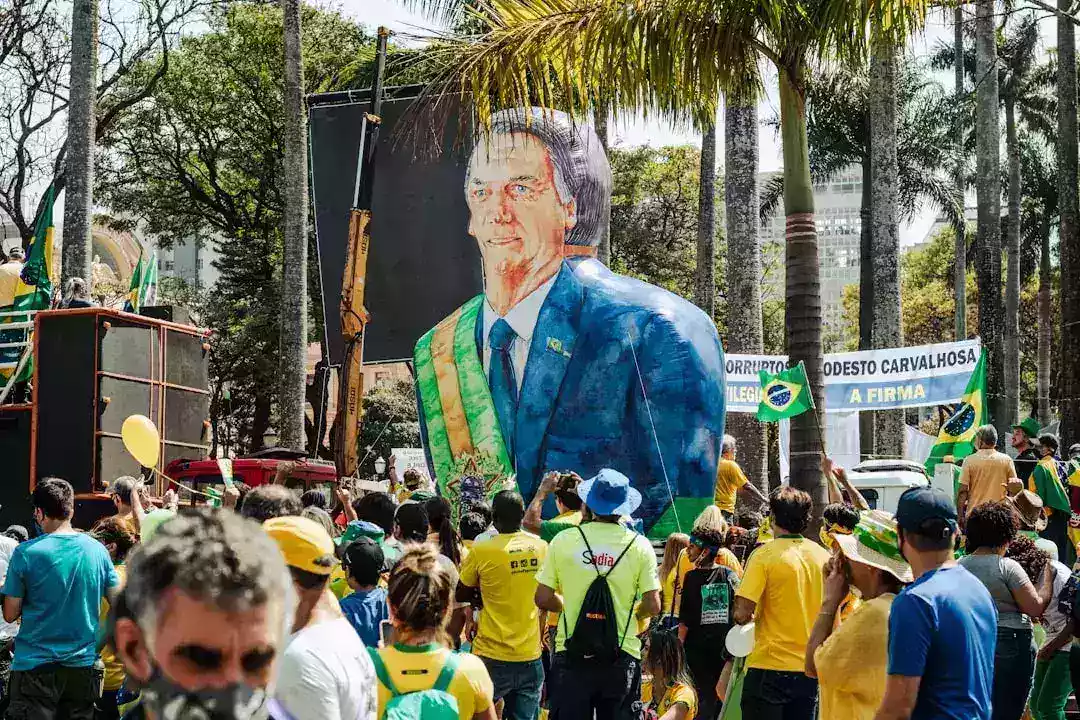
Brazil’s Independence Day arrives with an extra charge in the air: polls point to a Brazil presidential election tight race, and the country’s two leading candidates used the holiday spotlight to press their messages directly before voters heading into October. It’s a moment where nationalism, campaigning, and political math overlap—exactly the kind of convergence that can reshape momentum in a closely fought contest.
Brazil Presidential Election Tight Race on Independence Day: What Polls and Campaigns Reveal
In this article, we’ll unpack what a tight presidential race really means for campaign strategy, how opinion polling can influence voter perceptions, and why Independence Day political events can become more than ceremonial. We’ll also look at the institutions that shape modern Brazilian elections—so you can understand not just the headlines, but the mechanics underneath.
Why Brazil’s Independence Day has become a high-stakes political stage
Independence Day in Brazil is more than a date on the calendar—it’s a national narrative about identity, sovereignty, and the future direction of the country. For campaign teams, that narrative matters because voters often react emotionally to symbols, music, flags, and speeches that feel
Frequently Asked Questions
What does a “tight race” mean for Brazil’s presidential campaigns in practical terms?
A tight race usually means small changes in voter preferences can flip results, so campaigns focus on persuading undecided voters rather than relying only on their base. Messaging, event timing, and resource allocation become more data-driven, with quick adjustments to poll trends, regional outreach, and debate or media strategy to avoid momentum loss late in the campaign.
How can Independence Day events affect voter perception beyond the symbolism?
Independence Day events can shape perception because they frame candidates as aligned with national identity and priorities. Speeches and public appearances may be interpreted as signals about competence, unity, and direction for sovereignty. In a close contest, even minor shifts in how voters interpret these cues can influence whether people view a candidate as trustworthy and capable.
Do polls in a tight race change voters’ decisions, or do they mainly reflect them?
Polls can do both. They reflect underlying trends, but they may also affect voter behavior by influencing expectations—some voters become more confident and turn out, while others may decide to support the “safer” option. Campaigns also use polls to target persuasion efforts, which can further alter outcomes.
Why do campaigns emphasize messaging right before key dates like Independence Day?
Campaigns use major public moments to compress attention and reach voters when media coverage is already high. Holiday visibility can amplify narratives about national identity and urgency, making it easier for candidates to reinforce themes consistently. In a tight race, that timing can help lock in impressions before voters settle into final choices.
Which institutions or electoral “mechanics” matter most for understanding Brazil’s election dynamics?
Understanding Brazil’s election requires looking at the systems and rules that structure competition—such as how votes are counted, how candidates are regulated, and how official electoral institutions oversee the process. These mechanics shape campaign planning and voter trust, affecting how polling data is interpreted and how strategies translate into actual votes.
What should readers watch for in polls when the election is close?
In a tight race, readers should look beyond headline numbers and check margins, sample assumptions, and whether polls measure similar voter groups over time. Pay attention to consistency across different polling firms and to shifts in support among undecided or swing voters. Large spikes from one poll without confirmation are often less reliable.