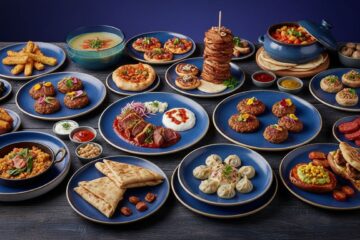
How Turkish street eats are being reinvented for plant-based and fine-dining diners
Turkish street food has long been loved for its warmth, generosity and unmistakable flavour. From bustling ferries and market lanes in Istanbul to neighbourhood bakeries and lokantas across the country, classics such as meze plates, stuffed vegetables, pide and seasonal snacks have always reflected everyday life as much as culinary tradition. What is changing now is not the soul of these foods, but the way they are being presented to new audiences.
Across Turkey, and especially in Istanbul, chefs are showing that familiar street-side tastes can move comfortably into plant-based and fine-dining spaces. Michelin’s current view of the city makes this especially clear: vegetable-led cooking is no longer a niche idea, but an important part of how modern Turkish cuisine is being understood, celebrated and refined. For readers in the UK who follow Turkish food, culture and business, this shift is both exciting and deeply rooted in tradition.
Why Turkish street eats adapt so naturally to plant-based dining
One reason this reinvention feels so convincing is that Turkish cuisine already has a strong plant-forward foundation. Michelin has highlighted how Istanbul’s meyhane culture often revolves around cheese meze, eggplant meze, yoghurt-based dishes, olive oil vegetables and legume-rich plates. In other words, many of the building blocks needed for modern plant-based dining have been present for generations.
That matters because chefs do not have to invent an entirely new language to create meat-free versions of Turkish street eats. They can draw from dolmas, salads, braised vegetables, bean dishes, chickpea preparations and herb-led meze that people already recognise and enjoy. Instead of replacing tradition, plant-based cooking often reveals how much of Turkish food has always been about texture, seasonality and balance.
For diners in the UK, this is also a useful reminder that Turkish food is much broader than the common kebab-only stereotype. Anyone exploring Turkish businesses, restaurants or catering services can now see a richer picture: one where vegetables, pulses and olive oil dishes are central to the table, not an afterthought.
How Michelin is reshaping the conversation around Turkish cuisine
Michelin’s coverage has helped give this movement wider visibility. In its debut material on Istanbul, the guide explicitly described the city’s culinary identity through dishes such as dolmas, mezzes and salads, even referring to plant-based recipes as standard bearers of the cuisine. That is a significant shift in framing, because it places vegetable-led Turkish cooking at the heart of the story rather than on the margins.
The Michelin map in Istanbul now includes several restaurants where mezze and vegetables play leading roles. Aheste is recognised for its modern take on mezze with vegetarian options, Karaköy Lokantası is associated with meze, sharing dishes and traditional specialties, and Atölye brings together spicy mezze, hummus, pide and fine wines. Together, these examples show that upscale Turkish dining is increasingly comfortable with dishes that feel rooted in casual eating and sharing culture.
For Turkish businesses and hospitality operators, this recognition has practical importance too. It suggests that authenticity and innovation can work side by side. A restaurant does not need to abandon familiar ingredients or classic formats to feel contemporary; often, it simply needs to present them with greater care, stronger sourcing and a more refined sense of seasonality.
Telezzüz and the rise of street-food inspiration with fine-dining execution
Among the clearest examples of this trend is telezzüz, which Michelin presents as an explicitly vegan restaurant with a zero-waste, plant-forward philosophy. The restaurant has become a standout case of how Turkish street eats are being reinvented for plant-based and fine-dining diners, taking the spirit of local, everyday ingredients and translating them into a highly considered tasting experience.
Michelin notes that telezzüz works with local sourcing, seasonal menus, rainwater reuse, composting and reusable or recycled materials. That level of environmental attention matters because it mirrors a broader return to ingredient respect. Traditional street food has always depended on what is fresh, affordable and available; fine dining in this new Turkish mode often returns to the same logic, just with more technical precision and storytelling.
Dishes such as mushroom ceviche and deep-fried artichoke with mushroom ketchup show how familiar produce can be elevated without losing personality. These plates may sound modern and polished, but they still echo the spontaneity of market cooking and snack culture. The result is not a copy of street food, but a sophisticated conversation with it.
Seasonal street produce is finding a new luxury language
Another important part of this reinvention is the growing focus on produce once associated mainly with daily shopping and street vendors. Michelin’s writing on the “rejuvenating tastes of Istanbul” points to travelling artichoke and broad bean sellers on street corners, reminding us that the city’s food culture has always been shaped by seasonality in plain sight. What chefs are doing now is bringing that same seasonal produce into more composed and elegant dishes.
Ingredients such as purslane, beans, tulum cheese and almonds are appearing in refined plates that still feel deeply local. This is where Turkish fine dining becomes especially interesting: luxury is not defined only by rarity or imported products, but by attention to timing, freshness and regional identity. An artichoke or broad bean, when treated thoughtfully, can carry just as much prestige as a more traditionally “premium” ingredient.
This approach also strengthens the connection between restaurant dining and the wider community. Farmers, market traders and small-scale suppliers become part of the culinary story. For a community-focused audience in the UK, that idea may resonate strongly, especially for those promoting Turkish food businesses that want to stand out through provenance, seasonal menus and a clear cultural identity.
Lighter menus are changing what upscale Turkish dining looks like
There is also a broader stylistic shift underway in Istanbul’s leading restaurants. Fine dining in the city is increasingly being defined by lighter, vegetable-centred menus rather than by heavy, meat-only classics. Michelin’s description of Yeni Lokanta captures this well, praising its fresher, lighter take on Turkish flavours and its focus on vegetables, local produce and Turkish wines.
This does not mean meat disappears from Turkish fine dining altogether. Instead, it means vegetables are no longer treated as secondary. They are being given structure, attention and creative depth, often becoming the main event. That opens the door for reinterpretations of street-style dishes, where charred vegetables, legumes, herbs and breads can be arranged with the same seriousness once reserved for protein-led plates.
For diners, the result is a more flexible and inviting version of Turkish hospitality. Plant-based eaters, curious food tourists and fine-dining regulars can all find common ground in menus that feel recognisably Turkish yet modern in pace and presentation. It is a model that can inspire restaurants beyond Turkey too, including Turkish-led venues across the UK.
What this means for Turkish restaurants and food entrepreneurs in the UK
For Turkish restaurateurs, caterers and food entrepreneurs in Britain, these changes offer more than inspiration from afar. They suggest a practical direction for menu development and branding. A business can draw on classics such as meze, stuffed vegetables, breads, legumes and seasonal produce, then present them in a way that appeals to vegan diners, health-conscious customers and guests looking for a premium experience.
There is also a strong storytelling advantage. Customers increasingly want to know where ingredients come from, how dishes connect to regional traditions and why a menu feels distinctive. The current Michelin selection in Turkey, including its 2025 emphasis on terroir, seasonality, local sourcing and community links, shows that these values are becoming central to how quality is judged. That aligns well with small businesses that already have trusted supplier networks and close ties to their communities.
Even better, this evolution is not limited to Istanbul alone. Michelin has announced that Cappadocia will join the guide for the 2026 selection alongside İstanbul, İzmir and Muğla, signalling that culinary innovation is spreading across regions. For the wider Turkish community and for UK audiences interested in Turkish culture, that means more regional stories, ingredients and styles are likely to influence the next generation of menus.
The bigger picture is that Turkish street food is not being replaced by fine dining; it is being re-read through a new lens. Chefs are taking the generosity, seasonality and everyday familiarity of Turkish street eats and showing that these qualities belong just as naturally in elegant dining rooms as they do in lively neighbourhood settings. Plant-based cooking has become one of the clearest ways to express that shift, because it draws so directly from the cuisine’s existing strengths.
As global dining trends continue to reward heritage, sustainability and vegetable-led creativity, Turkey is well placed to lead rather than follow. For readers, diners and business owners in the UK, this is a useful moment to look again at Turkish food with fresh eyes. The future of Turkish cuisine may be refined, seasonal and plant-forward, but it still tastes unmistakably of home, community and place.