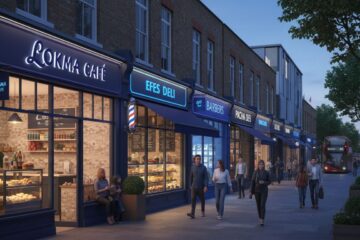
How Anatolian restaurant openings and local directories are reshaping neighbourhood services
Across the UK, new Anatolian restaurant openings are doing more than adding another place to eat. They are increasingly shaping how people discover a whole neighbourhood’s services, from nearby grocers and barbers to accountants, florists, and cultural venues. As local search becomes a daily habit, a well-presented restaurant listing can act as a digital front door not only for one business, but for the wider community around it.
That shift matters for Turkish business owners and for anyone looking for trusted local services. Google has made clear that Business Profiles and local search results draw on a mix of business-owner information, public web content, third-party licensed data, and user contributions. In simple terms, that means local directories, map platforms, and review ecosystems now play a real role in deciding which neighbourhood businesses get seen first and which remain hidden.
Anatolian restaurants as neighbourhood anchors
Anatolian restaurants often become natural meeting points in local communities. They attract families, workers on lunch breaks, students, and visitors who may then explore nearby services before or after their meal. In many UK neighbourhoods, a successful restaurant opening can quickly create more awareness around the Turkish businesses clustered nearby.
This is especially true because food is one of the most searched local categories online. When a new restaurant appears in Google Search, Google Maps, Apple Maps, or trusted local directories, it can introduce people to an area in a way that few other businesses can. A person searching for grilled meats, breakfast, or regional Turkish dishes may end up discovering a Turkish bakery, solicitor, supermarket, or travel agent just streets away.
That is why restaurant openings now have a wider service impact. They are no longer only hospitality events. They can become discovery engines for the surrounding high street, helping to reshape neighbourhood habits and footfall patterns through both online visibility and offline visits.
Why directories matter more than ever
For many users, a directory is no longer just a static list of names and phone numbers. It is a decision-making tool. Google’s restaurant guidance highlights how a Business Profile helps owners manage important details such as address, opening hours, delivery, takeout, pickup, and service-area information. Those details are exactly what users rely on when deciding where to go and what nearby services may also be worth visiting.
Google also notes that local business information appears using multiple sources, including owner-submitted data, public web content, third-party data, and user contributions. This gives directories an important place in the local visibility chain. If a Turkish or Anatolian business is accurately represented across trusted platforms, it strengthens the chances of being surfaced when people search locally.
For neighbourhoods with growing Turkish business communities, this creates a major opportunity. A directory that connects restaurants with other professional and cultural listings can help users move from one need to another. Someone looking for dinner may end up finding a local Turkish accountant, dentist, language tutor, or event service because the directory experience encourages broader exploration.
How local search changes neighbourhood service discovery
Google Maps explains that local ranking is driven mainly by relevance, distance, and prominence. That means a new Anatolian restaurant does not need to be the oldest business in the area to become visible. If its listing is complete, its category signals are clear, and it earns strong reviews and mentions, it can quickly become prominent in local results and influence where users go.
Prominence is especially important because it often grows through reviews, citations, photos, press mentions, and consistent business details across the web. In practice, this means that a restaurant’s digital presence can directly affect how much neighbourhood attention it receives. A strong online launch can turn a new opening into a recognised local reference point much faster than traditional word of mouth alone.
Once that happens, neighbouring services benefit from spillover discovery. People searching map results often browse the surrounding area, click nearby businesses, save places for later, or make a full outing of their visit. A visible Anatolian restaurant can therefore help reposition an entire street or district as active, welcoming, and worth exploring.
The growing role of structured listings and complete profiles
Google Search Central has said that local business structured data can help restaurant listings appear in Search and Maps, including knowledge panels and local carousel experiences. That detail is easy to overlook, but it shows how structured listings and organised business data support neighbourhood discovery. Good information architecture is no longer just a technical issue; it is part of how communities become visible online.
For restaurant owners, this means completeness matters. Menu links, photos, categories, booking options, opening hours, and service details all help users choose a venue. Google’s own restaurant profile guidance frames Search and Maps as places where customers find and choose restaurants based on menu, photos, and more. That gives new openings a direct route into local decision-making at exactly the moment users are ready to act.
For directories serving the Turkish community, the lesson is clear. High-quality listings should not stop at a business name and phone number. They should support rich profiles that make discovery easier and more trustworthy. The more complete the profile, the more likely that a restaurant becomes part of a wider local service journey rather than a single isolated search result.
Reviews, curation, and trust in local platforms
Maps and directories are increasingly becoming curated discovery platforms rather than simple navigation tools. Apple announced in 2025 that Apple Maps now includes expert ratings and reviews from sources such as Michelin Guide and The Infatuation. This signals a broader shift: users are being guided not just by proximity, but by layers of editorial and community trust.
That trend changes the way Anatolian restaurant openings can influence neighbourhood services. A highly rated or positively reviewed opening can raise curiosity about the surrounding area and encourage broader local exploration. When users trust what they see on a map or directory, they are more likely to visit nearby shops, book services, and return regularly.
It also raises the standard for business owners. Review quality, responsiveness, imagery, and listing consistency now help define whether a business feels credible. In a neighbourhood context, one well-managed restaurant profile can improve perceptions of the wider local business scene, especially where many independent Turkish businesses benefit from shared reputation and cross-traffic.
From dining listing to local ecosystem
Yelp’s restaurant marketing guidance points to the value of local SEO keywords and cross-business neighbourhood marketing. That idea is highly relevant for Anatolian restaurant openings. A restaurant can become a local ecosystem player by partnering with dessert shops, bakers, event venues, markets, and nearby professionals in content, promotions, and directory visibility.
In practical terms, this can look like shared neighbourhood guides, local event tie-ins, and reciprocal mentions across listings and social channels. A restaurant that is known for Turkish breakfast might naturally connect users to a nearby grocery selling regional ingredients, or to a local business hosting cultural evenings. The directory becomes the bridge that helps these connections happen online before they happen in person.
This wider role matters because Apple and Google increasingly combine listings with ratings, reviews, bookings, and service details. That means the customer journey often starts long before someone arrives at the door. The restaurant is not just competing for a meal purchase; it is helping shape where people walk, what they book next, and which neighbourhood services they come to trust.
What this means for Turkish business owners in the UK
For Turkish business owners, the message is encouraging. A new Anatolian restaurant opening can create momentum that benefits more than one business, but that momentum needs to be supported by accurate listings, strong visuals, fresh reviews, and presence across trusted platforms. Physical location still matters, but digital completeness now plays an equally important role in neighbourhood visibility.
Business owners should think of directories as active community assets. A well-maintained listing can help customers understand not only what a business offers, but how it fits into local life. For newer businesses, this can reduce the gap between opening day and sustainable visibility. For established businesses, it can strengthen long-term prominence in local search and map results.
There is also a cultural opportunity here. Turkish directories and community-focused platforms can present businesses within a richer story of place, identity, and service. That makes discovery more meaningful for both Turkish users and the wider public. A restaurant opening can become an introduction to Anatolian food, but also to the professionals, shops, events, and cultural connections that make a neighbourhood feel alive.
In the end, Anatolian restaurant openings are reshaping neighbourhood services because they sit at the meeting point of food, community, and digital discovery. As map platforms and directories become more influential, visibility is increasingly determined by profile quality, review signals, structured information, and how clearly a business is connected to the local area.
For communities across the UK, that creates a real chance to strengthen local networks. When restaurants, directories, and nearby services work together, they make neighbourhoods easier to discover, easier to trust, and more rewarding to explore. For Turkish businesses in particular, this is not just about being found online. It is about building stronger local presence, shared visibility, and lasting community value.