
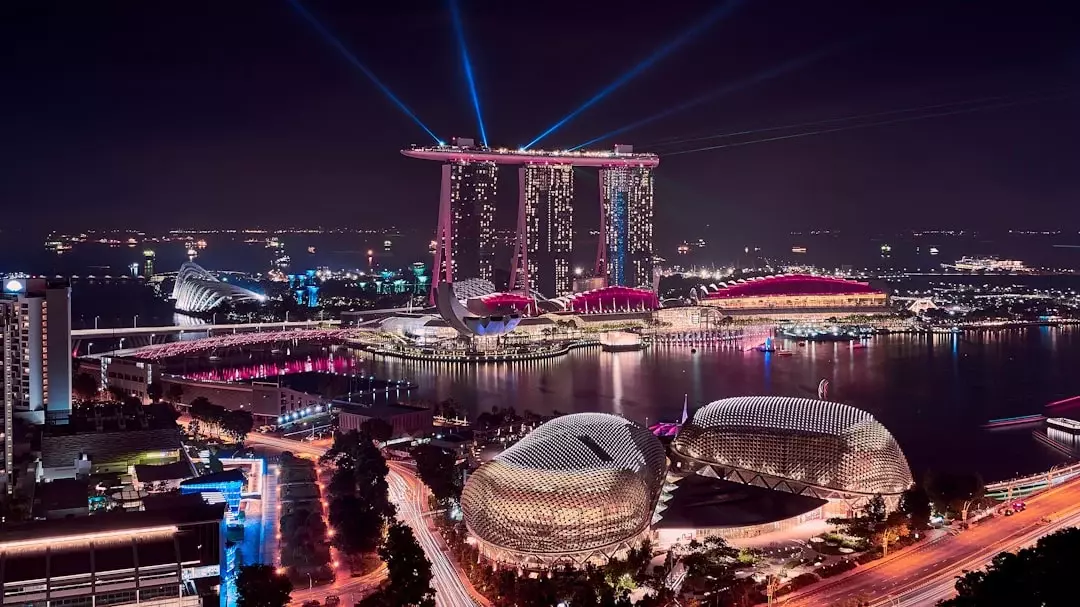
The headline under-£1,650 Singapore Grand Prix travel packages deserve scrutiny because they bundle the three most volatile costs of a Formula One weekend: flights, race access and a central hotel. For a night race staged on the Marina Bay Street Circuit, the difference between a fair price and a padded one is usually hidden in ticket tier, baggage rules and hotel location rather than the advertised total.
That matters because Singapore is not a normal weekend city break. It is a compact, premium destination with intense hotel demand, a global visitor base and a race that has become one of the most recognisable fixtures on the Grand Prix calendar. A package can be efficient, but it can also disguise weak seats or inconvenient logistics. The useful question is not whether the deal looks cheap; it is whether it delivers the right mix of convenience, sightlines and flexibility.
What the package price is really buying
In most cases, a Singapore Grand Prix deal is not just a travel booking. It is a controlled bundle of inventory: airline seats, hotel allotments and race tickets locked together by a tour operator. That structure can lower friction, but it also limits choice. If the operator secured better hotel stock early, a late buyer may benefit. If the package is clearing unsold space, the deal may still be useful, but only if the ticket and room are genuinely acceptable.
This is why the same headline price can mean very different things. A four-star hotel near a transport link and a mid-tier grandstand are not the same product as a distant hotel with a vague ticket description. For fans of motorsport, the real value lies in turning a complex trip into a single transaction without sacrificing the parts that matter most.
| Package element | What to verify | Why it matters |
|---|---|---|
| Flights | Baggage allowance, departure airport, overnight timing, change rules | Long-haul savings disappear fast if luggage and seat selection are extra |
| Hotel | Exact property, distance to MRT or circuit, breakfast, cancellation terms | Location affects taxi cost, sleep quality and race-day logistics |
| Race ticket | Grandstand name, viewing angle, day access, transferable entry conditions | The wrong seat can make a premium price poor value |
| Transfers | Airport-hotel and hotel-circuit transport, night return policy | Singapore is efficient, but race-night crowd flow still matters |
Why Singapore commands a premium
The Singapore race is expensive for structural reasons, not because operators are simply adding margin. The event sits inside a city-state that is built for business, tourism and high service standards. Singapore has strong global air connectivity through Changi Airport, but that also means the destination attracts both leisure travellers and corporate demand at the same time. Once the Singapore Grand Prix dates are fixed, room rates and flight prices can tighten quickly.
There is also the event format itself. The Marina Bay race is a street circuit rather than a permanent racing venue, which means infrastructure is temporary, access is managed carefully and surrounding roads become part of the show. That creates atmosphere, but it also creates scarcity. A hotel in or near Marina Bay becomes more valuable than its star rating alone suggests because proximity saves time when the track is crowded and the city is busy.
The event’s appeal is amplified by the fact that it is a true urban spectacle. The city lights, the floodlit circuit and the late-evening schedule make it distinct from conventional daytime races. In practical terms, that means fans are not paying only for a seat. They are paying for a destination experience, which is why Singapore Grand Prix travel packages often price more like short luxury breaks than basic sports trips.
How to judge whether the ticket side is strong enough
Race tickets are where many buyers make the wrong assumption. Not all tickets deliver the same view, and not all views deliver the same value. In a high-demand event, the best package is not necessarily the one with the closest seat to the pit straight. It is the one that matches your priorities: overtaking zones, track panorama, atmosphere or comfort.
Singapore’s event is shaped by modern Formula One competition, where fans may care as much about the battle between teams such as McLaren, Ferrari and Red Bull Racing as they do about any individual driver. That matters because the best viewing position depends on how you want to experience the race: strategy, speed, braking or atmosphere. Even when names like Lewis Hamilton or Max Verstappen dominate the story, the physical view from the circuit still determines whether the ticket feels premium.
The package is valuable only if it secures the right ticket tier, a workable hotel location and clear baggage or transfer rules; otherwise the headline price is a distraction.
For first-time buyers, the most sensible approach is to treat the ticket description as a technical document. Look for the specific grandstand, whether the ticket includes all-day access or only race sessions, whether food and drinks are bundled, and whether you are buying a seat with sightlines or a seat with prestige. Those are not the same thing.
Why the hotel decision matters more than most buyers think
A four-star hotel sounds reassuring, but hotel stars are only a coarse signal. In Singapore, the more important question is whether the hotel works for a race weekend. A property near the Mass Rapid Transit network can be more useful than a slightly better-rated hotel with poor access. Likewise, a smaller room in a better location may outperform a larger room that adds an hour of travel after the race.
This is where the geography of the city becomes relevant. Singapore is compact, but compact does not mean frictionless. Race week crowds, taxi surges and late finishes can make short distances feel longer. A package that places you near the circuit, or at least near a reliable transport link, reduces the hidden costs of a weekend that runs late into the night. If you are booking a last-minute Singapore Grand Prix deal from the UK, the hotel should be judged as part of the experience, not as a generic overnight stop.
Check the small print on breakfast, check-in time, resort fees if any, and cancellation terms. A hotel can look acceptable on paper and still be poor value if it forces awkward arrival times or expensive taxi rides. The package is not just a room; it is the base from which the rest of the trip succeeds or fails.
When a last-minute booking is sensible
Last-minute deals are rational in specific cases. They are useful for flexible travellers who care more about attending the event than about controlling every variable. They also work when the operator has unsold inventory in a package that is already assembled well enough: a solid flight, a sensible hotel and a ticket with a clear view. In that scenario, the bundled price can be better than assembling the trip piece by piece.
They are less attractive when you need precision. If you want a particular grandstand, a specific airline, adjoining rooms or premium hospitality, last-minute purchasing reduces your leverage. The market for the Singapore race rewards early commitment and punishes indecision. That is especially true for visitors who want to align the trip with other plans in Southeast Asia or with strict annual leave windows.
There is also an operational factor. Singapore’s tourism machine is efficient, but demand peaks create bottlenecks. Singapore is set up to handle visitors well, yet the event weekend still compresses supply. A last-minute offer can therefore be a genuine opening or simply a leftover product. Distinguishing between the two requires checking the ticket category, hotel identity and flight rules carefully.
How to book Singapore Grand Prix travel packages without buying blind
The fastest way to avoid overpaying is to compare the package against the same trip booked separately. That sounds obvious, but buyers often compare against vague expectations rather than real numbers. Use official event sources first, then price the hotel and flight. The race dates and general event structure should be checked on the official Formula 1 site and the official Singapore GP website. Entry and passport questions should be checked against the Singapore government’s Immigration & Checkpoints Authority.
- Identify the exact ticket category and grandstand, not just the race weekend.
- Check whether hold luggage, seat selection and transfers are included.
- Confirm the hotel name, not just the star rating.
- Map the hotel to the circuit and to the nearest rail station.
- Read the cancellation, amendment and refund terms before paying.
- Compare the package cost with separate flight, hotel and ticket pricing.
This is also the moment to think about risk. A non-refundable package can still be worthwhile if it is materially cheaper, but only if you are comfortable with the trade-off. Travel insurance matters more than usual on a long-haul sports trip, because flight changes, weather disruption and timetable shifts can quickly destroy the economics of a bargain.
Is a Singapore Grand Prix package worth it?
For most fans, the answer is yes only when the package solves a real problem. If it secures a good seat, a practical hotel and a coherent schedule, it is a sensible way to experience one of the most distinctive events in modern Formula One. If it merely bundles expensive parts together without clarity, it is poor value dressed up as convenience.
The strongest packages tend to be those that reduce decision fatigue. They work because they standardise a complex trip: one payment, one itinerary, one point of contact. That is especially useful in a destination like Singapore, where the event atmosphere, the city lights and the late-night race format are all part of the draw. But convenience should never excuse vagueness. The more expensive the trip, the more exact the details need to be.
Fans often focus on the circuit because that is the visible product, yet the invisible product is logistics. A package that gets you from airport to hotel to track and back again without stress can be worth more than a marginally cheaper do-it-yourself option. A package that fails on any of those points is not a deal; it is an expensive shortcut.
FAQ: Singapore Grand Prix travel packages
How much should a Singapore Grand Prix travel package cost?
It depends on departure city, hotel standard, ticket tier and baggage rules. A headline price under £1,650 can be competitive, but only if the ticket and hotel are clearly specified and the flight conditions are reasonable.
Is a four-star hotel in Singapore good enough for race weekend?
Often yes, but location matters more than the label. A well-placed four-star hotel near transport can be better than a higher-rated property that adds time, cost and fatigue to the weekend.
What is the best ticket type for a first-time buyer?
Usually a grandstand with clear sightlines and easy access beats an ambiguous lower-price ticket. First-time buyers should prioritise visibility and comfort over prestige.
Can I rely on a last-minute Singapore Grand Prix deal?
Only if the package is transparent. Last-minute offers are useful when the operator has genuinely good unsold inventory, but they become risky when details are hidden behind a headline price.
What the next pricing cycle will reveal
The real test of the market is not whether one Singapore Grand Prix package appears below a psychologically neat threshold. It is whether demand keeps forcing operators to turn convenience into a premium product. If the event remains a strong draw for international visitors, especially around the floodlit city-circuit experience, the best deals will stay scarce and the weak ones will be easier to spot.
Watch the balance between flight capacity, hotel inventory and ticket release schedules. If airlines open more seats or hotels soften rates, packages can become more competitive. If not, last-minute bargains will continue to exist, but mostly as narrow windows rather than broad discounts. The unanswered question is simple: will future buyers keep paying for bundled certainty, or will more of them peel the trip apart and build their own version of the weekend? The answer will determine whether the headline price matters, or whether the real commodity is still the same one Singapore has always sold best: access to a rare event in a tightly constrained city.
Frequently Asked Questions
How can I tell if a last-minute Singapore Grand Prix package is genuinely good value, not just cheaply priced?
Check the full bundle, not the headline fare. A good-value package usually combines an exact race ticket tier, a centrally located hotel with easy MRT access, and flights with realistic baggage rules. If the room is far from Marina Bay or the ticket type is vague, the low price may simply reflect weaker components rather than a real saving.
Why does hotel location matter so much for the Singapore Grand Prix if the city is so efficient?
Singapore is efficient, but race week changes the usual travel calculus. Roads around Marina Bay get busier, taxi waits can rise after sessions, and late-night returns become less convenient. A hotel close to an MRT station or the circuit can save time, reduce stress after the race, and avoid extra transport costs that quickly erode any package discount.
Are all grandstand tickets in a Singapore package worth the same if the event is a night race?
No. At Marina Bay, sightlines vary a lot depending on the grandstand name and viewing angle. Some seats offer more overtaking action or better views of pit stops, while others are mainly scenic. A package can look premium overall, but if the ticket is a weaker tier, the actual race experience may be far below what the price suggests.
What hidden costs should I look for before booking a Singapore Grand Prix travel deal?
The most common extras are checked baggage, seat selection, hotel breakfast, cancellation flexibility and airport or circuit transfers. Because Singapore is a long-haul destination for many travellers, even one or two add-ons can significantly change the total cost. A package is only truly competitive if those extras are either included or clearly priced upfront.
Is a central hotel really worth paying more for if I’m only staying for the race weekend?
Often, yes. In Singapore, proximity can matter more than luxury level because it reduces time lost to transfers, makes late-night returns easier and improves the overall flow of a short trip. For a one-weekend visit, a well-located three- or four-star hotel can be better value than a higher-rated property that sits inconveniently far from Marina Bay.