
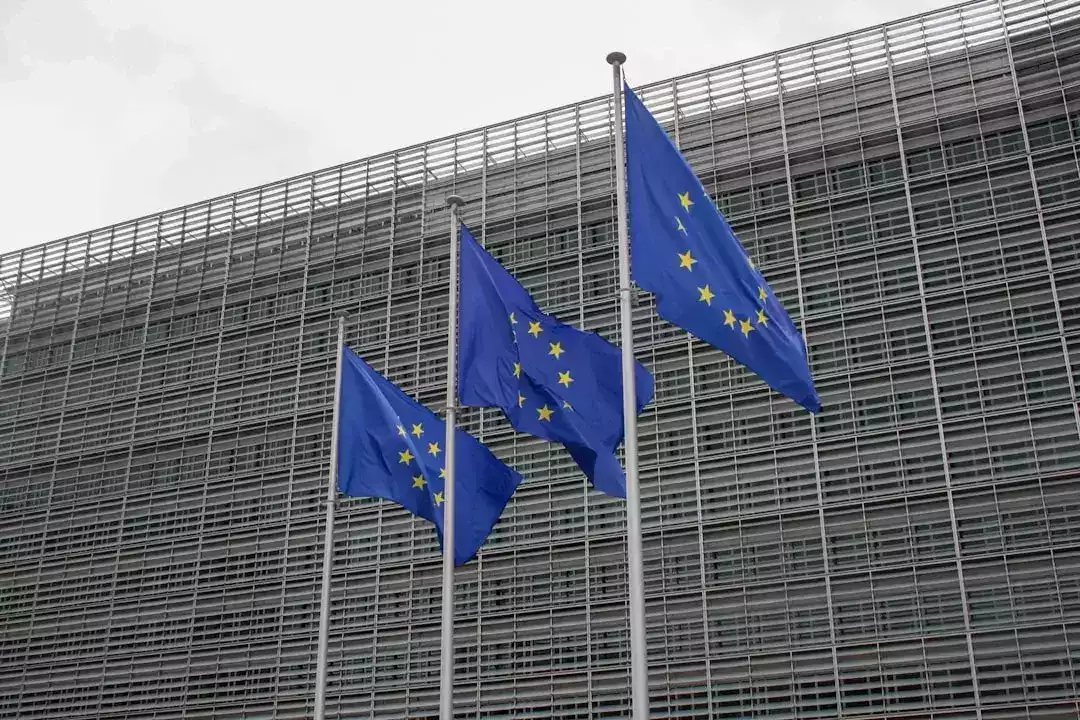
Across European capitals, one question is now taking center stage: how to fund the next long-term EU budget without turning every negotiation into a fight over who pays more. António Costa’s tour is pushing leaders toward new EU own resources taxes—fresh EU-wide levies designed to generate money inside the Union rather than simply asking national treasuries for more.
New EU own resources taxes: António Costa’s budget tour and the race to fund 2028–2034
For anyone tracking European fiscal politics, the drama matters. The EU is preparing its next Multiannual Financial Framework—a multi-year spending blueprint that shapes defense, competitiveness, cohesion, agriculture, and security priorities. And with elections looming across major member states in 2027, the time window for agreement is shrinking fast.
Background and context: why
Frequently Asked Questions
What are “new EU own resources” taxes, and how are they different from asking countries for more money?
New EU own resources taxes are EU-wide levies meant to generate revenue inside the Union itself. Instead of relying mainly on national treasuries to fill gaps through larger contributions, the EU would raise a share of its budget directly. The aim is to make funding more stable and reduce the recurring political friction of “who pays more” in each budget cycle.
Why is the EU suddenly racing to agree the budget for 2028–2034 now?
The EU’s next Multiannual Financial Framework covers spending priorities for multiple years, but the agreement window is shrinking. Elections across major member states in 2027 add uncertainty and can harden positions. That’s why leaders are pushing earlier discussions: delays risk turning the 2028–2034 package into a rushed compromise with less political room to adjust.
What is António Costa’s “budget tour” trying to achieve in practical terms?
António Costa’s tour is essentially political coordination: meeting leaders and aligning expectations before negotiations become harder. In this context, the goal is to build momentum toward agreement on new EU own resources taxes, so the next Multiannual Financial Framework can be financed without repeatedly reopening disputes over national payments.
Will new EU taxes automatically mean everyone pays more, or does the proposal change who bears the cost?
Not necessarily. The core idea is to shift part of the funding base from national treasury contributions toward EU-level revenue sources. That can change the distribution of costs between countries, depending on how the levies are designed and collected. The article highlights the goal of avoiding repeated “pay more” battles, not guaranteeing that burdens will rise for every group.
How do EU-level funds affect decisions on defense, competitiveness, cohesion, agriculture, and security?
Funding mechanisms shape what’s politically feasible in the Multiannual Financial Framework. If the EU can rely on predictable own resources, it may be easier to defend long-term spending plans in areas like defense, competitiveness, cohesion, agriculture, and security. Conversely, if financing depends heavily on additional national contributions, negotiations may prioritize budget cuts or trade-offs over strategic continuity.