
The Iran nuclear chief travel ban is more than a protocol wrinkle. When the head of the Atomic Energy Organization of Iran is expected to stay away from the annual gathering of the International Atomic Energy Agency in Vienna, the absence itself becomes a diplomatic signal. In the world of inspections, safeguards, and nuclear bargaining, who is missing from the room can be as revealing as what is said inside it.
That is why this report matters beyond the headline. It sits at the intersection of Iran‘s nuclear policy, the credibility of the United Nations-linked watchdog system, and the broader pressure points around Iran’s nuclear program. Even a single travel restriction can reshape how officials read the mood, the leverage, and the next move.
In nuclear diplomacy, a sealed door can be as revealing as an open microphone.
Why the Iran nuclear chief travel ban matters
The immediate practical effect is simple: fewer face-to-face interactions at a moment when personal contact can soften language, clarify intent, and prevent misunderstandings. The wider effect is harder to quantify but easier to feel. When an official from a state at the center of nuclear proliferation concerns is absent, the meeting takes on a sharper edge, especially if the absence is linked to international sanctions or other restrictions.
For Iran, appearances at multilateral forums are not just ceremonial. They are part of a long-running contest over legitimacy, technical cooperation, and political pressure. The language around Iran’s file has often moved between confrontation and engagement, with diplomacy competing against distrust. A travel ban does not end that contest, but it narrows the space for personal persuasion.
This is also why the story is being watched closely in the context of the broader Joint Comprehensive Plan of Action debate, even when the specific event is not formally about that agreement. Every absence, every withheld meeting, and every constrained delegation adds texture to the nuclear file.
What the IAEA General Conference does in Vienna
The annual IAEA General Conference is not a summit built for dramatic breakthroughs. It is a dense, technical, political forum where member states discuss budgets, resolutions, safeguards, inspections, and the agency’s priorities. The setting matters too: the IAEA operates from the Vienna International Centre, a place where scientific procedure and geopolitical pressure meet in the same corridors.
That mix makes the conference especially sensitive to optics. A robust Iranian presence can suggest at least a willingness to engage in the institutional process. A conspicuous absence suggests the opposite, or at minimum a harder negotiating environment. It also shifts attention toward the quiet machinery of IAEA safeguards, the technical framework that helps the agency monitor nuclear activity and report concerns to the international community.
The conference itself sits inside a larger architecture shaped by the international law of nonproliferation and the political expectations of the United Nations system. That is why even a single absence can become a proxy for a bigger question: is the relationship between Tehran and the watchdog becoming more procedural, or more adversarial?
How travel restrictions change the negotiating climate
A travel ban changes more than a calendar. It affects who can explain a position, who can test a compromise, and who can absorb pressure in real time. In international forums, the ability to improvise matters. So does the ability to read the room. When that human contact disappears, states often lean harder on written statements, formal delegations, and carefully managed talking points.
That can produce a colder atmosphere. It can also encourage strategic ambiguity. Iran has long argued that its nuclear activities should be understood through the lens of sovereignty and peaceful use, while critics focus on enrichment thresholds, verification, and the risk of dual-use capabilities. The tension sits close to debates about the Treaty on the Non-Proliferation of Nuclear Weapons and the limits of what states may do before the international system starts to react.
One of the most watched technical issues remains uranium enrichment, because it is central to civilian fuel cycles and equally central to proliferation anxiety. The fewer direct channels officials have to discuss such issues in Vienna, the more they tend to retreat into formal positions, and the harder it becomes to build incremental trust.
Practical effects on diplomacy
- Less room for informal clarification between technical teams and senior officials.
- Greater reliance on official statements, which are often more rigid and more political.
- Higher risk that small procedural disagreements harden into broader confrontations.
- More attention on whether the absence is temporary, symbolic, or a sign of worsening restrictions.
What professionals should watch next
For analysts, diplomats, and journalists, the most useful clues will come from the details around the meeting rather than the headline alone. Watch whether Iran sends a lower-ranking delegation, how the statement is worded, and whether any side uses the moment to escalate rhetoric. Also watch for references to inspections, cooperation levels, and the tone of any resolution language around safeguards.
- Whether Iran sends another senior official in place of the nuclear chief.
- Whether the IAEA or member states respond with unusually firm language.
- Whether the issue is framed as a travel restriction, a sanction effect, or a deliberate boycott.
- Whether the conference produces any fresh signal on monitoring, access, or verification.
For readers following the institutional side of the story, the most authoritative starting points remain the IAEA itself and the broader United Nations framework. Those sources help separate procedural fact from political interpretation.
Frequently asked questions
Why does the absence of one official matter so much?
Because high-stakes nuclear meetings are built on signaling as much as substance. A missing senior official can indicate pressure, dispute, or a reduced appetite for direct engagement.
What is the IAEA General Conference?
It is the agency’s annual assembly of member states, where budgets, safeguards, and policy questions are debated. It is not a courtroom, but it often feels like one when tensions over nuclear oversight are high.
Does a travel ban mean negotiations are finished?
Not necessarily. It can slow talks, harden positions, and narrow contact, but it does not automatically end diplomacy. In some cases, it simply shifts the conversation into more controlled channels.
The question beneath the empty chair
The most important insight is that this story is not only about one official’s itinerary. It is about whether the machinery of nuclear diplomacy still has enough flexibility to absorb political shocks without breaking. If Tehran remains absent from key forums, the gap between technical oversight and political trust will widen further. If another channel opens, the absence may look like a temporary symptom rather than a lasting turn.
What to watch next is whether Vienna becomes a site of managed distance or renewed engagement. The answer will not come from a dramatic announcement alone. It will show up in the small details: who enters the room, who refuses to, and whether the language of safeguards is still strong enough to hold the conversation together.
SEO DATA
Primary Focus Keyphrase: Iran nuclear chief travel ban
Related Keyphrase 2: IAEA General Conference Vienna
Related Keyphrase 3: Iran nuclear chief banned from travel
Related Keyphrase 4: why is Iran’s atomic energy chief banned from travel
Related Keyphrase 5: Iran nuclear diplomacy
Primary Keyphrase Synonyms:
Iran’s atomic energy chief travel restriction, Tehran’s nuclear envoy absence, Iran nuclear official barred from travel, IAEA conference boycott, nuclear diplomacy setback
SEO Title:
Iran Nuclear Chief Travel Ban: What the IAEA Absence Means
Meta Description:
Iran nuclear chief travel ban keeps Tehran out of Vienna’s IAEA meeting, signaling sharper tensions in nuclear diplomacy and sanctions politics.
URL Slug:
iran-nuclear-chief-travel-ban
Image Filename:
iran-nuclear-chief-travel-ban-iaea-vienna.jpg
Image ALT Text:
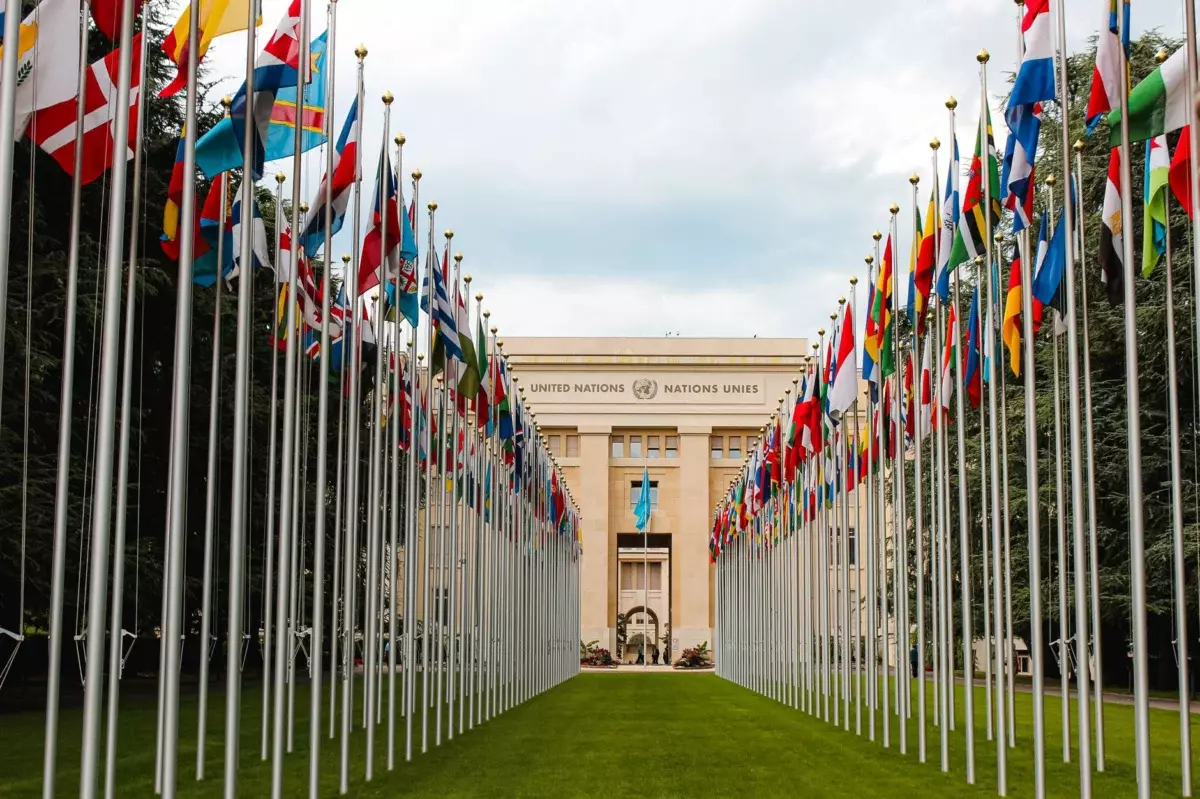
Exterior of the IAEA headquarters in Vienna with flags outside the building
Image Title:
IAEA headquarters in Vienna during a tense nuclear diplomacy moment
Image Caption:
The IAEA General Conference in Vienna often reflects the broader temperature of Iran nuclear diplomacy.
Search Intent:
Mixed intent (news/current event + informational)
Frequently Asked Questions
Does Iran’s nuclear chief need to attend the Vienna meeting for the talks to matter?
No. The conference can still function through lower-level delegates, written statements, and side meetings. But the chief’s presence matters because it gives Iran more room for direct persuasion, rapid clarification, and symbolic engagement. His absence does not stop diplomacy, but it usually makes the atmosphere less flexible and more confrontational.
Is a travel ban on one official actually important in nuclear diplomacy?
Yes, because nuclear diplomacy depends heavily on trust, nuance, and fast reactions to technical concerns. A travel ban is not just administrative; it can signal political pressure or a breakdown in access. In a sensitive file like Iran’s, even a single restriction can influence how other states judge Tehran’s willingness to engage.
Why is the IAEA General Conference in Vienna seen as politically sensitive if it is mostly technical?
It is technical in structure, but political in effect. The conference discusses safeguards, inspections, budgets, and resolutions, all of which shape how the IAEA monitors nuclear programs. Since those decisions affect Iran directly, the meeting becomes a place where procedural details and geopolitical messaging overlap.
Does the chief’s absence mean negotiations with Iran are over?
Not necessarily. Absence usually means the room for personal diplomacy is narrower, not that talks are impossible. States can still communicate through diplomats, formal notes, or separate channels. However, when an important official cannot travel, it often suggests a harder negotiating climate and less confidence between the parties.
Why does this story get linked to the JCPOA debate even when the meeting is not about that deal?
Because the JCPOA debate is part of the wider political backdrop around Iran’s nuclear program. Any sign of reduced engagement, including a travel ban, affects how governments interpret Iran’s position on verification, enrichment, and cooperation. So the event matters as a signal, even if the conference agenda is broader.