
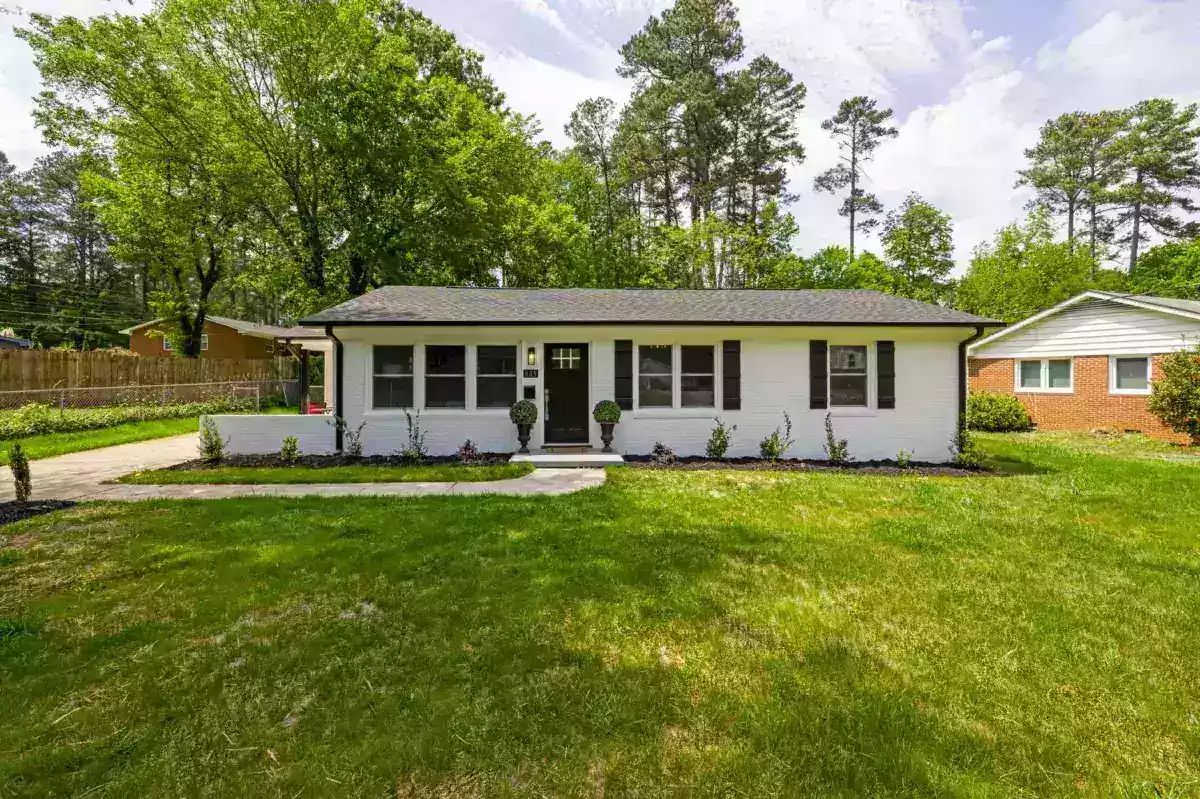
The listing of an entire street for sale in Cyffylliog is more than a novelty property story. It is a sharp example of how entire street for sale in Cyffylliog combines rural housing scarcity, local reputation, and investor logic into one unusually visible market event. In a village in Denbighshire, Wales, where a small village can matter as much as the house itself, six bungalows appearing together at a guide price of £300,000 forces a useful question: is this a bargain, a portfolio, or a warning signal about the state of the housing market?
The answer depends on more than curb appeal. A sale like this sits at the intersection of real estate, rural planning, ownership structure, and demand for small-community living. It also highlights a tension that is easy to miss when a headline sounds eccentric: the same listing can look cheap to a buyer seeking scale and unattractive to a household that wants a single home and nothing more. That gap between headline and reality is where the real story sits.
Why this listing matters beyond the novelty factor
Cyffylliog has benefited from the sort of reputation that many small settlements in North Wales never quite achieve: a quiet setting, a strong sense of place, and enough visibility to attract attention beyond the local market. People often assume that being named among the UK’s best places to live automatically guarantees rising prices. It does not. What it usually guarantees is scrutiny. The more a village is seen as desirable, the more its supply constraints matter.
That is why the sale of six homes together is significant. In a place with limited turnover, one unified listing can effectively remove an entire slice of housing choice from ordinary owner-occupiers. The result is a market that begins to behave less like a series of homes and more like an asset bundle. That shift changes how buyers, lenders, and planners assess value.
For wider context on market conditions, official sources such as the Office for National Statistics and the Welsh Government are more reliable than anecdote. They consistently show that rural and small-settlement housing markets are shaped by low turnover, limited stock, and a higher sensitivity to one-off listings than urban markets are.
What a whole-street sale usually means in practice
The phrase
Frequently Asked Questions
Does “entire street for sale” mean the road itself is being sold, or just the homes on it?
In most cases, it means the properties on that stretch of road are being sold together, not the public road surface itself. The headline is shorthand for a unified ownership sale of several bungalows. The exact legal boundaries depend on title deeds, access rights, and whether any shared land, drives, or communal areas are included in the lot.
Why is the guide price so low for six properties together?
A low combined guide price does not necessarily mean each home is cheap in isolation. It can reflect condition, tenancy status, limited demand for a bundle, or a seller wanting a fast disposal. It may also be priced to attract investors rather than individual households, because the value lies in the portfolio structure as much as in the bricks and mortar.
Would an ordinary family be able to buy one bungalow from the listing?
Usually not unless the seller agrees to split the lot, which is uncommon when properties are marketed together. A bundled sale is designed to move all units at once, often to one buyer. That makes it harder for local families who want a single home, because they would need a separate negotiation or a future re-sale of individual units.
Could a buyer convert the homes or redevelop the site after purchase?
Possibly, but only if planning rules, ownership rights, and any existing covenants allow it. Rural Welsh planning can be restrictive, especially where the settlement character matters. A buyer would need to check whether the bungalows are freehold or leasehold, whether they are occupied, and whether local planning policy would support redevelopment or subdivision.
Why does a sale like this matter for the local housing market if it is just one listing?
In a small village with limited turnover, one large listing can have an outsized effect. It may temporarily remove multiple homes from the ordinary market, reduce options for local buyers, and influence perceptions of scarcity or affordability. That can shape future pricing expectations, especially if investors see the area as a place to assemble assets rather than buy one home.