
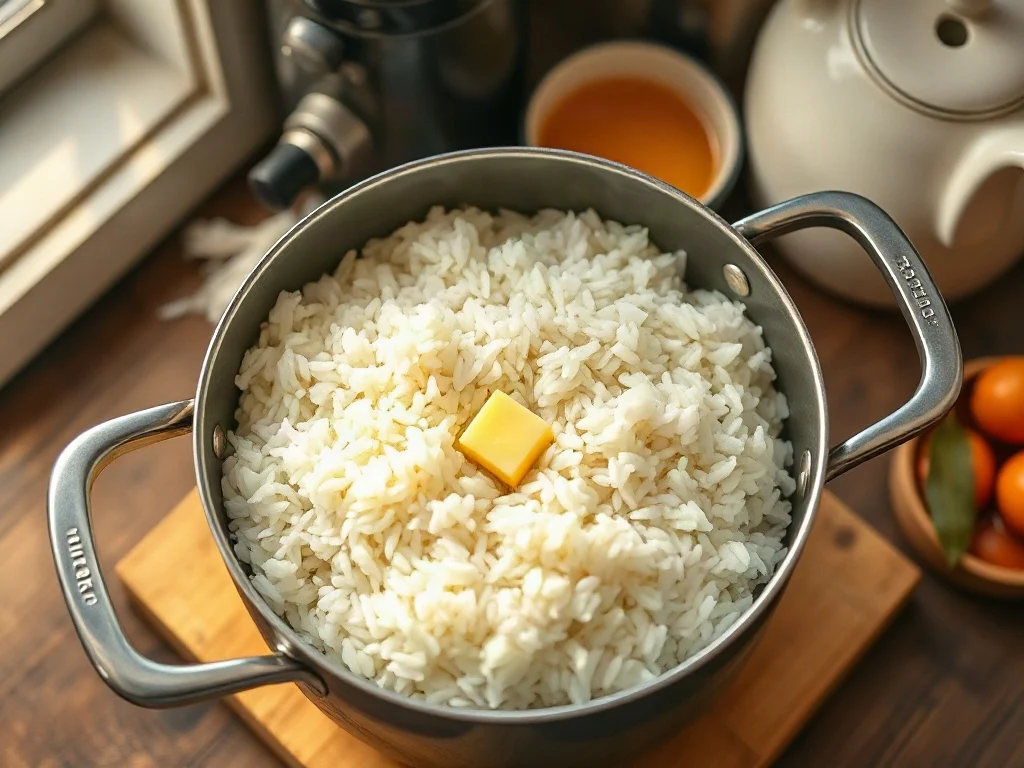
Learning how to make flavorful rice is one of the cheapest upgrades a home cook can make. A recent food headline promises a single pantry ingredient that produces “the most flavorful rice,” but the teaser never names it. This analysis therefore does not guess which product the author prefers. It examines the candidates that actually work, explains why they work, and shows where the one-ingredient claim holds up and where it oversimplifies.
What the One-Ingredient Claim Really Means
The claim is credible in principle. Rice is overwhelmingly starch with a mild, neutral flavor, so it absorbs whatever liquid or fat surrounds it. Most home cooking relies on cooking rice in plain water and salt, which delivers texture but little taste. Replacing that water, or adding one fat, is the highest-leverage change available.
The claim is weaker when it implies a universal fix. Different grains, such as fragrant basmati and jasmine rice, respond differently to heavy seasoning. A strong broth can mask the aroma that makes them worth buying.
Why Plain Water Is the Weak Link
During cooking, heat and moisture cause starch gelatinization, in which granules swell and soften. The grains take up liquid as they do so. Any dissolved flavor in that liquid is carried into the grain, while plain water carries none. This is the mechanism behind nearly every simple rice upgrade.
Texture follows the same logic. The ratio of amylose to amylopectin determines whether grains cook up separate or sticky. A flavor upgrade cannot fix a mismatch between grain and method.
The Strongest One-Ingredient Candidates
Broth or Stock Instead of Water
The most defensible answer is broth or stock. It adds savory depth through dissolved compounds associated with umami. The trade-off is sodium. Commercial products vary widely, so check the label and cut added salt accordingly. The U.S. Food and Drug Administration publishes food labeling guidance if you need to compare products.
Bouillon for Concentrated Flavor
A bouillon cube or powder is the most plausible “already in your pantry” answer. It is shelf-stable, cheap, and dissolves directly into the cooking water. It is also salty and sometimes contains monosodium glutamate, so it demands restraint.
Fat: Butter, Oil, or Ghee
Another contender is fat. Sautéing dry grains in butter, olive oil, or ghee before adding liquid coats each grain and encourages separation. Light browning also triggers the Maillard reaction, adding a nutty note. This is the technique behind a classic pilaf, and it is arguably the strongest option for flavor and texture together.
Less Common Options
- Coconut milk: coconut milk gives richness but suits only certain cuisines.
- Bay leaf: a single bay leaf adds subtle aroma at almost no cost.
- Soy sauce: soy sauce adds depth but is very salty and darkens the grains.
Common Mistakes That Cancel the Upgrade
- Double-salting. Broth and bouillon already contain salt. Taste the liquid before adding more.
- Ignoring the ratio. Broth does not change the grain’s water requirement, so follow the package ratio for the variety.
- Lifting the lid. Escaping steam disrupts even cooking, whatever the liquid.
- Skipping the rest. Letting rice stand covered for several minutes off the heat improves texture.
A Practical Method That Works
- Rinse the grains until the water runs mostly clear, unless the recipe is a risotto-style dish.
- Toast the rice briefly in a spoonful of fat for one to two minutes.
- Replace the water with broth, or dissolve bouillon at half the label’s suggested strength.
- Simmer covered at low heat, then rest off the heat.
- Fluff with a fork and adjust seasoning only at the end.
A rice cooker follows the same principles. Check the manufacturer’s manual before adding fats or salty liquids, since some models discourage them.
FAQ
What can I add to rice for more flavor?
Cooking it in broth, adding bouillon, or toasting the grains in butter or oil are the most reliable options. Each requires nothing beyond ordinary pantry staples.
Can I cook rice in chicken broth instead of water?
Yes. Use the same ratio you would use for water, and reduce added salt because commercial broth is often salty.
Does toasting rice actually make a difference?
Yes. It coats the grains in fat and adds a nutty, browned flavor. The effect is noticeable, though subtle.
What the Headline Leaves Unanswered
The most important insight is that no single ingredient is magic. What matters is replacing a flavorless cooking liquid with a flavored one, or adding fat at the right moment. Any headline that names one product is selling a shortcut to a general principle.
The question to watch is whether home cooks will keep trading convenience for control. Bouillon and boxed stock are easy, but they hide a sodium problem that homemade stock avoids. Expect more cooks to lean on pantry concentrates, and expect the quality gap between brands to matter more than any “one weird trick.” The better test of this advice is a side-by-side tasting: plain water, broth, and toasted grains in the same pot, with one variable changed each time.
Frequently Asked Questions
Why doesn't the article name the single pantry ingredient?
The original headline never reveals which product the author prefers, so the article avoids guessing. Instead it reviews the options that genuinely work, such as broth, bouillon, and fat like butter or ghee, and explains why each one improves rice flavor.
Will broth ruin the aroma of basmati or jasmine rice?
It can. A strong, heavily seasoned broth may mask the delicate fragrance that makes these varieties worth buying. For aromatic grains, use a light stock, dilute your bouillon further, or choose a gentler upgrade such as toasting in a little butter or adding a bay leaf.
How much bouillon should I use so the rice isn't too salty?
Dissolve the bouillon at about half the strength suggested on the label, then taste the liquid before adding any extra salt. Bouillon is concentrated and often contains sodium and sometimes monosodium glutamate, so adjusting seasoning only at the end prevents oversalting.
Does cooking rice in broth change how much liquid I need?
No. Broth does not change the grain's water requirement, so follow the package ratio for your specific variety and simply swap the broth in for the water. Changing the amount of liquid would affect texture more than flavor, leaving the rice mushy or undercooked.
Why toast rice in fat before adding liquid?
Toasting dry grains in butter, olive oil, or ghee for one to two minutes coats each grain, which helps them stay separate. Light browning also triggers the Maillard reaction, adding a nutty flavor. This is the basic technique behind a classic pilaf.
Can I add fats or salty liquids when using a rice cooker?
A rice cooker follows the same principles, but you should check the manufacturer's manual first. Some models discourage adding fats or salty liquids, which can affect performance or cleaning. If your model allows it, the same broth or toasted-fat approach applies.