
The Celebrity Traitors has reached its climax. The second series of the BBC One hit reached its finale on Friday, with the 21 original contestants whittled down to seven before the final. On the surface this is a celebrity game show about lying. In practice it is one of the most effective social experiments on mainstream television, and its finale shows why the format works and where its limits lie. This analysis looks at the mechanics, the psychology and the weaknesses behind the spectacle, and at what the show tells us about trust under pressure.
Where The Celebrity Traitors Stands Before the Final
The facts from the broadcast are simple. The series began with 21 original contestants. By the final, seven remained. The word “original” matters: it implies the cast list was not static, and that the game may have been disrupted along the way. In a format built on uncertainty, any change to the player pool alters the odds and the paranoia.
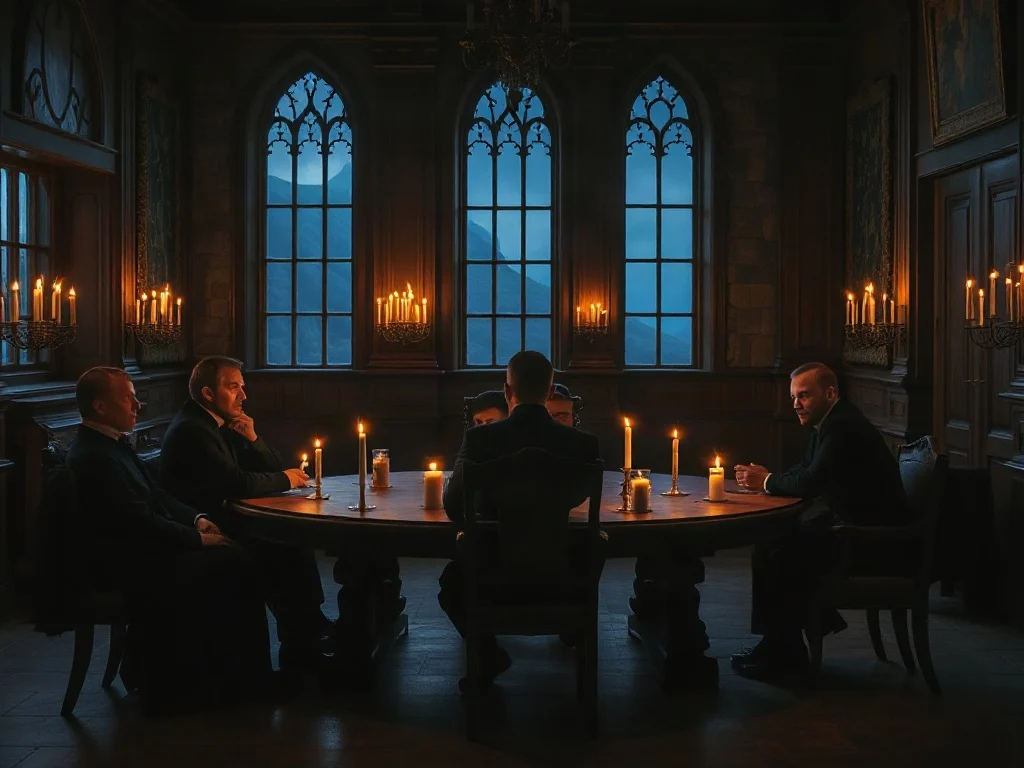
The show is the celebrity spin-off of The Traitors, the British adaptation of a format that began in the Netherlands. It is hosted by Claudia Winkleman and broadcast on BBC One, and episodes are also available on BBC iPlayer. The setting, a remote castle in the Scottish Highlands, is itself part of the design. Isolation removes outside reference points and forces players to rely on each other.
How the Game Works: A Brief Technical Explanation
Faithfuls versus Traitors
Players are divided into two groups. Most are Faithfuls, who know they are honest but do not know who else is. A small number are secretly Traitors, who know each other and conspire. The Traitors remove a player from the game each night. The whole group then votes at a ceremony known as the Round Table to banish someone they suspect.
The structure descends from the Mafia party game, and it belongs to the wider family of social deduction games. The core asymmetry is the same in all of them. An informed minority tries to survive against an uninformed majority that holds the voting power.
The Prize Pot and the Incentive Problem
Missions build a shared prize pot, and at the end the remaining players split it or lose it depending on who is left. That introduces a second tension. Faithfuls must cooperate to grow the pot, yet they must also suspect one another. Traitors must appear to cooperate while undermining the group. The format therefore rewards a rare skill: sustained, believable deception alongside genuine collaboration.
Why Celebrity Changes the Game
Putting famous people in the castle is not just a ratings device. It changes the information environment in three ways.
- Pre-existing reputations. Viewers and players arrive with assumptions. An actor is presumed to be a skilled liar. A comedian is presumed to be disarming. These priors shape suspicion before anything has happened.
- Performance habits. Many celebrities are used to controlling how they come across. That makes honest behaviour harder to separate from rehearsed behaviour.
- Higher personal stakes. A public figure risks reputational cost for being seen to betray friends. A banishment is not only a game outcome, it is a brand moment.
The weakness is that celebrity can also dull the stakes. Money that matters little to a wealthy player, or that goes to charity, weakens the pure self-interest the game normally relies on. A critic can fairly ask whether the betrayals are as raw as they would be in an ordinary-person edition.
The Psychology Behind the Round Table
Why Smart People Vote Wrongly
The show is a case study in cognitive bias. Confirmation bias is the most visible. Once a player suspects someone, every ambiguous action, such as a glance, a hesitation or a lost mission, gets read as evidence. The fundamental attribution error compounds it. Players attribute behaviour to character rather than circumstance, so nervousness becomes guilt.
Group Dynamics and Conformity
Voting is not independent. Players watch the room, and once a name gains momentum a bandwagon effect sets in. A form of groupthink follows. Dissent feels risky because the dissenter may become the next target. Skilled Traitors exploit this by letting the group do the work, steering suspicion rather than carrying out accusations themselves.
A Game-Theory Reading
The tension between collective benefit and individual survival echoes the prisoner’s dilemma, studied within game theory. The analogy is imperfect. The show has hidden roles and repeated rounds, whereas the classic dilemma is a single choice between two parties. Even so, it captures the central question: when does cooperation survive once someone can profit from betraying it?
A Critical Assessment of the Format
What It Does Well
- Clear rules, deep ambiguity. Anyone can understand the setup in minutes, yet outcomes remain unpredictable.
- Strong editing and pacing. The programme manipulates viewers as well, planting red herrings through selective shots and music. This mirrors the confusion the players feel.
- Character revealed through pressure. Watching well-known people lie to friends, or be wrongly accused, shows them in a way chat shows and interviews rarely do.
Where It Falls Short
- Production influence. Tasks, castle layout and editing choices shape the game. Viewers see an edited version of events, so confident judgements about who “played best” deserve caution.
- Luck. A Faithful can play perfectly and still be banished by a bad vote. A weak Traitor can survive because of a tie or a distraction. The result is not purely a measure of skill.
- Late-game predictability. With few players left, the logic narrows and the final can feel mathematical rather than emotional.
To be precise, the finale does not prove who is the most honest or the best liar. It shows who handled this particular set of incentives, under this particular edit, most convincingly.
How to Watch Like an Analyst
Viewers who want more than entertainment can track a few things across episodes.
- Vote sequencing. Who votes first, and who follows? Early voters often steer the outcome.
- Voting alignment. Players who consistently vote with the eventual banished Traitor are not necessarily guilty, but patterns matter.
- Mission behaviour. Sabotage can be subtle. Look at who stays quiet when a group fails.
- Defensive language. Over-explaining tends to read as guilt, but the evidence is weak. Both honest and deceptive players over-explain under stress.
The common mistake is to treat a single tell as proof. Experienced social deduction players treat behaviour as probability, not certainty.
FAQ About The Celebrity Traitors
What is The Celebrity Traitors?
It is a celebrity version of the BBC One series The Traitors, in which a hidden group of Traitors tries to eliminate honest Faithfuls while the group votes to banish suspected deceivers.
How does The Traitors work?
Faithfuls complete missions to build a prize pot. Traitors secretly remove a player each night, and the group votes at the Round Table to banish a suspect. If any Traitor survives to the end, the prize outcome shifts in their favour.
How many contestants were left before the Celebrity Traitors final?
According to the BBC report on the second series, the 21 original contestants had been reduced to seven before the final.
Where can I watch it?
The programme is broadcast on BBC One and can be streamed on BBC iPlayer in the UK, subject to licence and availability.
The Question the Castle Leaves Behind
The most important insight from The Celebrity Traitors is that the show is less about lying than about how groups decide whom to trust. Its celebrity edition adds reputation as a variable, and reputation proves a poor guide to honesty. The finale will crown winners, but the more interesting result is what the format reveals about how people assign guilt on thin evidence.
Two things are worth watching next. First, whether the series keeps its edge as audiences become fluent in the format. Traitors strategies spread quickly once viewers learn them, and an educated cast plays more cautiously. Second, whether producers keep adapting the rules to preserve surprise. A reasonable prediction is that the format will keep succeeding only if it stays one step ahead of its own audience. The unanswered question is whether a game that depends on genuine uncertainty can stay uncertain once everyone knows how it works.
Frequently Asked Questions
Why does the article stress the word "original" when saying 21 contestants were reduced to seven?
The word suggests the cast was not fixed throughout the series. If players were added or replaced, the odds and the paranoia would change. In a game built on uncertainty, any change to the player pool affects how much each person trusts the others.
How does being famous change the way players deceive and detect lies?
Fame changes the information players have. Reputations create assumptions, such as an actor being a good liar. Celebrities are also used to managing their image, so honest and rehearsed behaviour are harder to tell apart. Public figures also risk reputational damage if they seem to betray friends.
Do celebrity players have less incentive to lie than ordinary contestants?
Possibly. Money matters less to wealthy players, and winnings that go to charity weaken pure self-interest. The article says critics can fairly ask whether the betrayals are as raw as in an ordinary-person edition, though reputational stakes partly offset this.
Why do intelligent players so often banish the wrong person at the Round Table?
Cognitive biases distort judgment. Confirmation bias makes players read every glance or hesitation as proof once they suspect someone. The fundamental attribution error turns nervousness into guilt. The bandwagon effect then adds pressure, because players watch the room instead of voting independently.
What makes the Traitors format different from the classic Mafia party game it descends from?
The core asymmetry is the same: an informed minority against an uninformed majority with the votes. The TV version adds a shared prize pot built through missions. Faithfuls must cooperate to grow it while suspecting each other, and Traitors must appear to cooperate while undermining the group.
Does the remote Scottish castle setting affect how the game plays out?
Yes, the setting is part of the design. The isolated castle in the Scottish Highlands removes outside reference points, so players have to rely on one another for information. That dependence makes suspicion, trust and conformity within the group more intense.