
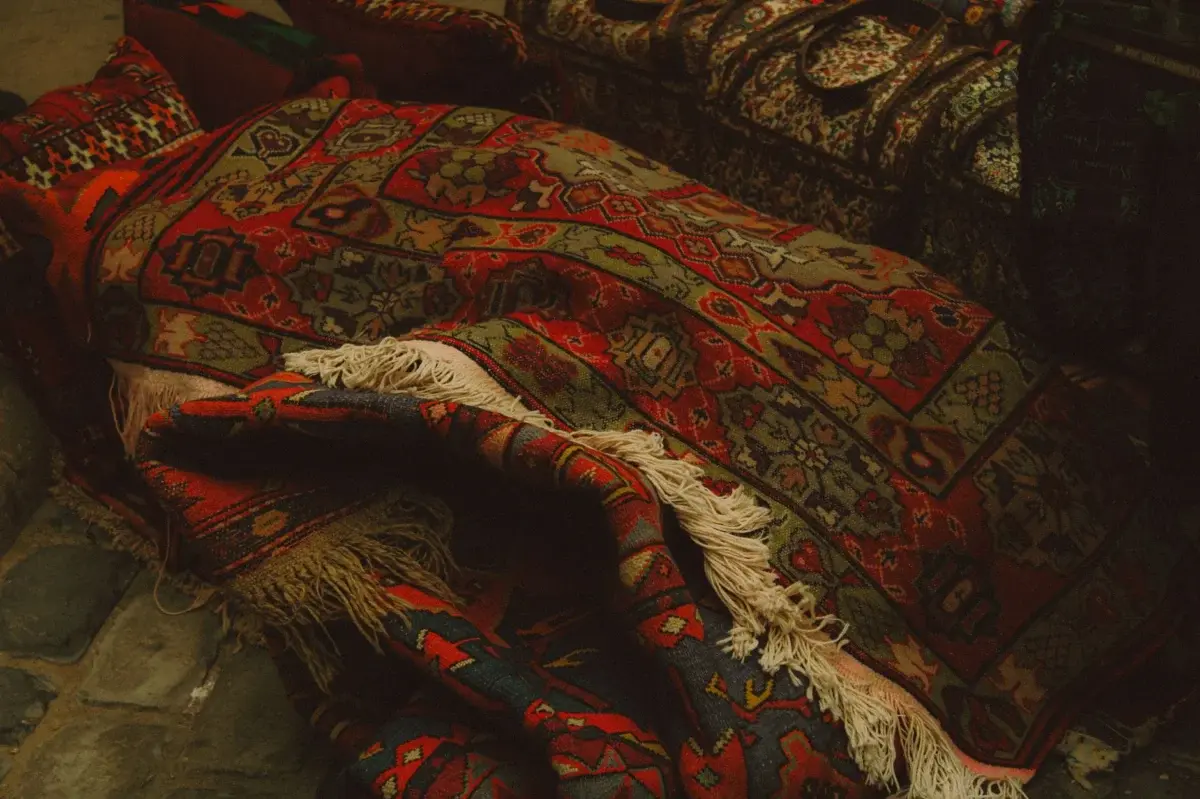
The current Revival Rugs sale is more than a short-lived discount window; it is a useful chance to buy a piece that can change how a room feels every day. A good rug does more than soften a floor. It anchors furniture, absorbs sound, introduces color and texture, and, when chosen well, lasts for years. That is why a 20 percent sitewide sale matters most when the brand is already known for hand-knotted and handwoven wool pieces that are easy to live with and visually distinctive.
If you are scanning the discount for a living room centerpiece, a bedroom layer, or a hallway runner, the question is not simply whether the markdown is good. The real question is whether this is the right chance to buy a rug that fits your space, your traffic pattern, and your maintenance habits. In that sense, the sale is a case study in smart home decor shopping: choose the fiber, construction, and size first, then let the price be the final filter.
Why this sale is worth a closer look
Revival Rugs has built a following by focusing on pieces that feel more characterful than mass-market carpet or generic big-box floor coverings. The brand leans heavily on texture, pattern, and natural fibers, especially wool, which is prized for resilience, springiness, and a more refined hand feel than many synthetic alternatives. For shoppers who want an area rug that reads as a design object rather than an afterthought, that difference matters.
The timing also matters. A sitewide sale can be especially valuable on larger rugs, where the absolute savings are meaningful. In practical terms, a discount on an oversized living room rug is often more useful than a small markdown on a decorative accent piece because the larger rug is likely to influence the whole room. That is why this kind of promotion tends to attract people who are already serious about interior design and want to make one considered purchase instead of several temporary fixes.
The smartest rug purchase is not the cheapest one. It is the piece you will still be happy to see after the sale ends.
What hand-knotted and handwoven really mean
Construction is where rug value often lives. A hand-knotting process typically involves tying individual knots onto a foundation, a labor-intensive method that can produce dense, durable, and often highly detailed rugs. By contrast, handweaving uses a loom to interlace fibers, usually resulting in a flatter profile and a lighter, more flexible feel.
Those differences are not just technical trivia. They affect how a rug drapes, how it wears, and how it performs under furniture. A hand-knotted wool rug can be a long-term anchor in a formal living room, while a handwoven rug may feel better in spaces where you want a lower profile, easier moving, or a slightly more casual texture. Both fall under the broader umbrella of textile craftsmanship, but they solve different design problems.
| Construction | Best for | What to watch |
|---|---|---|
| Hand-knotted | High-traffic rooms, long-term use, detailed patterns | Higher price, heavier weight, more time to produce |
| Handwoven | Layered styling, lower-profile placement, versatile rooms | May feel thinner; check edge finishing and backing |
| Tufted | Budget-conscious shoppers, plush feel, faster turnover | Less labor-intensive; durability can vary by materials and construction |
That last row is useful because many shoppers compare a sitewide sale against a cheaper alternative and assume all rugs are interchangeable. They are not. A tufted rug, for example, can be comfortable and attractive, but it does not deliver the same structural story as a hand-knotted piece. Knowing that distinction is the difference between buying a discount and buying a better floor covering.
How to tell whether 20 percent off is a strong deal
A percentage discount only matters if the underlying product fits your needs. Before you buy, check three things: size, construction, and policy. Size is the easiest to overlook and the costliest mistake. In living rooms, a rug that is too small can make the furniture look disconnected. In bedrooms, a rug that does not extend enough beyond the bed can feel visually cramped. In dining rooms, the chairs should stay on the rug even when pulled back. Those are basic rules, but they are the ones that save buyers from regret.
Construction is the second filter. If the sale includes pieces inspired by a Persian rug or broader Oriental rug traditions, look beyond pattern and ask how the rug was made. Is it hand-knotted, handwoven, or something else? Does the weave suggest longevity? Does the backing hold the piece in place? Are there natural variations that signal craftsmanship rather than defects?
Policy is the third filter. A rug bought online is still an e-commerce purchase, and e-commerce is unforgiving when product pages are vague. Read the shipping details, return window, and any notes about final sale items before checkout. A sitewide sale should simplify your decision, not pressure you into skipping the fine print. For many shoppers, the most valuable part of a discount is not the lower price alone; it is the chance to buy with more confidence.
Which rooms benefit most from wool rugs
Wool is often the best choice when you want a rug to feel substantial without becoming overly precious. It performs well in living rooms, bedrooms, and home offices because it combines softness with natural bounce. In homes where people walk barefoot, sit on the floor, or shift furniture often, wool tends to recover better than many cheap synthetics. That resilience is one reason the fiber has such a long history in textile production and home decor.
For room-by-room decision-making, think like a designer rather than a bargain hunter. A rug in a busy family room should prioritize durability and easy vacuuming. A bedroom rug can lean more heavily into comfort and tactile warmth. A dining-room rug should have a flatter surface so chair legs glide cleanly. Hallways and entryways are where you want patterns that hide wear and a construction that can take repeated traffic.
Natural fiber fans are also likely to appreciate the material story behind wool. It is not just about feel. Wool has a visual depth that often pairs well with muted color palettes and earthy interiors, and it can read as more elevated than synthetic pile. If you favor restrained design, a wool rug often does more work with less visual noise. That matters in open-plan spaces, where a single object has to do multiple jobs at once.
What pattern, dye, and weave reveal about quality
Pattern is about more than style. In a handmade rug, pattern can reveal how much detail the maker could achieve and how consistently the motif repeats. That is why rugs with subtle irregularities can feel more alive than perfectly uniform machine-made pieces. It is also why many collectors value the look of a kilim, where flatweave structure and design are tightly connected.
Color is equally important. If the dyes are natural or appear to have been applied with variation, the rug may show more depth and nuance across the surface. A strong pattern can still look calm if the palette is controlled. Conversely, a simple pattern can feel busy if the color contrast is too sharp. The best rugs usually balance both elements, using pattern and tone to make a room feel intentional rather than decorated by accident.
That is also where the market appeal of handmade rugs remains strong. In a world of mass production, consumers increasingly want objects that telegraph care, time, and materiality. A handmade rug fits that desire better than many other home purchases because the craftsmanship is visible every time you enter the room.
How to buy a rug that ages well
Buying a rug on sale should still feel like a long-term decision. Start by measuring the room and marking the footprint with painter’s tape if needed. Then compare the rug size to your furniture layout, not just to the empty floor. A rug should connect the room’s major pieces. Otherwise, it can feel like a floating island instead of a foundation.
- Choose the right pile: Lower pile is often easier in dining rooms and traffic-heavy areas.
- Use a rug pad: It improves comfort, reduces slipping, and can help protect the underside.
- Rotate periodically: This evens out wear and sunlight exposure.
- Spot clean promptly: Fast action matters more than aggressive scrubbing.
- Inspect the edges: Fraying is often the first sign of stress, especially near doors and furniture legs.
It is also worth thinking about maintenance as part of value. A less expensive rug that pills, sheds, or wrinkles may cost more in frustration than a sturdier one that ages gracefully. That is why many shoppers treat a high-quality wool rug as a better long-term investment than a fashion-only piece. If you are interested in the broader economics of buying once and buying well, that mindset is closer to sustainability than constant replacement.
FAQ: Revival Rugs sale and wool rug shopping
Is a Revival Rugs discount worth it?
Usually, yes if you were already planning to buy a rug and the size, construction, and style fit your room. A 20 percent reduction can be meaningful on larger pieces, but the best value still comes from a rug you will keep using for years.
Are hand-knotted rugs better than handwoven rugs?
Not always better, but different. Hand-knotted rugs often offer greater density and detail, while handwoven rugs can be lighter and flatter. The better choice depends on the room, the expected wear, and the look you want.
What should I look for in a wool rug?
Look for clear construction details, a rug size that matches the room layout, edge finishing that looks sturdy, and care instructions that suit your lifestyle. The best wool rugs combine resilience with visual warmth.
How do I know if the sale price is actually good?
Check whether the discount applies sitewide, compare the piece to similar rugs in size and construction, and read the shipping and return policy carefully. A good sale is one that reduces cost without reducing confidence.
The larger trend behind the sale
What makes this promotion interesting is not just the discount itself, but what it says about how people shop for the home now. The rise of direct-to-consumer brands has made shoppers more comfortable buying large-format items online, especially when product photography, room visualization, and flexible returns lower the risk. At the same time, people are still seeking tactile authenticity in a digital-first buying process.
That tension is likely to shape the next phase of rug retail. Expect more emphasis on transparent sourcing, construction explanations, and materials that signal sustainability rather than disposable style. Expect also to see more storytelling around craft, including references to weaving traditions, dye methods, and regional motifs. Those are not just marketing details; they are how shoppers learn to distinguish a meaningful rug from a generic floor accessory.
In the end, the most important insight is simple: a sale is only valuable when it helps you buy the right object, not merely a cheaper one. If the Revival Rugs promotion pushes you toward a rug that suits your room, wears well, and feels better every time you walk across it, then the discount has done real work. The question to watch next is whether rug buyers continue moving toward fewer, better pieces with clearer craft narratives—or whether fast, disposable decor keeps competing for attention. The answer will shape not just how rugs are sold, but what people expect from a room anchor in the years ahead.
Frequently Asked Questions
Is a hand-knotted rug always the better choice during a sale?
Not always. Hand-knotted rugs are usually denser and more durable, which makes them a strong choice for high-traffic rooms and long-term use. But handwoven rugs can be better if you want a flatter profile, easier moving, or a more relaxed look. The best choice depends on how the room is used, not just on the discount.
Why does a sitewide sale matter more on larger rugs than smaller ones?
Because the absolute savings are much bigger on a large rug. A 20 percent discount on an oversized living room rug can reduce the total cost by a meaningful amount, while the same percentage on a small accent rug may not feel as significant. Large rugs also have a bigger visual impact, so the purchase affects the whole room.
How do I know if wool is the right material for my home?
Wool is a strong option if you want resilience, springiness, and a more refined texture than many synthetic rugs. It works well in rooms where you want comfort and longevity. If your household has very heavy wear, frequent spills, or you prefer ultra-easy cleanup, you should also compare care needs and maintenance habits before buying.
What should I check before buying a rug just because it is discounted?
Start with fit: confirm the size works with your furniture layout and traffic pattern. Then check construction, because hand-knotted and handwoven rugs behave differently over time. Finally, review the return and care policies. A good sale only becomes a smart buy if the rug suits the room and your lifestyle.
Can a hand-knotted wool rug work in a busy room, or is it too delicate?
A hand-knotted wool rug can be an excellent choice for busy rooms because it is typically built for durability and long-term use. That said, its performance still depends on pile height, placement, and how much wear the room gets. If the space has constant movement, choose a design and size that can handle that traffic.