
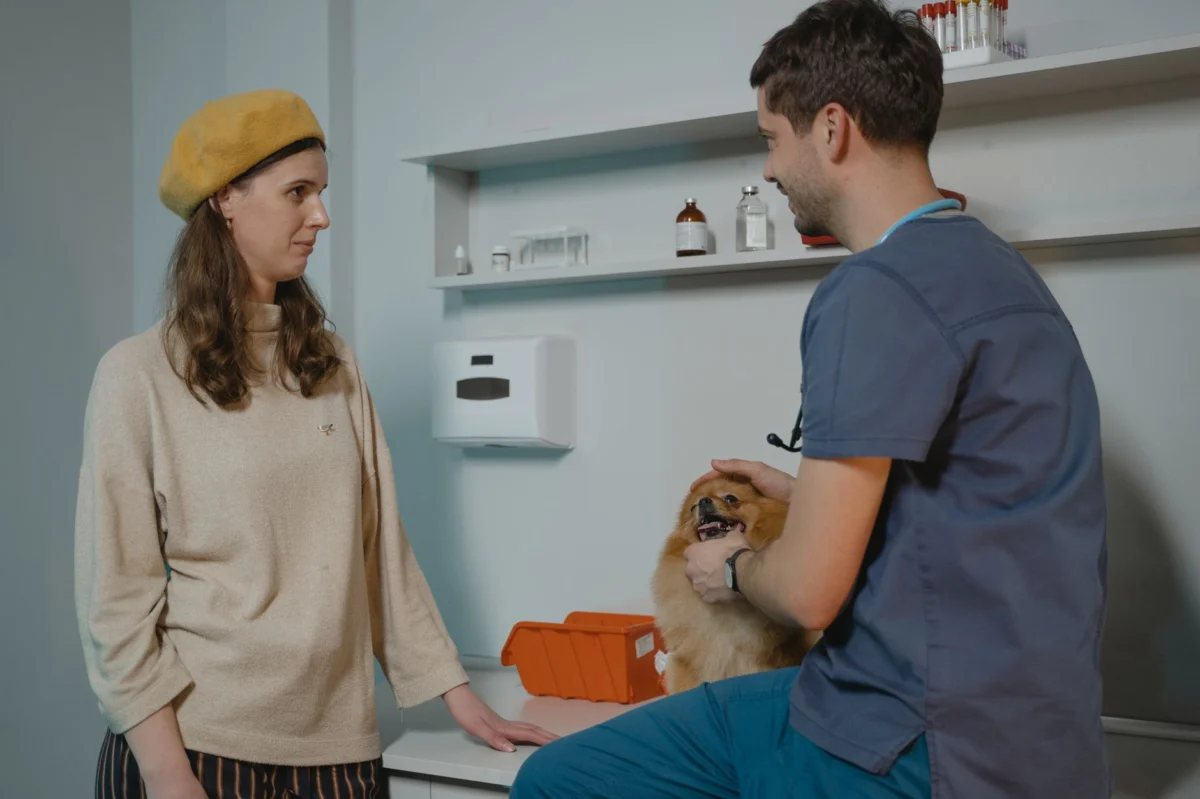
Common pet health questions are rarely simple, and that is exactly why experienced vets keep hearing the same ones. A cat that cries more than usual, a dog that suddenly seems restless, a pet that stops eating, or a bulldog that appears oddly energetic can each point to anything from a minor routine problem to pain, stress, or a nutrition fault. The value of a vet who answers owner queries every day is not just reassurance; it is pattern recognition. The same complaints recur because most people are trying to interpret behaviour before they can see the disease behind it.
That is the practical problem at the heart of modern pet care. Owners of a pet usually notice change first, not diagnosis. In dogs and cats, especially the domestic cat, illness is often hidden behind ordinary behaviour. A professional answer therefore has to separate nuisance from warning sign, and it has to do so without guesswork. That is the difference between casual internet advice and proper veterinary medicine.
Why the same questions keep coming back
The most common owner questions cluster around behaviour, appetite, toileting, and weight because these are the first things people can observe at home. They are also the easiest to misread. A cat that vocalises more may be hungry, anxious, painful, or simply conditioned to ask for attention. A dog that appears hyperactive may be under-stimulated, stressed, or uncomfortable. A pet that has lost interest in food may have a transient upset stomach, a food allergy, dental pain, or a systemic illness. The symptom is visible; the cause is not.
This is why broad, narrative questions often need tighter clinical framing. A good vet does not just ask, ‘What is wrong?’; they ask when it started, whether the pattern has changed, and what else changed at the same time. The same discipline matters in animal behavior research: behaviour is data, but only if it is described precisely. Vague descriptions such as ‘he seems off’ are not useless, but they are incomplete.
There is also a marketing problem hidden inside pet care. Food brands, forums, and social media all tend to offer one-cause explanations for a multi-cause problem. That is poor logic. A cat can cry because of stress, pain, or habit; a dog can beg for food because of learned behaviour, not hunger; and a change in litter box use can reflect disease, not defiance. The habit of treating each symptom as a personality trait is one of the most common mistakes owners make.
A behaviour change is a medical clue, not a character test
Owners often describe a pet as ‘weird’, ‘naughty’, or ‘just not itself’. Those words matter emotionally, but they are weak diagnostically. Behaviour changes should be treated as clues. In a cat, excessive crying, hiding, restlessness, or failure to use the litter tray may point to pain or stress. In a dog, pacing, clinginess, chewing, or sudden agitation may signal boredom, but it can also accompany illness or separation anxiety.
The key question is not whether the behaviour looks odd. It is whether the behaviour is new, persistent, and linked to a physical change. That is where owners should move from observation to triage.
| Observed change | What it may indicate | Practical response |
|---|---|---|
| Sudden crying or vocalising | Pain, anxiety, attention-seeking, or illness | Check for injury, appetite change, litter box use, and contact a vet if it persists |
| Hyperactivity or restlessness | Under-exercise, stress, discomfort, or hormonal/medical issues | Track timing, exercise, and other symptoms before changing routine |
| Loss of appetite | Digestive upset, dental pain, infection, or systemic disease | Do not wait too long; appetite loss is a meaningful warning sign |
| Vomiting or diarrhoea | Diet change, infection, parasites, toxin exposure, or chronic disease | Assess severity, hydration, and frequency; escalate quickly if repeated |
| Increased drinking or urination | Could point to metabolic or kidney problems | Book a vet review rather than assuming it is normal ageing |
Nutrition is where many ‘mystery’ cases begin
Nutrition is still underestimated because it looks ordinary. Yet diet is one of the most common variables in pet health, and one of the easiest to mishandle. Pet food is not just fuel; it affects weight, stool quality, energy, skin condition, and in some animals behaviour. When owners ask for pet nutrition advice for owners, they usually want a yes-or-no answer. The better answer is more conditional: what is the pet eating, how much, how quickly, and what else changed?
The safest position is to be sceptical of shortcuts. A sudden food switch can itself cause vomiting or diarrhoea. Over-treating can make a pet overweight without the owner noticing. In the case of obesity, the problem is not simply appearance; excess weight worsens mobility, increases strain on joints, and can complicate other conditions. In other words, weight management is not cosmetic. It is clinical.
Professional diet guidance increasingly points back to structured assessment rather than online folklore. Organisations such as the World Small Animal Veterinary Association, along with groups like the PDSA and the RSPCA, consistently emphasise a practical review of body condition, feeding routine, and medical history. That matters because many owners wrongly assume that every digestive or behaviour issue requires a novel diet. Sometimes diet is the cause. Sometimes it is the amplifier. Sometimes it is irrelevant.
A measured approach is usually more effective than chasing trends. If a pet has chronic symptoms, the question is not whether a new ingredient looks popular. The question is whether the current pattern is clinically justified. That is especially important in animals with suspected animal nutrition problems, repeated gastrointestinal upset, or possible food sensitivity. Overreaction is as unhelpful as neglect.
What not to do when food seems to be the issue
- Do not keep changing foods every few days and then draw conclusions from unstable data.
- Do not assume a human supplement is safe just because it is ‘natural’.
- Do not use treats to mask a pet’s poor appetite for more than a short period without advice.
- Do not label every loose stool as a food intolerance without considering infection or parasites.
When to watch and when to call the vet
The phrase when to call a vet should not be treated as a one-size-fits-all rule. Some problems are safe to monitor briefly; others need prompt assessment. A pet that is bright, drinking, and behaving normally may justify observation. A pet that is lethargic, painful, repeatedly vomiting, unable to keep water down, or struggling to breathe does not. That distinction sounds obvious, but owners often wait because the animal still looks ‘mostly okay’.
One useful rule is to ask whether the symptom is isolated or part of a pattern. A single episode of mild stomach upset after dietary indiscretion may settle. Recurrent vomiting, ongoing diarrhoea, sudden weight loss, or persistent change in behaviour deserves proper examination. Vomiting and diarrhea are not diagnoses; they are signs. The cause may be minor, but it may also be serious.
The practical rule is simple: a short-lived change can be monitored, but a new pattern should be treated as information, not background noise.
Owners should also take age and breed seriously. A young, otherwise healthy pet may bounce back quickly from a mild upset. A senior animal, or a breed with known structural issues such as the bulldog, can have a narrower margin for error. What looks like ‘just being a bulldog’ may actually be breathing difficulty, joint pain, or heat stress.
The red flags that should not be rationalised away
- Repeated vomiting or diarrhoea
- Sudden weakness or collapse
- Laboured breathing
- Marked lethargy or reluctance to move
- Not eating for more than a day, especially in a cat
- Obvious pain, swelling, or bleeding
- Straining to urinate or defecate
What a good vet answer actually looks like
A strong vet consultation is not built on a single symptom. It is built on context. The best clinicians ask about age, breed, diet, routine, exercise, medication, vaccination status, travel, stool quality, water intake, and recent household changes. That broader view is central to veterinarian practice because most pet problems are multi-factorial. Owners may arrive looking for a simple label; the professional job is to rule out the dangerous possibilities first.
This is where experience matters. A vet who has answered owner queries for years tends to recognise the difference between a pet that is annoying its family and a pet that is quietly deteriorating. In animal welfare, that distinction is critical. Welfare is not just about avoiding overt cruelty; it is about reducing avoidable discomfort, chronic stress, and delayed treatment. Owners sometimes think they are ‘waiting to see’. In reality, they may be delaying the point at which the data becomes most useful.
Breed expectations also need discipline. A bulldog that seems unusually excitable may not be ‘playing up’; the owner may simply be seeing an animal struggling to regulate effort, temperature, or discomfort. Likewise, a cat that cries at night may not be demanding food. It may be signalling pain, litter box trouble, or a change in the home environment. Behaviour is not a verdict. It is evidence.
How to ask better questions about your pet
Most people ask for reassurance when they actually need triage. Better questions produce better answers. Instead of asking only, ‘Is this normal?’, ask what changed, when it changed, and what came before it. That gives the vet a cleaner signal and makes follow-up advice more useful.
- Note the exact start time and whether the change was sudden or gradual.
- Describe the symptom in measurable terms: how often, how much, how long.
- Record appetite, water intake, toileting, and sleep.
- Photograph or film unusual behaviour when it is safe to do so.
- List any recent diet changes, treats, medications, or environmental changes.
- Say whether the pet seems painful, withdrawn, or unusually restless.
This is especially important for owners who search online first. Search engines can point to broad possibilities, but they cannot examine a pet. A careful description can. If you want a better answer, give the clinician better evidence.
FAQ: the questions owners ask most often
Why is my cat crying all the time?
Persistent vocalising can be attention-seeking, but owners should not start with that assumption. Pain, stress, hunger, litter box problems, and age-related changes can all increase crying. If the pattern is new, the safest move is to review feeding, toileting, and overall behaviour with a vet.
How do I know if my dog is sick?
Look for change rather than one dramatic symptom. Appetite loss, lethargy, vomiting, diarrhoea, increased drinking, coughing, pain, or a sudden shift in temperament are all meaningful. If the change lasts, repeats, or affects basic functions, it needs assessment.
Should I change my pet’s food if it seems picky?
Not automatically. Picky eating can reflect preference, learned behaviour, or illness. If a pet has a sudden appetite change, rule out medical causes before treating it as a feeding problem. Frequent food switching can create more confusion than clarity.
Can hyperactivity in a bulldog just be personality?
Sometimes, but breed labels can hide problems. With a bulldog, restlessness may come from discomfort, poor sleep, breathing strain, or lack of stimulation. Personality should be considered only after medical explanations have been reviewed.
The next stage of pet advice will be less about opinion and more about triage
The biggest shift in pet care over the next few years is likely to be better sorting of problems before they become emergencies. Telemedicine, wearable activity tracking, and more precise feeding tools will help, but they will not replace clinical judgement. They may, however, reduce the time between first symptom and useful action. That is the real prize: faster recognition of the difference between a harmless quirk and the first sign of disease.
The unanswered question is not whether owners will keep asking the same pet queries. They will. The question is whether the next generation of advice will be good enough to turn those questions into earlier treatment, fewer false alarms, and better long-term welfare. In practice, the most useful pet advice will be the least glamorous: clearer observations, better triage, and less certainty where certainty is not justified.
Frequently Asked Questions
How can I tell if my pet’s odd behaviour is a medical problem or just a personality change?
Start by asking whether the behaviour is new, persistent, and linked to something physical such as appetite, drinking, toileting, sleep, or mobility. A true personality trait usually stays consistent. A sudden shift in routine, energy, or social behaviour is more often a clue that your pet is uncomfortable, stressed, or unwell.
If my pet is still eating a little, should I still worry about appetite loss?
Yes. Eating less than usual can matter even when a pet has not stopped eating completely, because many illnesses start with partial appetite loss. Dental pain, nausea, infection, and chronic disease can all reduce intake before other signs appear. The key is whether the change is noticeable, lasting, or paired with vomiting, lethargy, or weight loss.
What details should I track before calling the vet about a behaviour change?
Note when it started, how often it happens, what was happening beforehand, and whether anything else changed at the same time, such as food, litter habits, exercise, or household stress. Videos can help too. Vets use these patterns to separate a one-off issue from a symptom that suggests pain or disease.
Can a cat that cries more than usual be in pain even if it still seems active?
Yes. Cats often hide pain well and may continue moving around, eating, or even seeming unusually energetic. Vocalising more, restlessness, hiding, or changes in litter tray use can all be subtle warning signs. Activity alone does not rule out discomfort, especially if the change is new or repeated.
When should vomiting, diarrhoea, or increased drinking become a same-day vet issue?
Seek prompt advice if these signs are repeated, severe, or come with weakness, dehydration, blood, or sudden behaviour change. Increased drinking and urination can signal kidney disease, diabetes, or hormonal problems, while repeated vomiting or diarrhoea can quickly dehydrate a pet. Even one symptom may be important if it appears suddenly.