
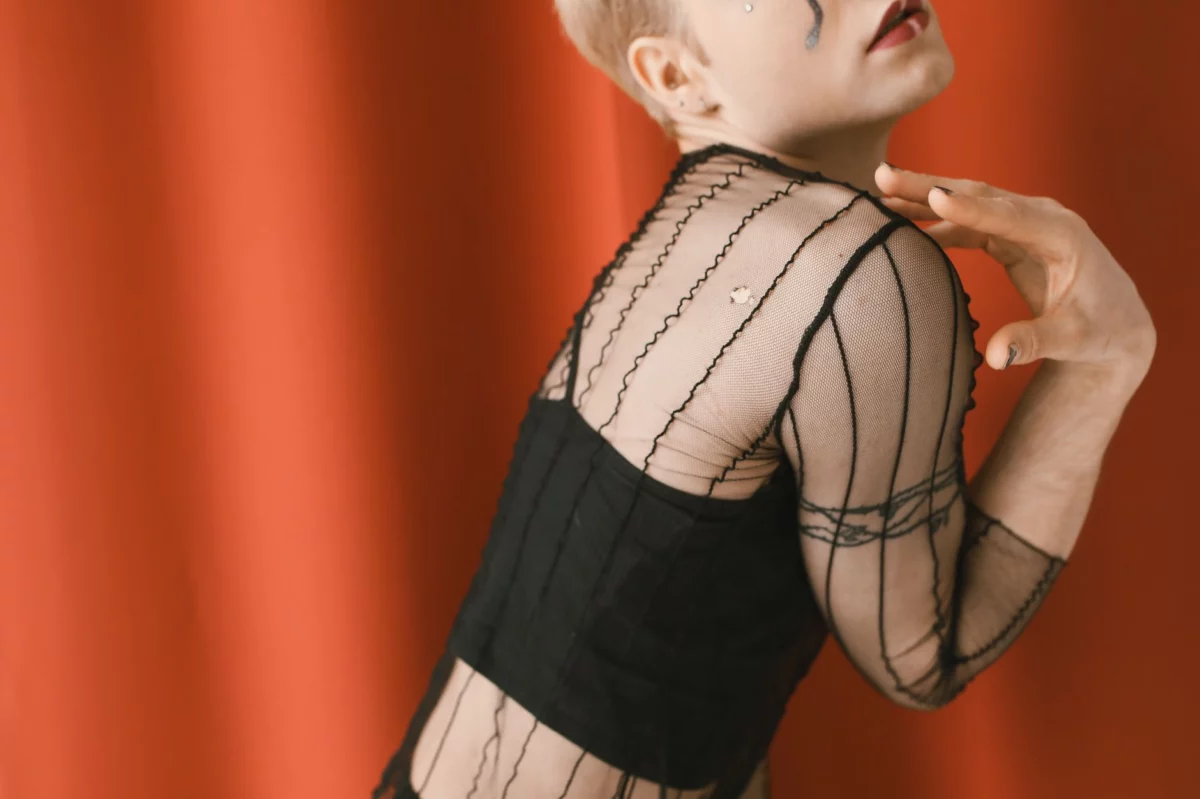
Lauren Goodger’s sheer corset snapshot is not interesting because it is revealing. It is interesting because it is engineered to be read in a second: black embroidery, a plunging neckline, translucent fabric, and a silhouette that leaves almost no ambiguity about the intended effect. The image sits at the intersection of Lauren Goodger‘s public persona, The Only Way Is Essex‘s reality-TV culture, and the rules of Instagram. It is not just an outfit post; it is a visibility tactic.
The tabloid language around the snap matters as much as the garment. Phrases such as ‘almost spills out’ convert styling into near-miss spectacle, which is exactly how celebrity content gets recycled. On social media, and especially in ephemeral features like stories, the quickest way to hold attention is to create tension between control and exposure. That tension is what makes the image travel.
Why the image works as a media event
Strong celebrity photos usually succeed for a simple reason: they communicate before they explain. High contrast, clear shape, and a recognisable personality do most of the work. A dark corset against skin is visually efficient. It reads instantly, even on a small screen. That efficiency matters because the modern feed rewards the image that can be understood in a glance, not the one that demands patience. This is one reason celebrity style remains so tightly linked to the logic of the scroll.
The post also benefits from the culture of the selfie. Whether the image is a mirror shot, a posed story, or a candid-looking frame, the audience reads it as self-authored. That reading gives the image authority. It says the subject is not being styled by a magazine alone; she is actively staging herself. In celebrity media, that difference is decisive.
The Essex label matters too because it carries a known visual shorthand: sculpted hair, strong makeup, and high-gloss nightlife styling. That shorthand is not accidental; it is part of the cultural text around Essex as a media identity, and it helps explain why a single photograph can feel instantly legible to British audiences.
The fashion mechanics behind a sheer corset
Structure and transparency
The corset is a historically loaded garment. Its original association was restraint and shape control. Modern fashion reuses that history, but often as theatre rather than discipline. A sheer clothing version changes the meaning again: structure remains, but concealment is partial. The result is not accidental exposure; it is controlled transparency.
That distinction matters. A sheer corset is effective only when the cut, seams, and lining are deliberate. If the garment lacks support, it stops reading as fashion and starts reading as a fitting problem. The strongest versions borrow from lingerie but move beyond it through tailoring. They should feel built, not borrowed.
Why black embroidery is the right choice
The black colourway is doing technical work. Black suppresses visual noise and lets the eye focus on contour. The embroidered detail adds texture, which is important because sheer fabric can look flat if nothing interrupts it. Embroidery gives the garment a second layer of information: the viewer sees both the body and the craft. That is why the look feels more intentional than a plain mesh top.
There is also a practical point here for anyone interested in fashion design. The most effective high-drama pieces rarely rely on one element alone. They combine fit, texture, and contrast. When those three align, the outfit becomes legible even before accessories or makeup enter the frame.
How reality TV trained audiences to read this kind of image
Reality television did not create celebrity self-branding, but it made it normal. Stars from The Only Way Is Essex learned early that visibility depends on recognisable visual cues: hair, contour, bold outfits, and a consistent pose language. Lauren Goodger has spent years in that system. Her posts therefore do not operate like random fashion experiments. They extend a known brand.
That is where glamour photography becomes relevant. The pose, lighting, and framing are designed to produce a polished impression of spontaneity. What used to be the work of a studio now happens inside a phone camera and an Instagram story. The platform changes the speed, not the logic. The goal is still to hold the viewer in a controlled image of desirability.
The body-confidence debate is too simple
Coverage of outfits like this often collapses into a lazy binary: empowerment or objectification. That is not a serious analysis. The better question is whether the image reflects agency, audience pressure, or both. In practice, it is usually both. A person can choose a daring look and still be responding to the reward structure of social media, where attention is often distributed toward images that are intimate, glossy, or provocative.
This is why body image and body positivity are relevant but not sufficient explanations. Confidence is real, but it is not immune to algorithmic incentives. A sexy snap can be empowering, strategic, commercial, or all three. Treating it as only one of those things usually means ignoring how modern celebrity works. Influencer culture thrives on that ambiguity.
A sheer corset works because it stages control, not chaos. The appeal is not that something might fall out; it is that the image makes that possibility feel like part of the composition.
That is also why the headline framing feels so blunt. It reduces styling to a bodily malfunction that never actually happened. The language sells urgency, but it also flattens the craft. The outfit is doing many jobs at once: creating shape, signalling confidence, and producing a photograph that can survive in a crowded feed.
What readers can actually learn from the look
There are practical styling lessons hidden inside the noise. First, choose one dominant idea. If the garment is sheer, the cut should be disciplined. If the neckline is deep, the rest of the silhouette should not compete. If embroidery or embellishment is already strong, jewellery should stay secondary. The best looks usually have one visual argument, not five.
Second, fit is non-negotiable. Sheer garments expose construction errors immediately. A top that is a little loose looks untidy; a top that is too tight looks strained. That is why celebrity pieces often appear effortless in photographs but are heavily adjusted off-camera. The image is simple because the preparation is not.
Third, budget versions require caution. The rise of fast fashion has made corset-inspired tops widely available, but low-cost fabric and weak structure can ruin the effect. Cheap mesh rarely hangs correctly, and poor boning turns a statement piece into a compromise. If the goal is a clean silhouette, tailoring matters more than trend-chasing.
Common mistakes that weaken the effect
- Adding too many competing details when the corset already has strong texture.
- Ignoring undergarment lines, which become visible under sheer fabric.
- Choosing lighting that washes out the embroidery or flattens the shape.
- Using oversized accessories that fight the neckline.
- Buying a size based on label vanity rather than actual fit.
These are not trivial concerns. They explain why some celebrity looks feel polished while others look improvised. The difference is rarely attitude alone. It is usually construction, proportion, and restraint.
What to watch next in celebrity style
The larger trend is unlikely to reverse. If anything, celebrity fashion will keep moving toward clothes that read well on a phone screen: dark palettes, sharp structure, visible skin, and enough detail to reward close inspection. The combination of body-conscious tailoring and low-friction posting is too effective to disappear. The question is not whether sheer corsets will remain in circulation; they will. The question is whether audiences will still treat them as daring once the formula becomes familiar.
That is the unresolved issue in posts like this. At first glance, the image looks like a simple confidence statement. On closer inspection, it is a precise piece of visual marketing built from the language of reality TV, glamour, and platform-era self-promotion. If every new outfit has to be a micro-event, then the next challenge for celebrities like Lauren Goodger is not how to get seen. It is how to stay interesting once exposure stops feeling exceptional.
FAQ
Why do sheer corset looks get so much attention?
They combine structure and reveal in one frame. That creates immediate tension, which makes the photo more likely to be noticed, discussed, and shared.
Is a corset top the same as lingerie?
Not exactly. A corset top can borrow lingerie cues, but fashion versions are designed as outerwear. The distinction comes down to cut, support, and styling context.
Why do reality stars keep posting this kind of image?
Because it reinforces a recognisable brand. In the reality-TV ecosystem, visual boldness is part of staying relevant, especially on Instagram and other social media platforms.
What should readers watch for in similar trends?
Watch for repetition. When sheer tailoring becomes common, the real differentiator moves from shock value to fit, fabric quality, and styling discipline.
The key insight is simple: the image works because it is both intimate and engineered. That is the direction celebrity style has taken across the last decade, and there is no sign of a reversal. The next developments to watch are not just new silhouettes, but changes in how platforms reward them, how audiences judge them, and whether public figures keep treating exposure as a proof of confidence or start using sharper, less predictable forms of visual control.
Frequently Asked Questions
Why does the article say the snap is more of a visibility tactic than just an outfit post?
Because the image is designed to work instantly in the feed: it combines a recognisable celebrity, a high-contrast silhouette, and enough tension between concealment and exposure to trigger attention. In that sense, the post is less about the garment alone and more about how celebrity visibility is engineered online.
Why is a sheer corset considered controlled transparency rather than simple exposure?
A sheer corset still relies on structure, shaping, and deliberate design. The transparency is part of the message, but so are the seams, support, and styling choices. If those elements are strong, the piece reads as fashion with intent rather than accidental reveal or a wardrobe malfunction.
What does the article mean by the tabloid phrase 'almost spills out'?
It refers to the media’s habit of turning styling into near-miss spectacle. Instead of describing the outfit neutrally, tabloids frame it as a moment of risk or excess, which makes the image more clickable and easier to recycle. The wording creates drama even when the picture itself is carefully controlled.
Why does the Essex label matter in how audiences interpret the photo?
Because 'Essex' functions as a cultural shorthand. For many British readers, it suggests a familiar style code: polished hair, strong makeup, body-conscious outfits, and nightlife glamour. That shared visual language makes the image feel instantly readable, even before viewers analyze the actual clothing.
How did reality TV influence the way celebrity photos like this are read?
Reality TV trained audiences to expect self-branding through repeated visual cues. A pose, a makeup style, or a revealing outfit can signal character as much as fashion. So a post like this is read not as a random image, but as part of an ongoing performance of identity and visibility.