
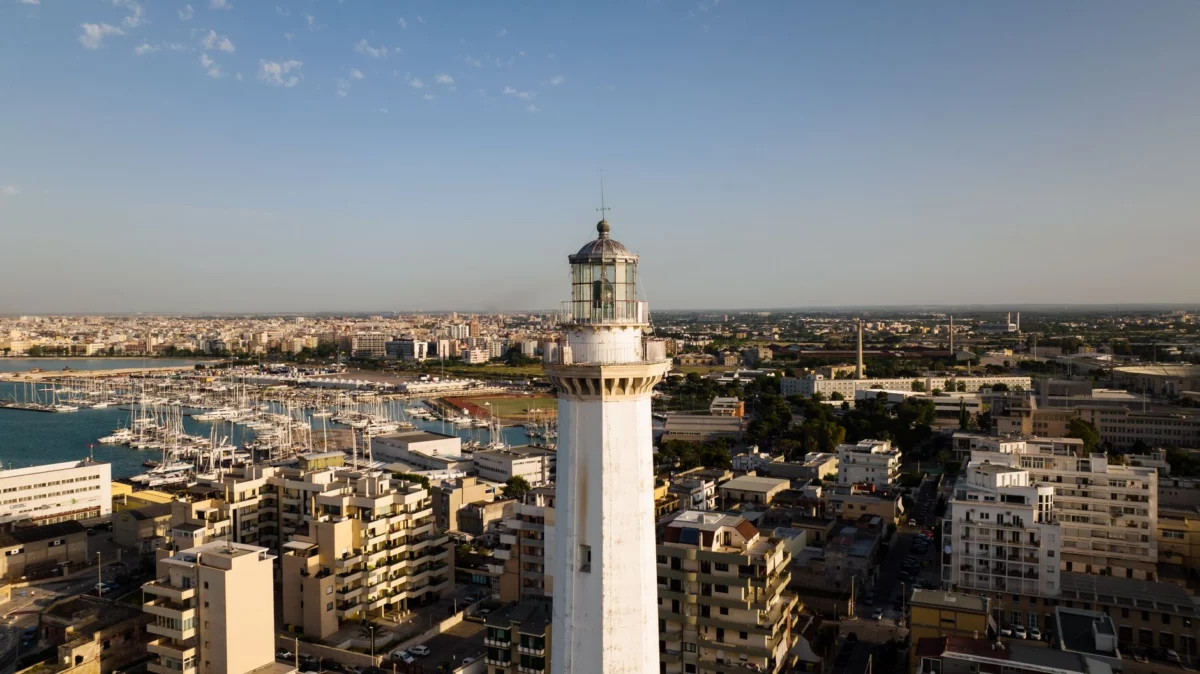
A Puglia travel guide should begin by rejecting the lazy postcard. The region is often sold as the Maldives of Italy, but that label is only partly useful: it captures the water, misses the city, and ignores the way new easyJet routes are changing who comes here, how long they stay, and what they expect on arrival. In practice, the real draw is not a single beach. It is the combination of Puglia, Bari, the Adriatic Sea, and a food culture that still feels local enough to resist total packaging.
That is why the new travel story matters. Easier access does not just fill planes; it changes the shape of tourism itself. Bari is no longer merely the point where you land and leave. For many visitors, it is becoming the place where they eat, drink, walk, and start to understand why southern Italy works best as a layered trip rather than a checklist.
What the Maldives of Italy label gets right, and what it hides
The nickname is not entirely wrong. Puglia has long stretches of pale sand, unusually clear water, and a coastline that looks expensive without always being exclusive. The southern end of the region, especially Salento, can deliver shallow turquoise water that justifies the comparison at first glance. Parts of the north, including the Gargano promontory, offer a different coastal profile: more dramatic, more rugged, less resort-driven. The problem is that the slogan collapses all of this into a single visual promise.
That flattening matters. The Maldives are a self-contained luxury fantasy; Puglia is a living region with towns, ports, farms, churches, and the seasonal rhythms of a working economy. Its appeal depends on a Mediterranean climate, yes, but also on density and contrast. A morning in the old city, an afternoon on the coast, and a late dinner in a square are not extras. They are the product.
Puglia’s strongest asset is not that it resembles another place. It is that it can give you a city, a coastline, and a kitchen in the same itinerary without forcing you to choose one over the others.
That is why the comparison should be handled carefully. Some beaches in Polignano a Mare are spectacular but compact. Other stretches around Monopoli, Apulia are better for wandering than for sun-lounger culture. Inland, the landscape changes again, leading toward the whitewashed towns and stone architecture that make Puglia distinct from every overused beach metaphor.
Bari is not an airport town
Too many visitors treat Bari as a transit point, which is a mistake. The centre, especially Bari Vecchia, has enough density, noise, and lived-in texture to reward several hours even if you never leave the city. The area around the Basilica di San Nicola, the Norman-Swabian Castle, and the waterfront gives you a compressed history lesson without the museum tone. You see a port city that has always faced outward but never stopped being itself.
That character is what makes the nightlife credible. Bari does not have the polished, curated feel of some better-known Italian destinations. Instead, it has bars tucked into stone streets, locals who actually use the squares, and an aperitivo culture that feels social rather than performative. An Aperol Spritz here is not a brand signal; it is a practical prelude to conversation, food, and late movement through the city.
There is also a useful tension in Bari’s image. The city is modern enough to have an active airport, Bari Karol Wojtyła Airport, but old enough to remain anchored by stone, sea, and ritual. That combination explains why the city now works as a destination in its own right. A traveller who arrives for the coast and never spends time in the centre is leaving the trip half-finished.
The case for orecchiette is bigger than pasta
Food is where Puglia becomes impossible to reduce. The region’s signature orecchiette may be translated as little ears, but the name undersells their cultural importance. In Apulian cuisine, pasta is not merely a side note to seafood; it is one of the clearest expressions of the region’s agricultural logic and domestic history. Orecchiette with cime di rapa is simple, direct, and unforgiving of bad ingredients. That is exactly the point.
The same applies to other local staples. Burrata is famous because it is generous, but it is also a reminder that the region’s dairy tradition matters as much as its coast. This is not food built for novelty. It is food built for repetition, seasonality, and practical abundance. That makes it more convincing than the tourist version of
Frequently Asked Questions
Is Bari worth staying in, or is it just a place to fly into before heading to the coast?
Bari is worth more than a transfer stop. Bari Vecchia, the Basilica di San Nicola, the Norman-Swabian Castle, and the waterfront give the city enough texture for a proper visit. Its appeal is that it adds urban life, food, and nightlife to a trip that might otherwise be only beaches, making the journey feel more complete.
What does the "Maldives of Italy" label get wrong about Puglia?
It suggests Puglia is only about turquoise water and beach luxury, which hides the region’s real depth. Puglia also includes working ports, historic towns, inland stone architecture, and a strong food culture. The best trips here mix city, coast, and countryside rather than treating the shoreline as the whole story.
Which part of Puglia is better if I want beaches without the resort feel?
It depends on the atmosphere you want. Salento is ideal for shallow, clear, turquoise water, while the Gargano promontory feels more rugged and dramatic. Around Monopoli and Polignano a Mare, beaches are often compact and scenic rather than resort-like, so they suit travelers who want atmosphere over lounge culture.
How are easyJet routes changing the experience of visiting Puglia?
Cheaper and easier flights are not just increasing visitor numbers; they are changing expectations. More people now arrive for shorter, more flexible trips and are more likely to use Bari as part of the holiday itself. That shift encourages a layered itinerary, where visitors combine city time, beach time, and food experiences instead of rushing through one stop.
Why is orecchiette so important in a Puglia travel guide?
Orecchiette matters because it represents how central food is to the region’s identity. In Puglia, pasta is not a side attraction to seafood or beach dining; it is part of the core culinary culture. Eating local dishes is one of the best ways to understand the region beyond its scenery and postcards.
Can you enjoy Puglia properly without renting a car?
You can, but your experience will be narrower. A city base like Bari works well for food, walking, and short excursions, and some coastal towns are reachable by train. Still, a car gives you much more freedom to combine beaches, inland villages, and less obvious parts of the region in one trip.