
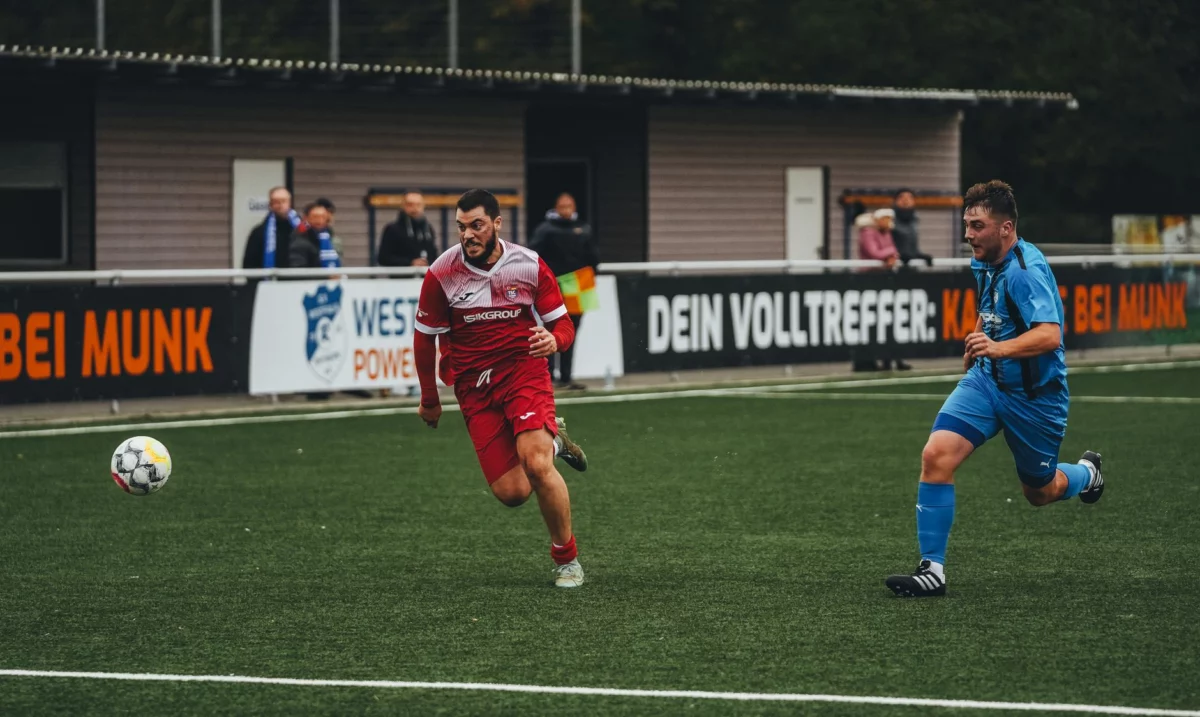
A reported non-league football manager impersonation at Gainsborough Trinity is more than an odd local story. It highlights how quickly trust can be abused in association football, especially when players, coaches, and volunteers rely on informal communication. According to the club, a person had been approaching players while falsely claiming to be their manager. In practical terms, that is not only a social nuisance; it sits at the intersection of social engineering, impersonation, and club safeguarding.
The reason this matters is simple. In non-League football, authority is often personal rather than institutional. Players may know staff by voice, by phone number, or by a familiar message in a WhatsApp group. That creates convenience, but it also creates vulnerability. A convincing impostor does not need access to club systems if they can exploit the human habit of assuming that the person who sounds in charge probably is in charge.
Why impersonation is such a serious problem
At first glance, this may look like harmless mischief. It is not. False claims of authority can disrupt selection decisions, unsettle players, damage trust in the dressing room, and expose private contact details. In the worst cases, they can lead to financial scams, harassment, or the theft of personal information. Those risks overlap with identity theft and fraud, even if the immediate motive is simply attention or embarrassment.
Smaller clubs in the English football league system often operate with limited administrative capacity. A single volunteer secretary, a part-time coach, and a handful of helpers may be enough to run day-to-day operations. That does not mean the club is careless; it means the club is exposed. A false message from a supposed manager can travel faster than the club can verify it, particularly when decisions are made across phones rather than in person.
When authority is communicated through informal channels, the real security question is not who can speak loudly, but who can prove they are genuine.
How non-league clubs can reduce the risk
The most effective response is not panic; it is process. Clubs should define who is authorised to contact players, what those contacts should look like, and how verification works when a message seems unusual. That sounds basic, but many impersonation incidents succeed because nobody has been told what to do when something feels off.
Practical safeguards that actually help
- Use a single official contact list. Players should know exactly which number or email belongs to a manager, coach, or administrator.
- Verify unexpected requests. If someone claims to be staff, confirm through a known channel before acting.
- Limit sensitive information in group chats. Selection updates, travel details, and personal contacts should be shared carefully.
- Train volunteers and players. A short briefing on impersonation and suspicious messages can prevent confusion later.
- Escalate early. If a person is approaching players without permission, the club should document it and, where needed, involve the Football Association or police.
These steps align with wider safeguarding practice in sport and with the realities of modern sports management. They also help protect a club’s reputation management position, because a transparent response is always better than silence or confusion.
What players should watch for
Players are often the first line of defence because they are the people most likely to be approached. The warning signs are usually small: a contact who uses a new phone number, a request that bypasses normal staff, vague answers about club procedures, or pressure to act quickly. A real manager may be direct, but a legitimate request should still be easy to verify.
It also helps to remember that modern football communication is broader than just the touchline. Messages may come through text, social media, voice notes, or private group chats. The more channels a club uses, the more important it is to keep them consistent. If a person claiming to be staff only exists in one unverified channel, that is a red flag.
Why this incident resonates beyond one club
Impersonation incidents like this are a reminder that football is not immune to the same tactics used in everyday scams. The difference is that in a club environment, trust is accelerated by shared identity. Players want to believe the person contacting them belongs there. That instinct is useful on a team, but it can be dangerous when exploited.
For smaller clubs, the broader lesson is to treat communication as infrastructure. The best teams in the lower leagues do not only build for fitness and tactics; they build for verification. That means clear reporting lines, a known chain of authority, and a culture where players can say,
Frequently Asked Questions
Why are non-league clubs more vulnerable to impersonation than professional clubs?
Non-league clubs often depend on informal relationships, volunteer staff, and phone-based communication rather than tightly controlled systems. That makes it easier for an impostor to sound legitimate and harder for players to know when something is unusual. The issue is not negligence; it is that trust is built personally, which can be exploited very quickly.
Is impersonating a manager just a harmless prank if no money is involved?
No. Even without money changing hands, impersonation can disrupt team decisions, create confusion in the dressing room, expose private contact details, and damage trust between players and staff. In some cases, it can also pave the way for harassment, fraud, or identity theft. The harm is often social at first, but the risks can escalate.
What is the simplest way for a club to verify a message without creating extra bureaucracy?
The most practical approach is to use a pre-agreed verification channel, such as a known phone number, official email address, or a quick cross-check with the club secretary. The key is consistency: players should already know how authentic communication looks, so they can confirm anything unusual before responding or sharing information.
What should a player do if someone contacts them claiming to be club staff?
They should avoid acting on the message immediately, especially if it involves selection, travel, payments, or personal details. The safest move is to verify the sender through an official club contact before replying. If the approach seems suspicious or persistent, the player should save the evidence and inform the club as soon as possible.
Why are group chats and social media such a problem for club security?
Because they blur the line between official and unofficial communication. In group chats, it is easy for people to assume a message is legitimate simply because it appears in the right place or uses familiar language. Social media and private messaging also make it harder to control who sees sensitive information, which increases the risk of misuse.
When should a club involve the Football Association or police over impersonation?
If the impersonation is repeated, targeted, involves harassment, or appears to be linked to attempts to obtain personal information or money, the club should escalate it. Documenting the incidents is important, and external reporting may be necessary if the behavior threatens safeguarding, privacy, or safety. Early action is usually better than waiting for the situation to worsen.