Meta Upgrades AI Glasses Privacy to Block Secret Recording
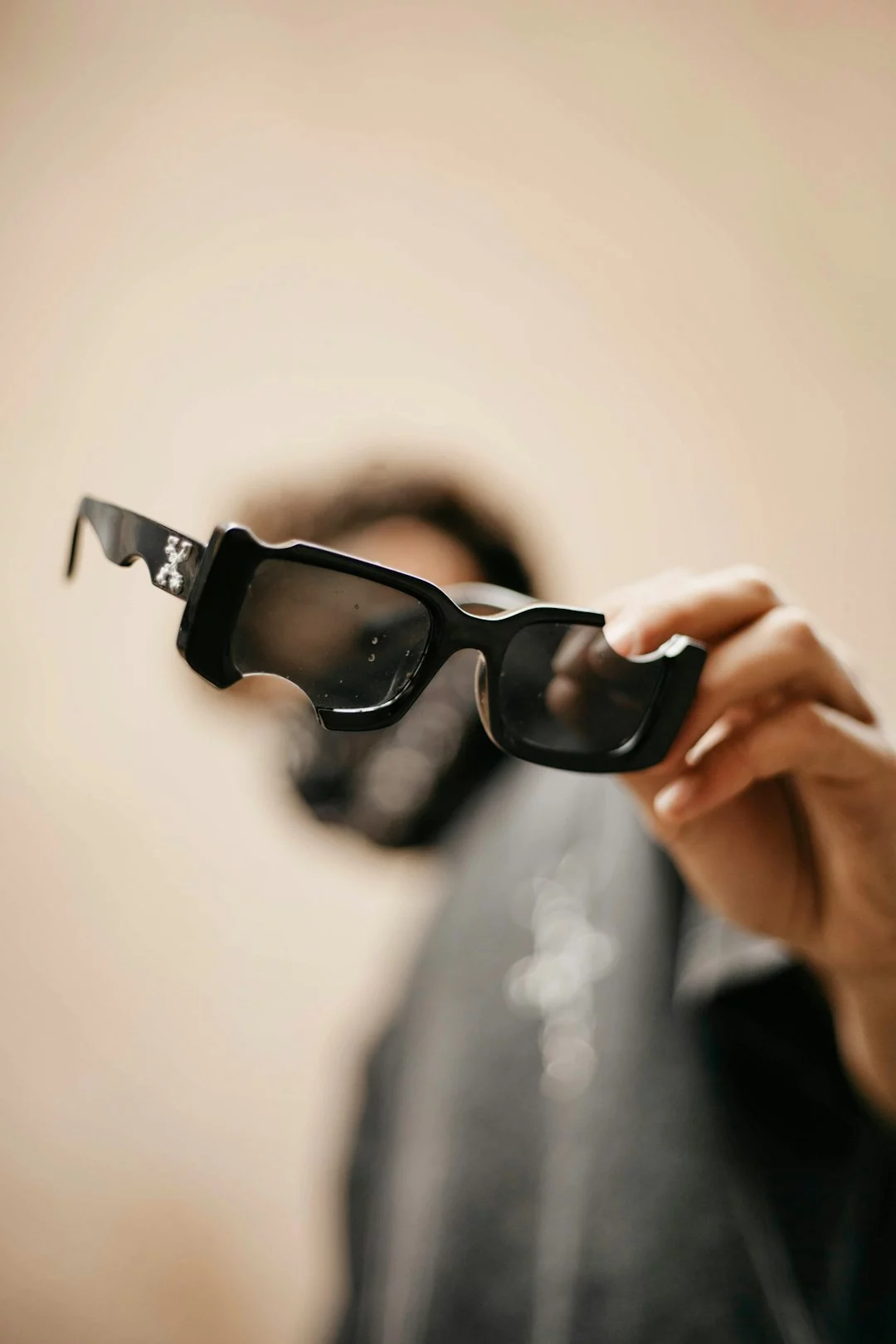
Meta’s latest move on wearable AI arrives with a clear message: Meta AI glasses privacy features are being upgraded to reduce the risk of users secretly recording other people. In this article, you’ll learn what the privacy fix changes, how consent-focused safeguards can work in everyday situations, and what practical steps you can take—whether you wear AI eyewear or you’re simply around someone who does.
Key Takeaways
- Meta updated its AI glasses privacy protections to block behavior associated with unauthorized or non-consensual filming.
- Privacy safeguards on smart eyewear aim to improve transparency—especially in close, real-world interactions.
- Legal expectations around recording others typically hinge on lawful basis and consent requirements, which vary by jurisdiction.
- Best practice is still behavior + clear signals: wearers should communicate, while bystanders should look for visible cues and settings.
What privacy change is Meta adding to its AI glasses?
According to Meta, its AI glasses privacy features have been upgraded to address a serious trust problem: stopping users from filming people in situations where consent hasn’t been clearly obtained. The core outcome is straightforward—if the device detects or flags conditions associated with covert recording, the glasses are intended to prevent recording rather than allow it to happen under the radar.
This matters because wearable AI is different from a phone you can visibly hold at arm’s length. Smart glasses sit closer to the wearer’s eyes and face-level context, which can make
Frequently Asked Questions
What exactly does Meta change in its AI glasses privacy protections?
Meta says it has upgraded the privacy features to reduce the risk of covert recording. The approach is to detect or flag conditions tied to unauthorized filming, and then block recording rather than letting it happen “under the radar.” The goal is stronger trust in close, face-level interactions where smart glasses are much harder to dismiss than a phone.
How could the glasses decide to stop recording in real-world situations?
While Meta doesn’t provide a simple checklist, the intent is that the device recognizes patterns consistent with non-consensual filming and prevents capture. In practice, that means the system focuses on context—especially when the camera would be pointed toward people at close range—so safeguards trigger when consent cues are unclear or absent.
Will this update also affect recordings Meta AI glasses users make with consent?
The stated focus is on blocking behavior linked to unauthorized or non-consensual filming, not on eliminating all recording. If users are in situations where capturing content is lawful and clearly consented, the protections should be less likely to interfere. Still, real outcomes can depend on how the device interprets context and local rules.
What should bystanders look for to know when recording might be happening?
Best practice highlighted by the article is “behavior plus clear signals.” Look for visible cues such as the user communicating, obvious device status indicators, and whether the wearer appears to be addressing the situation transparently. If you’re unsure, treat it as “not consented” and ask the wearer before continuing in close proximity.
Do recording laws work the same everywhere when it comes to smart glasses?
No. The legal expectations around recording others depend on lawful basis and consent requirements, which vary by jurisdiction. Even with privacy safeguards, you should still assume rules differ across countries, states, and contexts (for example, public spaces vs. private areas). When in doubt, seek permission or move to a less sensitive location.