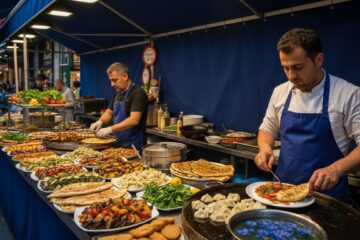
Chefs and vendors embrace plant-forward and regional produce in Istanbul’s evolving street scene
Istanbul’s street food story is often told through famous classics: simit on the ferry route, midye dolma by the water, or a quick bowl from a rice cart between errands. Yet the city’s evolving food scene is now also being shaped by a more plant-forward approach and a renewed focus on regional produce, with chefs and vendors drawing attention to seasonal vegetables, olive oils, pulses, herbs and ingredients tied to specific parts of Türkiye.
For readers in the UK looking to understand modern Turkish food culture, this shift is especially interesting because it is not a passing fad imported from elsewhere. In Istanbul, plant-forward cooking and regional sourcing are being absorbed into a long-established food tradition, where neighbourhood identity, market culture and Anatolian culinary heritage already play a central role in what people eat every day.
Istanbul’s street food scene enters a global spotlight
Michelin’s arrival helped place Istanbul firmly on the global culinary map. When the guide launched in the city in 2022, Michelin said its inspectors had followed Istanbul “for a long time,” pointing to its “quality, maturity, and excellence” as well as the city’s “incredible dynamism and potential” shaped by both homegrown and international chefs.
That global recognition matters because it confirms something locals already knew: Istanbul is not a one-note food city. TRT World reported that the metropolis has more than 31,000 eateries and represents around 40% of Türkiye’s gastronomic economy. Such scale creates room for both fine dining and everyday street trade, with trends often moving between the two rather than staying in separate worlds.
As a result, the conversation around Istanbul street food is changing. The city’s cooks, stallholders and restaurateurs are increasingly being noticed not only for speed, affordability and flavour, but also for how they interpret local vegetables, regional pantry staples and neighbourhood food traditions in fresh but recognisably Turkish ways.
Plant-forward does not mean less Turkish
One of the most important points in Istanbul’s current food evolution is that plant-forward eating does not mean abandoning the city’s culinary identity. In many ways, vegetables, legumes, grains and olive oil have always been central to Turkish home cooking and meyhane tables, long before the phrase became popular in international food writing.
Today, chefs and vendors are placing these ingredients more visibly at the centre of the plate. Seasonal greens, roasted aubergines, stuffed vegetables, bean dishes, pickled produce and herb-led preparations fit naturally into Istanbul’s food language. Rather than replacing beloved fish, meat or street favourites, they sit alongside them and often deepen the sense of place.
This is why the trend feels authentic. The move toward plant-forward menus in Istanbul is better understood as a heritage revival than a break from tradition. Ottoman, Anatolian and regional cuisines have long offered rich examples of cooking that celebrates produce, pulses and preservation, and today’s food scene is building on that foundation.
Regional produce gives the city new energy
Food expert Vedat Milor has described Istanbul as offering “an interesting” experience for “conscious food lovers who want to explore the cuisines of different regions of Türkiye.” That idea helps explain why regional produce has become so important in the city’s evolving culinary identity. Istanbul is increasingly seen as a showcase where ingredients and techniques from across the country meet urban curiosity.
For diners, this means the city is not only about iconic dishes but also about discovery. A meal might highlight olive oil from the Aegean, pulses associated with central Anatolia, herbs and vegetables from the Black Sea region, or old-style pantry items rooted in southeastern traditions. The city becomes a living map of Turkish food culture.
For chefs and street vendors alike, regional produce offers both quality and storytelling. Customers are often looking for more than a quick bite; they want flavour tied to memory, geography and season. In a city as layered as Istanbul, ingredients with a clear origin help create that connection.
Neighbourhood identity shapes what people eat
A recent Guardian feature suggested that the best way to understand Istanbul is “through its food,” tracing routes from döner kebab in Beşiktaş to fish-rich menus in Tarabya and Anatolian specialities in Kadıköy. That neighbourhood-by-neighbourhood character is essential to the city’s food culture and helps explain why local sourcing resonates so strongly.
The same report described Istanbul as feeling like “a collection of villages, stitched together over the centuries.” It is a striking phrase, and a useful one. In practical terms, it means food habits remain highly local. What sells well in one district may reflect its shoreline, commuter traffic, resident communities, market access or longstanding specialty shops.
This local identity gives street food a different meaning in each area. Plant-forward dishes and regional produce do not appear in a vacuum; they are shaped by who lives nearby, what is sold in local markets and which culinary traditions dominate a neighbourhood. That is one reason why Istanbul street food continues to feel varied, personal and rooted.
Kadıköy and other districts lead the way
Kadıköy has become one of the clearest examples of this shift. The Guardian described it as “one of the city’s foodiest neighbourhoods,” and its appeal lies partly in how it balances everyday life with culinary exploration. Markets, casual eateries and specialist shops all contribute to an environment where regional ingredients and produce-led dishes can thrive.
In districts like Kadıköy, diners are often open to menus that spotlight Anatolian specialities, seasonal vegetables and old-fashioned pantry items alongside more familiar street staples. This makes such areas ideal testing grounds for chefs and vendors who want to serve food that feels contemporary but still deeply tied to Turkish regional cooking.
Other neighbourhoods contribute in different ways. Beşiktaş, Tarabya, Çukurcuma and waterside areas near the Bosphorus each express distinct food identities, whether through fish, takeaway classics, market retail or snack culture. Together, they show that Istanbul’s evolving street scene is not concentrated in one place but spread across a mosaic of local food worlds.
Street vendors remain at the heart of daily life
Even with more international attention, Istanbul’s street culture still depends on simple, familiar and affordable eating. TRT World describes the city’s street food as “practical, cheap and quick,” with chickpea and rice carts, simit wagons and mussel trays woven into everyday neighbourhood life. Near the Bosphorus in particular, buying food from vendors remains part of the daily routine.
This matters because the growth of plant-forward and regional food has not pushed out traditional vendor culture. Instead, it is influencing it gradually. Seasonal vegetables, herb-rich fillings, pickled accompaniments and more careful ingredient sourcing can all be integrated into the kinds of foods people already buy on the street.
Street vendors often respond faster than formal restaurants to shifts in daily demand. If customers are looking for fresher, lighter or more seasonal options, vendors are well placed to adapt while keeping prices accessible. That flexibility helps keep Istanbul street food vibrant and relevant across social groups.
Markets, pickle shops and spice sellers keep the chain alive
Istanbul’s food scene does not begin in the restaurant kitchen. It starts with the city’s layered retail culture: market stalls, olive-oil sellers, pickle shops, spice merchants and specialist grocers. In its 2024 coverage, the Guardian highlighted exactly this kind of street-level food retail in Çukurcuma, where everyday shopping still anchors culinary life.
These businesses are essential to the rise of regional produce. They make ingredients visible, accessible and part of public conversation. When residents and visiting diners see seasonal vegetables, preserved goods, oils and spices sold with pride, it reinforces the idea that produce has provenance and character, not just utility.
For chefs, these supply chains are invaluable. For vendors, they are practical. For communities, they preserve knowledge. The renewed interest in plant-forward food depends not just on menu language but on this wider ecosystem of traders who continue to connect Istanbul’s streets with Türkiye’s agricultural and regional diversity.
An old vendor tradition supports a new food movement
While recent coverage highlights a modern shift, older reporting shows that the roots run deep. Al Jazeera noted years ago that Istanbul’s vendors were already selling seasonal fruit and vegetables, pastries and milk from local farms, while “small organic markets and food trucks are popping up everywhere.” The current moment therefore extends an older culture rather than inventing a new one.
That continuity helps explain why the trend feels so natural in Istanbul. A city used to buying from street sellers, neighbourhood markets and local specialists is already primed to value seasonality and origin. Plant-forward choices do not need heavy explanation when many households still recognise the importance of fresh produce, preserved foods and regional ingredients.
In this sense, Istanbul’s changing street scene reflects adaptation rather than disruption. Younger chefs may use newer language, and destination dining may attract more media attention, but the underlying habits of sourcing, selling and eating remain connected to a long vendor tradition.
For the Turkish community in the UK and for anyone interested in authentic Turkish food culture, Istanbul offers a useful reminder that innovation often grows from familiarity. The city’s most exciting food developments are not separate from daily life; they are emerging from the same streets, neighbourhood shops and regional ties that have long sustained its culinary identity.
As Istanbul street food continues to evolve, chefs and vendors are showing that regional produce, seasonal cooking and plant-forward ideas can sit comfortably within a deeply traditional food landscape. That balance between heritage and change is part of what makes the city such a compelling destination for food lovers, and such an important reference point for understanding where Turkish cuisine is ing next.