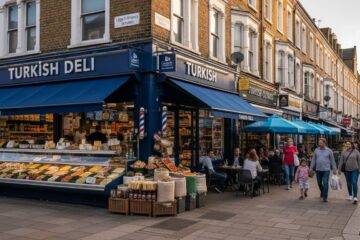
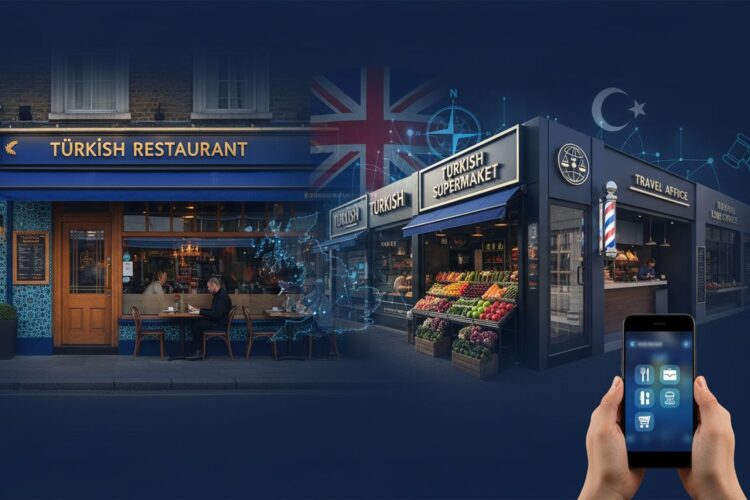
From food halls to family-run firms: spotting authentic diaspora services in your area
In many UK neighbourhoods, diaspora services are no longer hard-to-find niche offerings. From busy food halls and independent grocers to accountants, travel agents, barbers, childcare providers, and advice centres, these businesses often sit at the heart of community life. Recent business data from the U.S. also reinforces a wider global trend: minority-owned and immigrant-linked businesses are a major part of local economies, not a side story. That matters because when people search for reliable, culturally aware support, they are often looking for businesses shaped by lived experience as much as by commerce.
For the Turkish community in the UK, and for anyone seeking Turkish services, the question is not simply how to find a business with the right flag, logo, or menu. It is how to spot authentic diaspora services in your area in a way that respects real community ties. The strongest signals are usually practical: language access, trusted recommendations, visible involvement in local networks, and services built around everyday needs. Whether you are exploring a food hall, browsing a local directory, or asking neighbours for advice, authenticity tends to reveal itself through function rather than decoration.
Why diaspora services matter more than ever
One of the clearest lessons from recent business data is that diaspora enterprise is now economically significant. The U.S. Census Bureau reported about 5.9 million employer firms in 2022, including 1.3 million minority-owned firms, or 22.6% of the total. It also counted 650,680 Asian-owned businesses, with 144,141 of those, or 22.2%, in Accommodation and Food Services. Even though these figures are from the U.S., they help illustrate a broader point relevant to UK communities too: diaspora businesses are operating at meaningful scale, especially in sectors people use every day.
That scale changes how we should think about authenticity. Authentic diaspora services are not rare curiosities hidden in a few specialist streets. They are often mainstream local infrastructure, helping communities eat, work, navigate paperwork, maintain health, and stay connected to culture. For Turkish business owners in the UK, this is an encouraging message. It shows that culturally rooted businesses can be both community-driven and commercially strong.
There is also a wider development angle. The World Bank’s diaspora-investing materials frame diaspora engagement as a source of business and investment interest, including support for new ventures and productive investment. In simple terms, diaspora services do not only preserve identity; they help build local economies. When you support a trusted Turkish grocer, legal adviser, café, clinic, or home-service provider, you may also be supporting job creation, mentoring, and investment inside the community.
Start with food halls, markets, and ethnic supermarkets
If you want a practical way to spot authentic diaspora services in your area, food is often the best starting point. A 2025 industry summary for U.S. ethnic supermarkets estimated revenue at $58.9 billion in 2025 and linked growth to immigration-driven population change. Food is where community preferences become highly visible: ingredients, preparation styles, regional products, hospitality habits, and even the languages spoken at the counter all tell you something about who the service is really built for.
Food halls are especially useful because they bring several signals together in one place. The SBA Office of Advocacy reported that immigrants made up 36.8% of employer businesses in accommodation and food services. That concentration means food stalls, market counters, bakeries, tea shops, and casual dining spaces can act as a first map of a local diaspora economy. In many areas, one authentic food business leads you to others nearby, from grocers and butchers to travel services, accountants, and event suppliers.
For Turkish communities in the UK, this can be very familiar. A genuine Turkish food business may also be a social node: somewhere people hear about tutors, translators, wedding services, tradespeople, job openings, and property help. So use neighbourhood food halls as an authenticity filter, not just a dining destination. Look beyond the menu and notice whether the business seems embedded in local life, whether regulars know each other, and whether the staff can naturally guide you toward other community-based services.
Look for operational signals, not decorative ones
One of the biggest mistakes people make is treating authenticity as a visual style. A patterned interior, a few imported products, or a national symbol on the wall may create atmosphere, but they do not prove that a service is genuinely rooted in diaspora life. Recent guidance across public-health and community-engagement sources points in a different direction. The strongest authenticity signals are operational, not decorative.
Language access is one of the clearest examples. CDC-linked diaspora service listings include services offered in English, Haitian Creole, and Spanish, showing how multilingual delivery can reveal a real diaspora orientation. In a UK Turkish context, this might mean a business that can comfortably support clients in Turkish and English, explain processes clearly to different generations, and switch naturally between cultural expectations. Language here is not a branding feature; it is evidence that the service understands everyday community needs.
Other useful signs include flexible service design, realistic opening hours, culturally aware communication, and practical knowledge of family structures or migration experiences. A trustworthy accountant might understand overseas income questions. A solicitor may know how to explain documentation sensitively to first-generation clients. A shopkeeper may stock products that matter for religious observance, hospitality, or regional cooking traditions. These details show lived understanding, which is often far more meaningful than surface aesthetics.
Follow trusted community recommendations
When people need a service they can rely on, they rarely start with abstract marketing claims. They ask someone they trust. That pattern appears strongly in recent community-outreach material. UNHCR’s work on refugee outreach notes that participants often trust services recommended by members of their own community. This is a simple but powerful rule for anyone trying to identify authentic diaspora services locally: ask who the community itself recommends.
In practice, this means looking beyond online ads and star ratings alone. Community centres, mosques, cultural associations, women’s groups, youth organisers, neighbourhood WhatsApp groups, and respected local business owners can all be valuable sources of guidance. UNHCR’s 2025 engagement materials also emphasise strengthening grass-roots organisations and communication channels, which suggests that authentic services are often most visible through local networks rather than broad public advertising.
For Turkish people in the UK, this is often how the best services are found. Someone hears about a reliable driving instructor through a relative, a good accountant through a shop owner, or a trusted caterer through a community event. These referrals matter because they are based on real outcomes, not polished copy. If several unrelated people in the same community mention the same business for the same reason, that is usually a stronger authenticity signal than any slogan.
Pay attention to family-run firms and long-term ties
Family-run firms often carry a special kind of credibility within diaspora communities. That does not mean every family business is automatically better, but it does mean many are built on long-standing relationships, reputation, and repeat trust. Recent OECD analysis notes that return, reintegration, and re-migration are shaped by family and community ties rather than purely individual choices. Those same ties often shape how diaspora businesses are created, sustained, and recommended.
This is especially visible in food and household-scale enterprise. Census and SBA data show large shares of minority- and immigrant-owned businesses in food service, which fits what many people already observe on the ground: family-run storefronts, stalls, cafés, takeaways, and market counters are a major entry point into diaspora entrepreneurship. These firms often grow slowly through service, consistency, and kinship networks rather than through aggressive expansion.
In the Turkish context, a family-run bakery, grocery, textile shop, or repair service may be valuable not just because of what it sells, but because of the social trust behind it. Staff may know customers across generations. Owners may support weddings, funerals, fundraising events, or local sponsorships. They may also quietly help newcomers settle in by sharing advice, introducing professionals, or signposting support. This kind of embeddedness is hard to fake and often marks a genuinely authentic diaspora service.
Notice when a business acts as a community hub
Some of the most trustworthy diaspora services do more than sell one product. They function as multi-service hubs where food, language, information, and social support come together. This idea appears repeatedly in community-engagement guidance. CDC materials and REACH examples show that successful local initiatives often connect residents to health, food access, and social services through trusted neighbourhood partners. That model can help you recognise authenticity in everyday local life.
A CDC-linked Diaspora Community Services listing offers a useful example of what broader support can look like. It includes case management, PrEP navigation, HIV testing, and hepatitis C testing. The exact services may differ in the UK, but the principle remains relevant: when a business or organisation helps people solve practical problems beyond the immediate transaction, it often reflects real trust and real community need. A place that can signpost housing advice, language classes, legal support, or health resources is often serving as more than a business.
For readers interested in Turkish services, this may mean paying attention to venues that double as information points. A community café may host announcements. A grocery may display notices for tutors and tradespeople. A cultural centre may connect families to translation, events, and welfare guidance. Authentic diaspora services often cluster around these support functions because they grow from daily realities, not from a one-dimensional idea of culture.
Check whether community organisations know them
Another practical clue is whether local organisations recognise and work with the service. CDC and ATSDR guidance emphasises working with local organisations and community leaders to identify cultural contacts and understand the community. That matters because genuinely rooted diaspora businesses are often already known to the people doing on-the-ground support.
If a local association, cultural group, advice centre, or faith leader is aware of a business and willing to mention it, that does not guarantee perfection, but it is a meaningful signal. It suggests the service is visible within the community’s real operating network. By contrast, some businesses market heavily to diaspora audiences without building any actual local relationships. They may look the part online yet remain absent from the spaces where trust is formed.
In a UK Turkish setting, you might ask whether a business is known by local Turkish associations, event organisers, parent groups, or cultural initiatives. Have they supported a festival, sponsored a youth activity, supplied a community event, or helped newcomers access services? Those are strong indicators that the business is participating in communal life rather than simply targeting a demographic.
Use a simple checklist to verify authenticity
When trying to spot authentic diaspora services in your area, it helps to use a short checklist. First, ask whether the service is recommended by people in the community itself. Second, check whether staff can communicate in relevant languages clearly and respectfully. Third, look for signs that the business understands local cultural habits, family needs, and practical migration-related realities. Fourth, see whether it is connected to community centres, organisations, or events.
Then add a second layer of observation. Does the business have regulars from the community it claims to serve? Does it offer culturally specific products or service design in a natural way rather than as a token gesture? Does it seem able to guide customers toward other useful local contacts? Is it known for solving real problems, not just making attractive claims? These are often better tests than visual branding alone.
Finally, remember that authenticity is not about excluding others. A truly authentic diaspora service can be welcoming to everyone while still being rooted in a particular community’s needs and traditions. In fact, some of the best Turkish businesses in the UK succeed precisely because they combine cultural depth with openness, helping both long-established community members and newcomers feel at ease.
As diaspora engagement increasingly becomes part of economic development, the value of these businesses will only grow. Public institutions and international organisations are paying more attention to participation, communication, feedback, and organisational adaptation because community trust matters. UNHCR’s 2025 materials make that clear, and the same lesson applies locally: services that listen, adapt, and stay accountable tend to earn lasting credibility.
So whether you begin in a food hall, a family-run shop, a neighbourhood association, or a trusted directory, the key is to look for substance. The most authentic diaspora services are usually the ones grounded in community leadership, trusted referrals, language access, and real-world problem solving. For anyone searching for Turkish services in the UK, those are the signs worth following.