
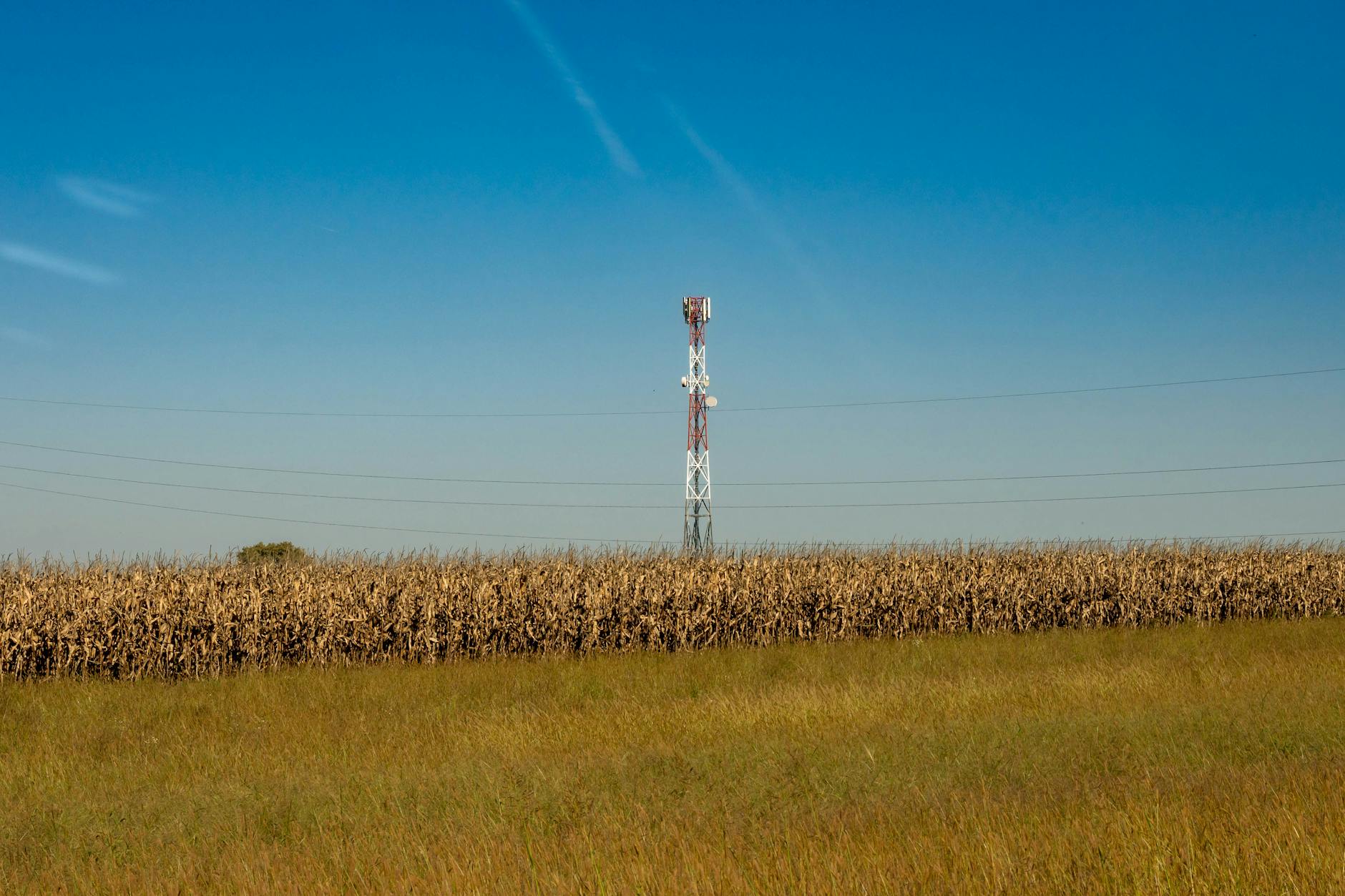
Rural 5G coverage sounds like the kind of upgrade that should make life easier everywhere, but a three-day road trip through small-town America tells a different story. In cities and along major interstates, 5G can feel fast and reliable. Once the pavement narrows and the towns get smaller, however, the signal often starts to fade, stall, or disappear altogether.
That gap matters more than most people think. For travelers, remote workers, and residents who depend on mobile data, weak connectivity is not just inconvenient; it affects navigation, streaming, work calls, and access to basic services. The promise of next-generation wireless is real, but the experience in rural areas is still inconsistent.
What makes this so frustrating is the contrast. One minute your phone shows blazing speeds, and the next it is stuck loading a map, dropping a call, or falling back to older network technology. This is where the limits of rural 5G become impossible to ignore.
Why Rural 5G Coverage Still Feels Unreliable
The biggest problem with rural 5G coverage is not the technology itself, but the infrastructure behind it. Building dense networks of small cells, fiber backhaul, and upgraded towers across vast, sparsely populated areas is expensive and slow. Carriers naturally prioritize places where more users can be served at lower cost.
As a result, many small towns rely on fewer towers that must cover larger geographic areas. That means weaker signal strength, more congestion, and greater chances of dead zones. Even when a phone displays 5G, the actual connection may not deliver the performance people expect from the label.
Coverage Maps Do Not Tell the Whole Story
Carrier coverage maps often show broad areas shaded in promising colors, but real-world conditions are more complicated. Terrain, trees, buildings, and distance from the nearest tower can all reduce performance. A road trip through rural America quickly reveals that the map is only a rough guide.
What Happens When You Leave the Interstate
On interstate highways, 5G tends to perform better because carriers build around high-traffic routes. Once you exit into county roads, farm country, or historic downtowns with older infrastructure, the experience changes fast. The handset may switch between 5G, LTE, and no service at all.
That inconsistency is one of the most noticeable parts of traveling in remote areas. Streaming music buffers, app updates pause, and video calls turn into broken audio or frozen screens. For anyone depending on mobile connectivity, that can make even a simple drive feel less predictable.
Small Towns Face a Different Network Reality
Small towns are often served by fewer carrier investments and older network equipment. In some places, 5G is available only in a tiny radius around a tower or town center. Move a few miles away, and the phone may drop back to older 4G LTE service or lose data completely.
Why 5G Performance Drops in Rural Areas
Several technical factors explain why 5G in rural areas may underperform. High-band 5G can offer incredible speeds, but it covers short distances and struggles to pass through obstacles. Mid-band and low-band signals travel farther, but they do not always deliver the same dramatic speed boost people associate with 5G.
Another issue is tower spacing. In rural regions, towers are farther apart, so devices may spend more time searching for the best connection. That can drain battery life and make data speeds fluctuate, especially when driving through hills, forests, or valleys.
Backhaul also matters. Even if a tower broadcasts 5G, it still needs a strong fiber or microwave link to the broader network. Without that, the mobile connection can feel sluggish during peak hours or in areas with heavy use.
Signal Bars Do Not Equal Speed
Many people assume a full set of bars means fast internet, but signal bars only show connection strength, not performance. A phone may show 5G with a solid signal and still struggle with loading pages or uploading photos. In rural broadband discussions, that distinction is crucial.
How Travelers Can Get Better Mobile Connectivity
Although rural 5G coverage still has gaps, travelers can take a few practical steps to reduce frustration. Download offline maps before leaving reliable service, especially if your route includes back roads or unfamiliar towns. It is also smart to save important documents, playlists, and travel details locally on your device.
If you depend on calls or work messages, consider carrying a second carrier or a hotspot that uses a different network. Dual-SIM phones can help in regions where one carrier performs better than another. In rural America, carrier choice often matters as much as the device itself.
Checking coverage maps ahead of time is useful, but it is even better to read recent user reports from the exact region you plan to visit. Real experiences from local drivers, RV travelers, and remote workers often reveal where the strongest and weakest spots are.
Simple Habits That Help on the Road
Keeping your phone updated, turning on Wi-Fi calling where available, and conserving battery can all improve the experience. If service drops, restarting the device or toggling airplane mode may help it reconnect to a stronger tower. These small habits will not fix rural infrastructure, but they can make outages less disruptive.
What the Rural 5G Experience Says About the Future
The uneven reality of 5G in small towns shows that wireless progress is not evenly distributed. Urban neighborhoods and highway corridors may benefit first, while rural communities wait longer for dependable performance. That divide affects more than entertainment; it shapes access to telehealth, education, agriculture tools, and local business operations.
Still, the long-term outlook is not hopeless. As carriers expand mid-band networks, improve tower density, and extend fiber backhaul, rural connectivity should get better. The challenge is that progress happens gradually, and many travelers are encountering the rough edges right now.
If you are heading into rural America, expect the wireless experience to be a mix of fast pockets and frustrating dead zones. Plan for weaker coverage, download what you need in advance, and treat 5G as helpful when it appears rather than guaranteed everywhere. That approach can save time, reduce stress, and make the trip smoother even when the signal does not cooperate.