
Community directories adopt AI and hyperlocal delivery to boost diaspora-owned shops

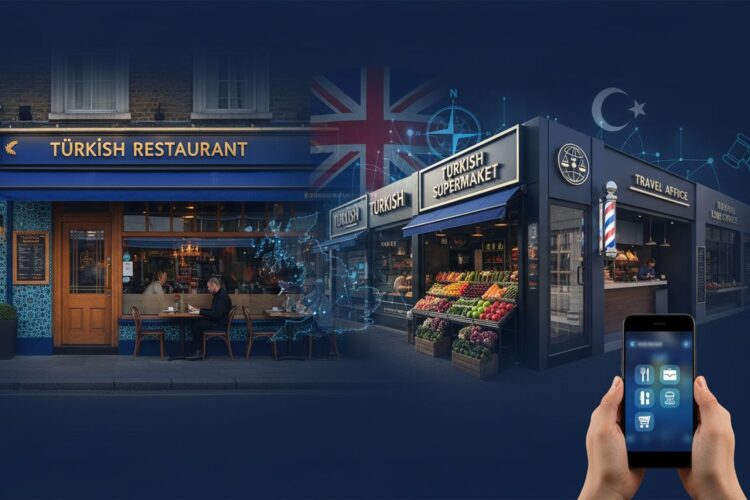
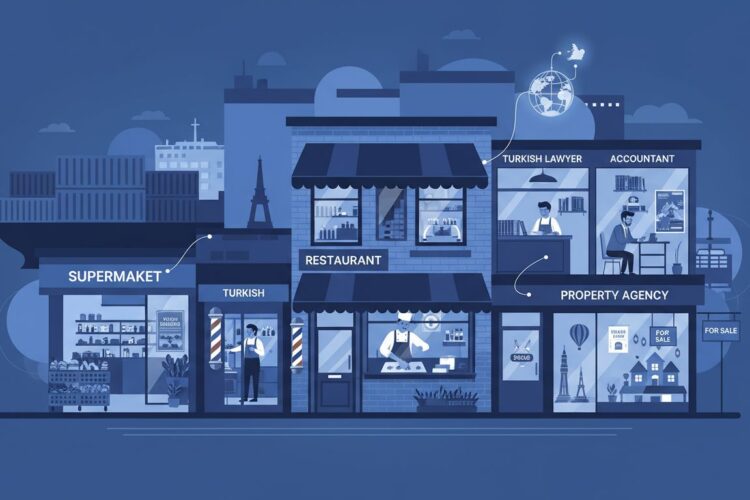
Across the UK, local business directories are evolving from simple listing websites into practical growth tools for diaspora-owned shops.
For Turkish grocers, bakeries, restaurants, service providers and specialist retailers, the next step is not only being found online, but being discovered in the right neighbourhood, in the right language, and at the right moment.One important factor in this shift is the growing use of community directories.
That is where artificial intelligence
and last-mile delivery
are starting to make a real difference.
Why Local Business Directories Matter for Diaspora Communities
Directories have always played an important role for diaspora audiences.
They help people find trusted shops, culturally familiar products and services rooted in
cultural identity.
For Turkish communities in the UK, this can mean anything from finding a Turkish accountant to locating nearby markets selling traditional ingredients used in
Turkish cuisine.
What has changed is user expectation.
People now want full business details such as opening hours, delivery zones, reviews and messaging tools.
Modern directories are becoming bridges between demand and supply, particularly for
small businesses
that lack large digital budgets.
AI Adoption Trends Among Small and Independent Retailers

One reason this shift is accelerating is growing adoption of AI tools.
Many small firms now use solutions based on
machine learning
to automate tasks such as customer messaging, translation and product tagging.
These tools allow merchants to quickly generate bilingual listings, highlight key products and respond to customers efficiently.
For family-run businesses, this type of automation reduces workload while improving digital visibility.
Marketing Automation and Customer Engagement Opportunities
Marketing remains one of the strongest use cases for AI.
Solutions powered by
natural language processing
can create promotions, product updates and customer responses automatically.
For example, a bakery might generate regular posts about fresh simit or weekend pastries.
A supermarket might highlight seasonal imports or popular items in neighbourhood demand cycles.
These updates improve customer engagement while keeping businesses visible in search results.
Multilingual Digital Commerce and Language Accessibility

Language accessibility is a major advantage for diaspora platforms.
Many customers search in multiple languages and switch between them naturally.
AI-powered translation tools based on
neural machine translation
make multilingual listings easier to maintain.
This capability supports inclusive commerce environments and helps attract both first-generation immigrants and second-generation consumers who rely heavily on digital tools.
Hyperlocal Delivery Systems and Neighbourhood Fulfilment
Visibility alone is not enough.
Businesses also need fulfilment systems to convert interest into sales.
Modern directories increasingly connect businesses to
logistics
and delivery tools that support same-day fulfilment.
Demand for online grocery shopping has expanded rapidly, especially with the rise of
e-commerce.
Local grocers selling specialised products benefit when customers can order quickly and receive items without travelling long distances.
Using Neighbourhood Data to Improve Local Retail Strategy
Modern retail is increasingly influenced by data-driven insights.
Directories can use behavioural data and local trends influenced by
big data
and
data analysis
to identify neighbourhood demand patterns.
This information allows businesses to promote the right products in the right areas and optimise delivery coverage zones.
Affordable Shared Digital Infrastructure for Small Businesses
Access to capital remains a challenge for many immigrant entrepreneurs.
Shared infrastructure models based on
software as a service
allow businesses to use powerful tools without large upfront investment.
These systems can integrate marketing, listings, payments and delivery into one ecosystem, making digital adoption more practical and affordable.
Digital Transformation and Local Economic Growth
Technology adoption is strongly linked to business performance.
Local shops that adopt digital tools often experience improved efficiency and stronger customer relationships.
This trend is part of a broader movement known as
digital transformation.
Such transitions strengthen local economies and support diverse neighbourhood retail ecosystems.
Supporting High Streets Through Digital Community Networks

Community-focused commerce helps preserve local high streets and maintain economic diversity.
These networks strengthen trust and social cohesion within neighbourhood environments.
Such outcomes align with research into
community development
and
urban economics.
Digital platforms that highlight independent retailers encourage consumers to support nearby businesses and sustain neighbourhood-level commerce.
The Future of Hyperlocal Commerce Platforms
The direction of travel is clear.
Directories are evolving into integrated service platforms that combine discovery, communication and fulfilment.
Technologies such as
recommendation systems
and
customer relationship management
will play central roles in shaping this future.
For diaspora-owned businesses in the UK, these systems provide a realistic pathway to growth while preserving cultural identity and community trust.