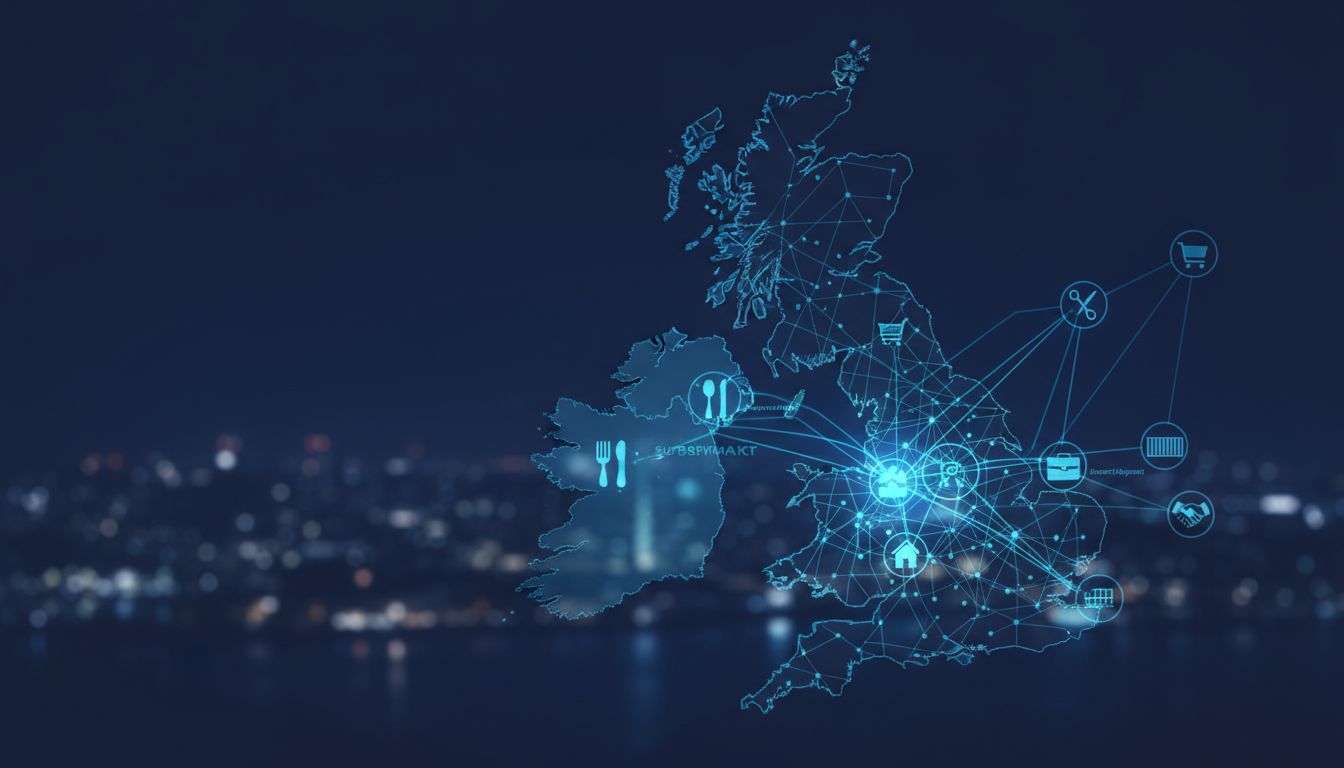
New local platforms bridge cultural services and consumers across Britain
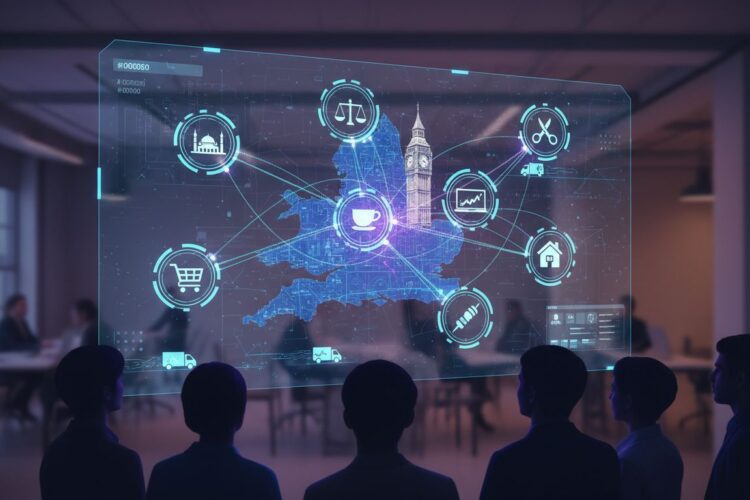
Across Britain, new local platforms are changing how people discover culture, heritage and community services. Instead of relying only on posters, word of mouth or large national websites, more people now find exhibitions, performances, guided trails, workshops, food events and local businesses through digital directories, apps, cultural hubs and community-led websites. For UK Turkish communities, this shift matters in a very practical way: it becomes easier to find trusted local experiences, connect with neighbourhood organisations, and support businesses that carry cultural identity into daily life.
This trend is growing at the same time as Britain becomes more platform-led in how people search, compare and book. Ofcom reports that adults in the UK spend an average of 4 hours and 30 minutes online each day, mostly on smartphones, and use an average of 41 apps a month. That makes mobile-first discovery more important than ever. From council-backed arts directories to trusted event platforms and museum collaborations, new local platforms now act as bridges between cultural services and consumers across Britain.
Why local cultural discovery is becoming more digital
Britain’s cultural economy is increasingly being organised around digital discovery. VisitBritain has made this direction very clear in its 2026 content framework, which encourages visitors to connect with Britain through local experiences. Its consumer trends materials also highlight the growing importance of “cultural connectors, chefs, musicians, artists, local hosts” in helping people choose where to go and what to do. In other words, culture is no longer marketed only as a destination, but as a network of local people and services.
This shift reflects wider changes in consumer behaviour. Ofcom’s 2025 online research shows that people are deeply used to app-based journeys, while S&P Global found that online ordering and mobile-app purchasing are now part of everyday life for a large share of UK adults. Even outside the cultural sector, platform habits are normal. That creates favourable conditions for smaller local organisations, museums, venues and cultural businesses to meet audiences where they already are: on their phones, across multiple channels, and ready to act quickly.
Measurement itself is also becoming more digital. VisitBritain says domestic tourism statistics from 2022 onward are based on a new combined online survey platform covering overnight trips and day visits across Great Britain. That detail may sound technical, but it matters. It shows that both consumer behaviour and the way Britain understands local travel and cultural participation are now platform-shaped.
From place branding to local-to-global visibility
One of the clearest recent examples is Bradford 2025. The British Council described Bradford’s UK City of Culture year as a moment to elevate the city’s global profile while showcasing its cultural diversity, creative energy and welcoming spirit. This is important because it shows how local cultural programming can now be packaged for much wider audiences through modern destination marketing, digital content and arts platforms.
For local communities, this creates new opportunities. A city or district is no longer speaking only to nearby residents. Through digital discovery tools, local culture can be introduced to domestic visitors, international tourists, diaspora communities and people searching for niche experiences. A local food event, textile exhibition or neighbourhood performance can become part of a much bigger journey of discovery.
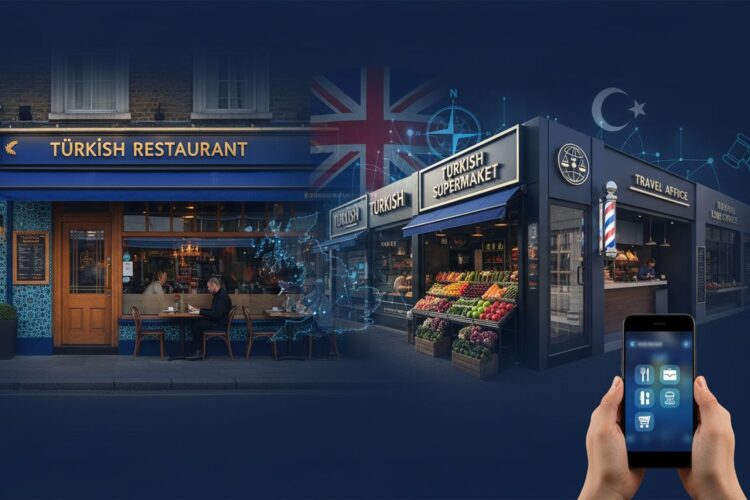
This is especially relevant for Turkish-owned businesses and community organisations in the UK. When local culture is presented well online, it opens space for more specific identities and stories to be visible. A platform can connect a user not only to a general cultural offer, but to a Turkish café, an Anatolian music night, a bilingual guide, a craft workshop or a community-led heritage event that might otherwise be hard to find.
Council-backed platforms are becoming cultural gateways
Local authorities are playing a bigger role in building these bridges. The Local Government Association describes councils as custodians of national and local culture, supporting arts, heritage, folklore, local history and celebrations. That responsibility is increasingly showing up in practical digital tools, not only policy documents. Councils are launching websites, apps and directories that function as cultural service gateways for residents and visitors alike.
South and East Lincolnshire’s Story Tellers website is a strong example. Presented as a creative celebration of arts, culture and heritage, it was described by local leaders as a significant milestone designed to inspire and engage residents and visitors. Importantly, the project was tied to goals such as “Reconnect,” “Activate” and “Leadership,” showing that today’s local cultural platforms are often built to strengthen community ties and participation, not simply to advertise events.
Maidstone offers another useful case. Its 2025-2030 strategy combines a free digital trails app with a bespoke arts website and an online directory featuring more than 90 arts and cultural groups. This is exactly the kind of joined-up model that helps bridge providers and consumers. Someone can discover a trail, find a local creative group, explore venues and plan a visit in one connected journey. For users, that feels simple. For local culture, it can be transformative.
Museums and exhibitions are becoming participatory platforms
Some of the most interesting changes are happening in the museum sector. Art Fund’s Going Places programme will create 12 touring exhibitions across the UK between 2025 and 2030, involving 20 cultural institutions and backed by £5.36 million in funding, according to the Museums Association. Art Fund describes it as the largest collaborative touring project of its kind, and the key idea is not only movement, but co-creation with local communities.
That means these exhibitions are not static packages arriving unchanged in each town. Art Fund says each show will look different in each location because local people contribute stories and personal items. This turns the exhibition model into a kind of living platform. Communities are not passive audiences; they become participants in shaping how culture is presented and understood.
Several strands show how powerful this can be. Communities of Making explores local traditions such as Irish linen, Scottish wool and Welsh basketry, while New Faces New Focus is aimed at connecting newly formed and isolated communities with heritage collections. These are important examples for anyone interested in cultural access. They show how platforms can bridge institutions and consumers by making room for identity, locality and belonging.
Trust, fairness and the ticketing question
As platforms become central to cultural access, trust becomes more important. The UK government’s 2025-26 work on “Putting fans first” recognises ticketing platforms as core gateways for live music, drama and sporting events. It is consulting on stronger protections around resale and pricing, which reflects a simple reality: if people cannot trust the platform, they may lose confidence in the whole cultural experience.
There is good reason for this scrutiny. The government said research from Virgin Media O2 estimated that ticket touts cost music fans £145 million per year. That is a major consumer harm and a reminder that digital convenience alone is not enough. People need fair access, transparent pricing and reliable information when engaging with cultural services online.
Existing rules for secondary ticket platforms already require specific information such as face value, seat location, use restrictions and any relationship with the organiser or platform. For local cultural ecosystems, this matters beyond big concerts. Trusted local platforms can help grassroots venues, community festivals and smaller arts organisers build confidence with audiences who may be cautious about booking online.
Community value is part of the platform story
The growth of local cultural platforms is not only about commerce or convenience. It is also about social value. VisitEngland’s 2025 research with Public First found that 58% of people in host communities feel connected to their community, compared with 35% in non-host communities. It also found that 72% of the British public are proud that visitors come to the UK, rising to 79% in host communities.
These figures suggest that when culture and tourism are active locally, people often feel more positive about their area and more connected to the place where they live. A good platform supports that process by making local assets visible and usable. It can help residents rediscover their own neighbourhood, not just attract outside visitors. That is why discovery tools matter for everyday life as much as for destination marketing.
Horsham’s 2025 residents survey supports this picture from another angle. It found that 46% of residents had sourced information about local services online in the previous 12 months, while use of arts, culture and heritage spaces was up 12% since 2022. Online information and real-world participation are clearly linked. The platform is not replacing the local experience; it is helping people reach it.
Cross-platform habits are reshaping audience expectations
Ofcom’s Media Nations work now takes a cross-platform perspective because consumer behaviour has changed so much. Audiences move between online video, radio, audio, TV, apps and websites without thinking in strict categories. Cultural organisations therefore have to connect with consumers across multiple touchpoints, not through a single leaflet, social page or event listing.
This matters for discoverability. The UK Parliament has noted that BBC Local services across TV, radio and online reach more than 20 million people collectively. That shows local information ecosystems remain powerful, but they are now distributed across formats. A person may hear about an event on local radio, search it on their phone, check reviews on social media, and then book through a platform. Cultural providers need to be present across that chain.
Social discovery is also still growing. KPMG reported that 10% of consumers said they would use social media more in 2026 than in 2025 to discover new products or services. Eventbrite’s recent studies also point to strong demand for smaller events and more community-based experiences, especially among younger adults. In practice, that means local platforms that mix listings, storytelling, video, maps, community endorsements and easy booking are likely to become even more valuable.
What this means for local businesses and diaspora communities
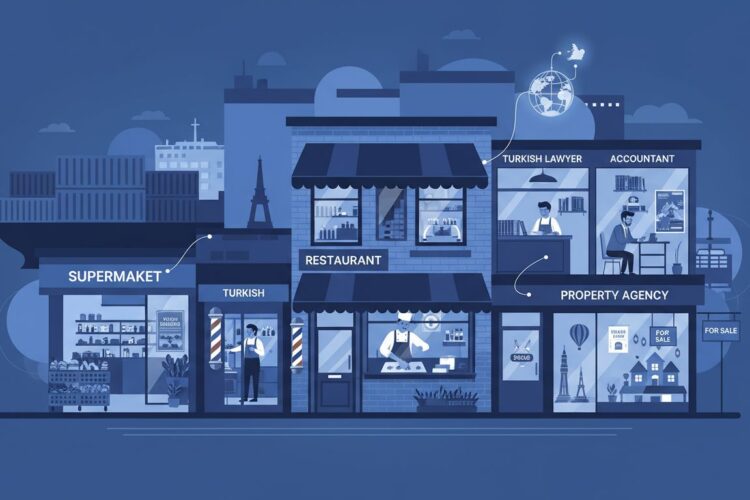
For Turkish businesses, professionals and cultural organisers in the UK, this platform shift creates real opportunities. A directory is no longer just a contact page. It can become a bridge between identity and demand: helping people discover a Turkish caterer for a community event, a solicitor who understands bilingual needs, a travel guide with local insight, or a cultural venue hosting music, food or heritage programmes. When these services sit inside a trusted local ecosystem, users are more likely to explore and engage.
There is also a strong economic case. VisitBritain says tourism was worth £147 billion to the UK economy, supporting jobs, businesses, high streets, hospitality businesses and cultural institutions across the country. It also forecasts the USA market alone at £7.6 billion in 2026. This scale shows why better local cultural discovery matters. If platforms can turn interest into visits, bookings and spending, they can help smaller providers benefit from national and international demand.
At the same time, there is urgency. London Assembly materials cite Music Venue Trust figures showing that 125 grassroots music venues shut in the UK in 2023, and that venues spent £248 million presenting live music while generating only £131 million in ticket revenue. Better local demand-generation, fairer ticketing and stronger cultural discovery platforms are not luxuries. For many community-based organisations, they are increasingly part of survival.
Across Britain, new local platforms bridge cultural services and consumers by doing more than listing events. They connect people with place, turn local knowledge into discoverable experiences, and make cultural participation easier, fairer and more visible. From Bradford’s cultural profile-building to Lincolnshire’s storytelling hub, Maidstone’s trails and directory, and Art Fund’s community-shaped touring exhibitions, the direction is clear: culture is becoming more connected, more local and more platform-enabled at the same time.
For our readers and businesses, this is a moment worth paying attention to. Friendly, trusted and community-focused platforms can help the Turkish community in the UK share services, promote culture, support local economies and reach wider audiences. As Britain continues to promote local discovery in 2026 and beyond, the strongest platforms will be those that combine technology with trust, identity with openness, and local pride with real usefulness.