

Turkish tea is more than just a beverage—it is a symbol of hospitality, culture, and daily life in Turkey. From bustling bazaars to quiet seaside villages, tea is served everywhere, creating a shared ritual that connects people across generations. In this comprehensive guide, we will explore everything you need to know about Turkish tea, from its fascinating history to the perfect brewing method, health benefits, and cultural significance.

Whether you are a tea enthusiast, a traveler planning to visit Turkey, or someone who simply loves exploring global traditions, this post will give you a rich understanding of authentic Turkish tea.
What Is Turkish Tea?
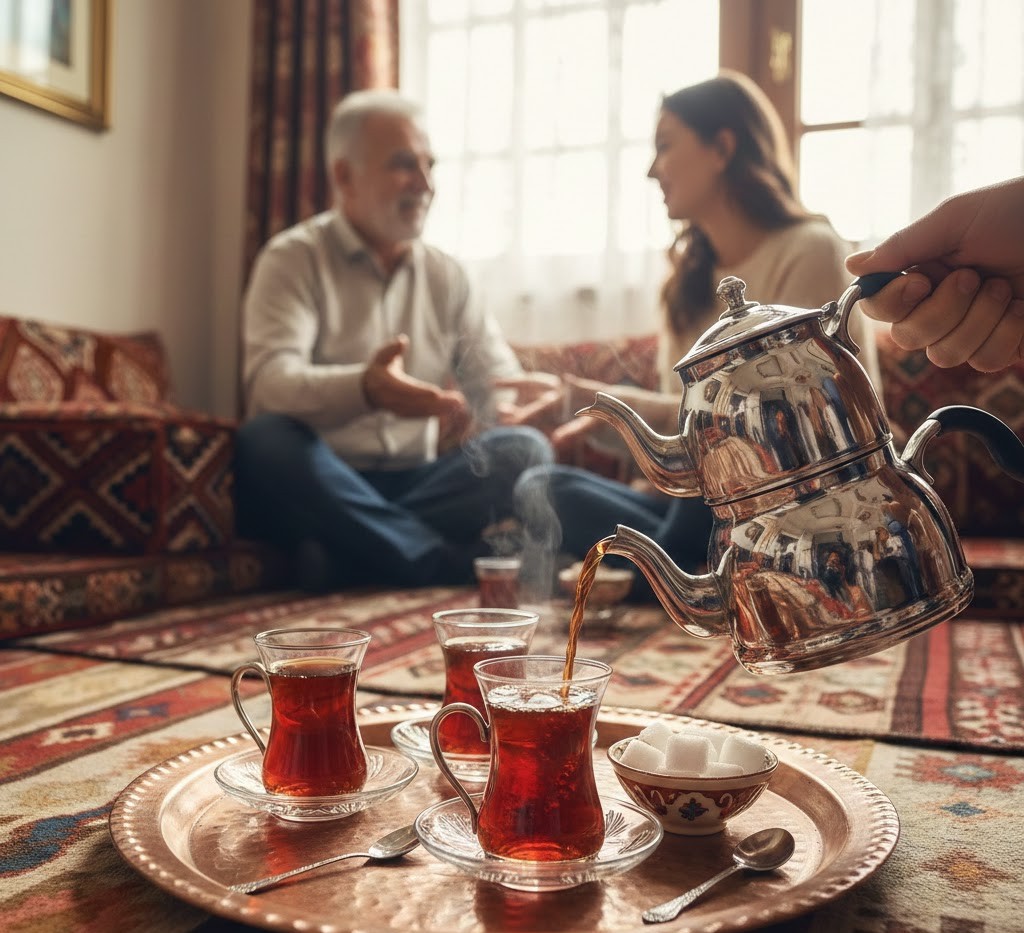
Turkish tea, known locally as “çay,” is a strong black tea traditionally served in small, tulip-shaped glasses. Unlike many Western tea traditions, Turkish tea is brewed using a unique double teapot called a “çaydanlık,” which creates a concentrated tea that can be diluted according to personal preference (Wikipedia).
The tea culture in Turkey is deeply rooted in daily life. Offering tea to guests is a gesture of warmth and respect, and refusing tea is often considered impolite (Wikipedia).
History of Turkish Tea
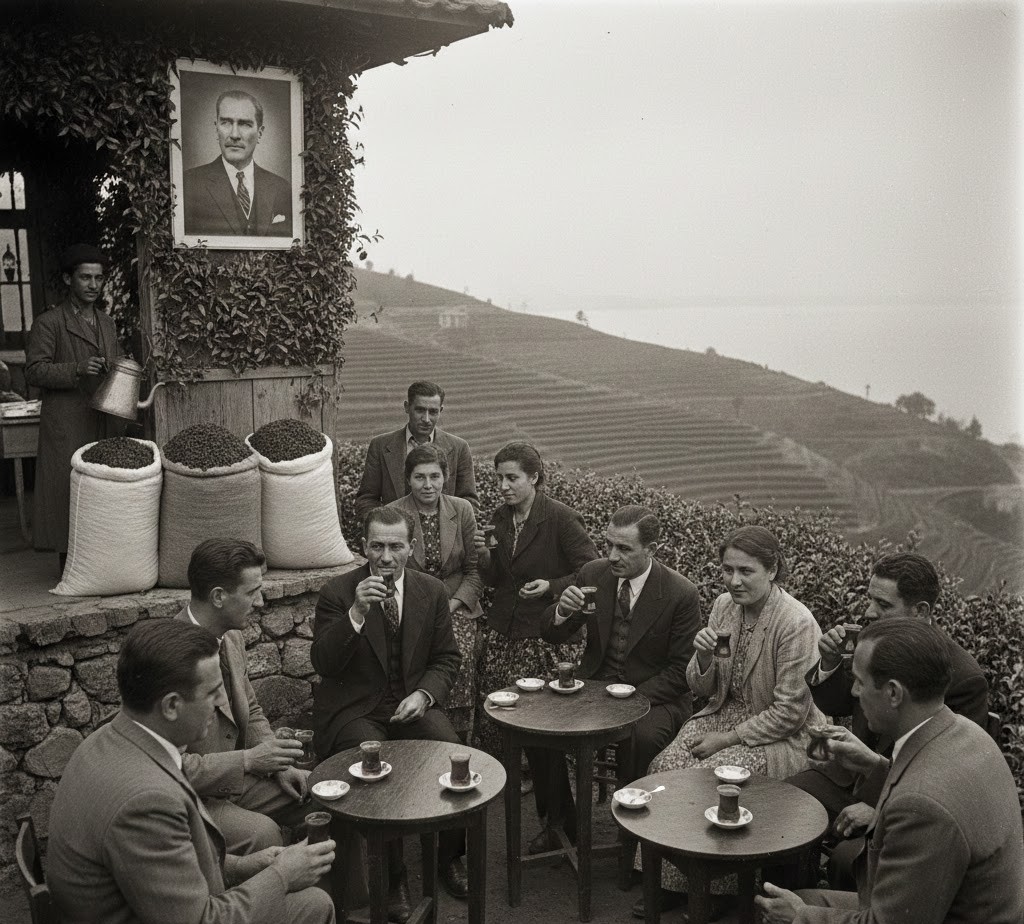
Although coffee dominated the Ottoman Empire for centuries, tea rose to prominence in the early 20th century. After World War I, coffee became expensive and difficult to import (Wikipedia). As a result, tea cultivation was encouraged within Turkey. The nation’s founder, Atatürk, encouraged tea as an alternative to coffee, which had become expensive (Wikipedia).
The northeastern region around the Black Sea, particularly the province of Rize, became the heart of Turkish tea production (Wikipedia). The climate and fertile soil proved ideal for tea farming, and today Rize remains the center of Turkey’s tea industry (Wikipedia).
Tea quickly became affordable and accessible to all social classes, transforming into a national drink. By the mid-20th century, tea became the beverage of choice in Turkey (Wikipedia).
Turkish Tea Culture
Tea as a Symbol of Hospitality
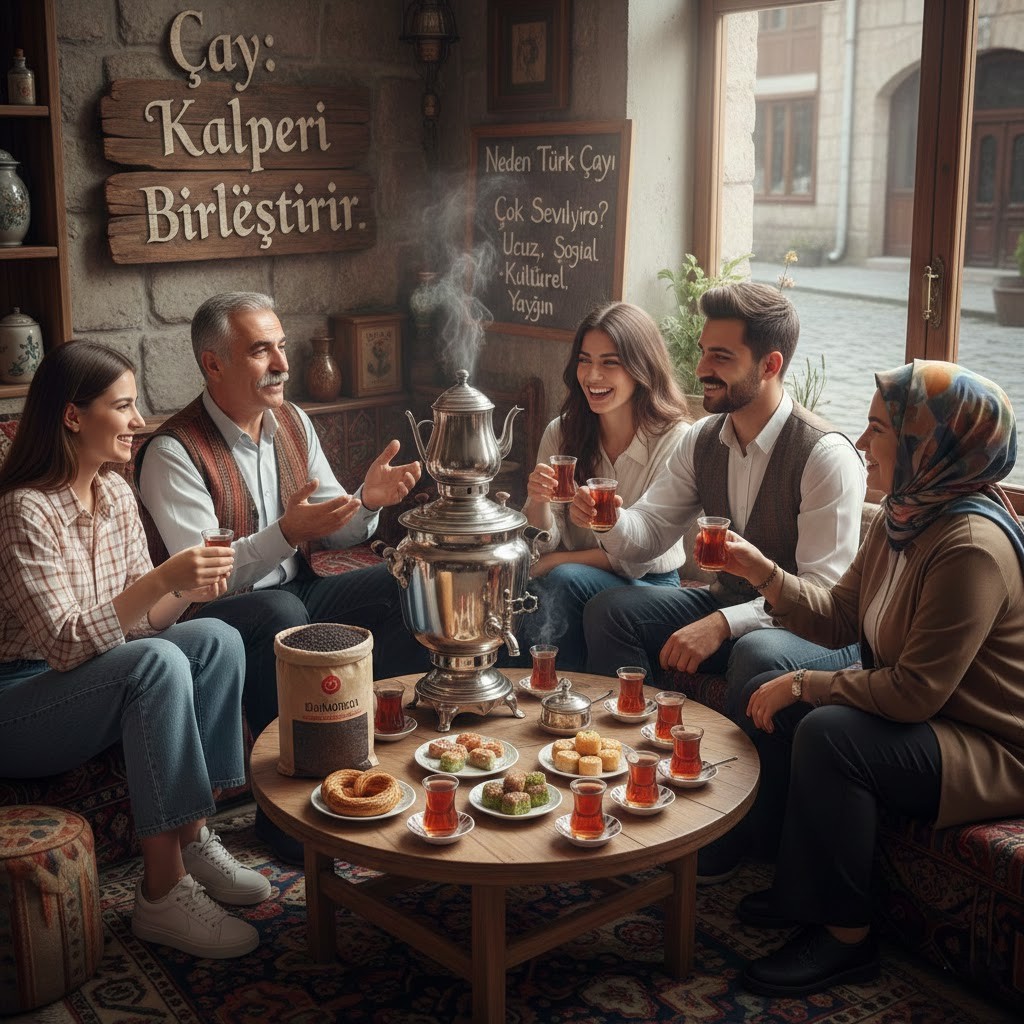
In Turkey, tea is served everywhere—homes, offices, shops, and markets. Tea is most often consumed in households, shops, and kıraathane – social gatherings of men (Wikipedia). When you enter a store, the shopkeeper may offer you tea before discussing business. It is a way to build trust and friendship.
Social Rituals Around Tea
Tea is commonly enjoyed during:
- Family gatherings
- Business meetings
- After meals
- Long conversations
- Evening relaxation
Tea houses, known as “çay bahçesi,” are popular meeting spots for men and women of all ages (Wikipedia). Backgammon is a common game that is often played in these tea gardens (Wikipedia).

Turkish Tea vs. Other Teas
Turkish tea stands out for several reasons:
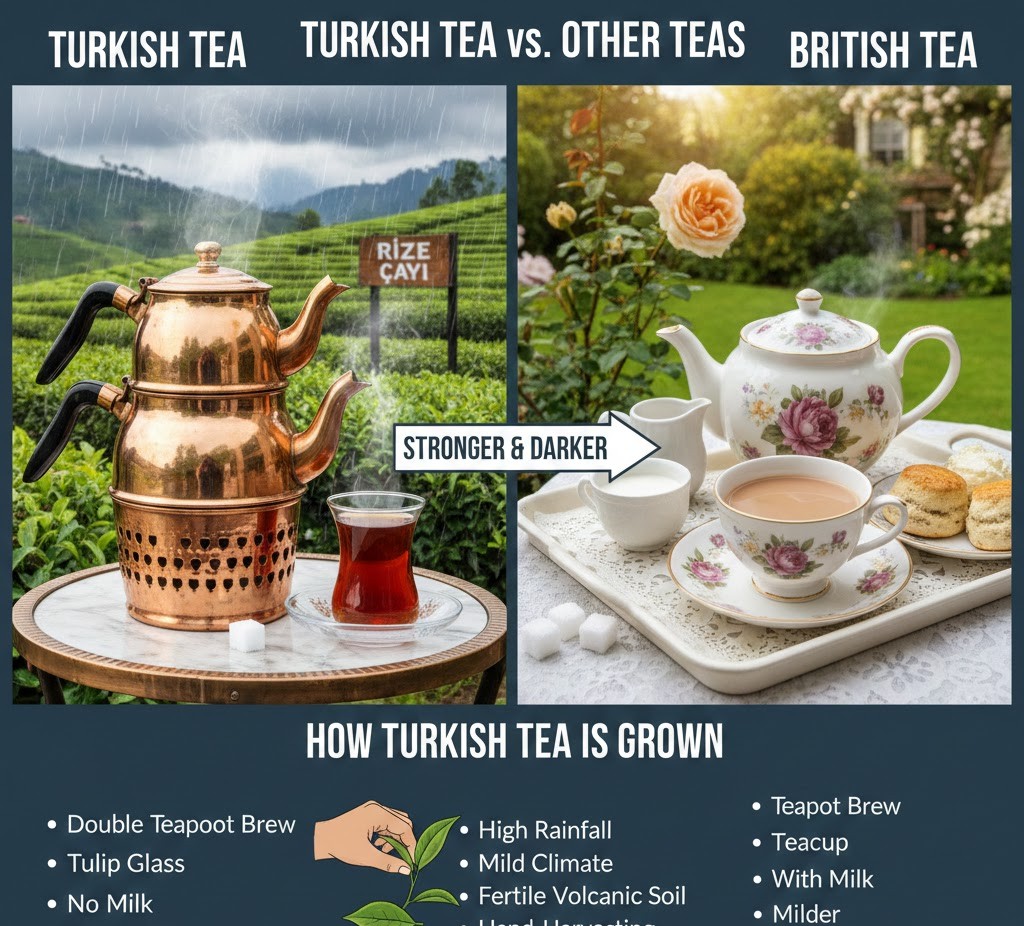
- Brewing Method: Double teapot system (Wikipedia)
- Serving Style: Tulip-shaped glasses (Wikipedia)
- No Milk: Traditionally served without milk (Wikipedia)
- Sugar Optional: Sugar cubes may be added, but never milk
Compared to British tea, Turkish tea is stronger and darker. Turkish tea is pure black tea, usually from the Black Sea region.
How Turkish Tea Is Grown
The majority of Turkish tea is cultivated in the humid Black Sea region. Most of the tea produced in Turkey is Rize tea, a terroir from Rize Province on the Eastern Black Sea coast. Rize has a mild climate with high precipitation and fertile soil (Wikipedia).
Key factors in Turkish tea cultivation:
- High rainfall
- Mild climate
- Fertile volcanic soil
- Hand-harvesting methods
Tea leaves are typically harvested multiple times between May and October.
The Traditional Turkish Tea Pot (Çaydanlık)
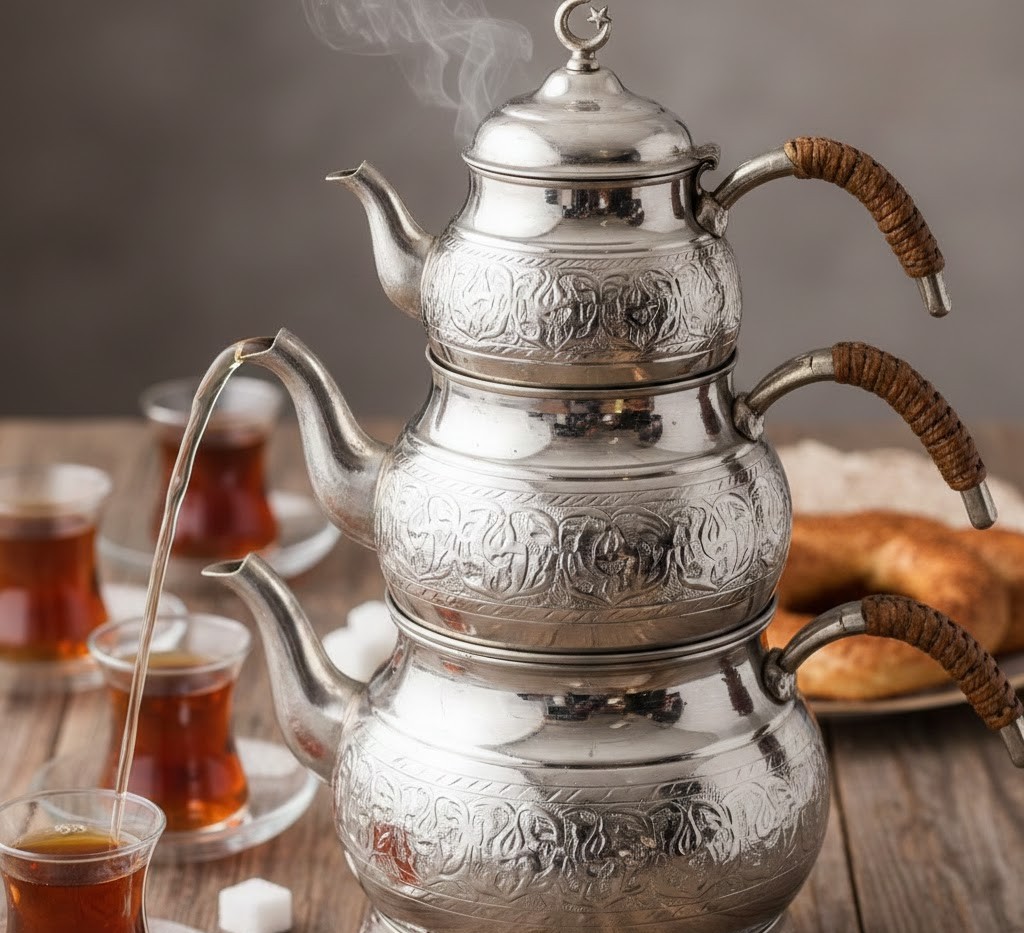
The çaydanlık consists of two stacked teapots (Wikipedia):
- Bottom pot: Boils water
- Top pot: Brews concentrated tea
The boiling water from the lower pot is poured into the upper pot containing tea leaves. After steeping, the strong concentrate is diluted with hot water to taste (Wikipedia).
This method allows each person to customize the strength of their tea—light (“açık”) or strong (“koyu”) (Wikipedia).
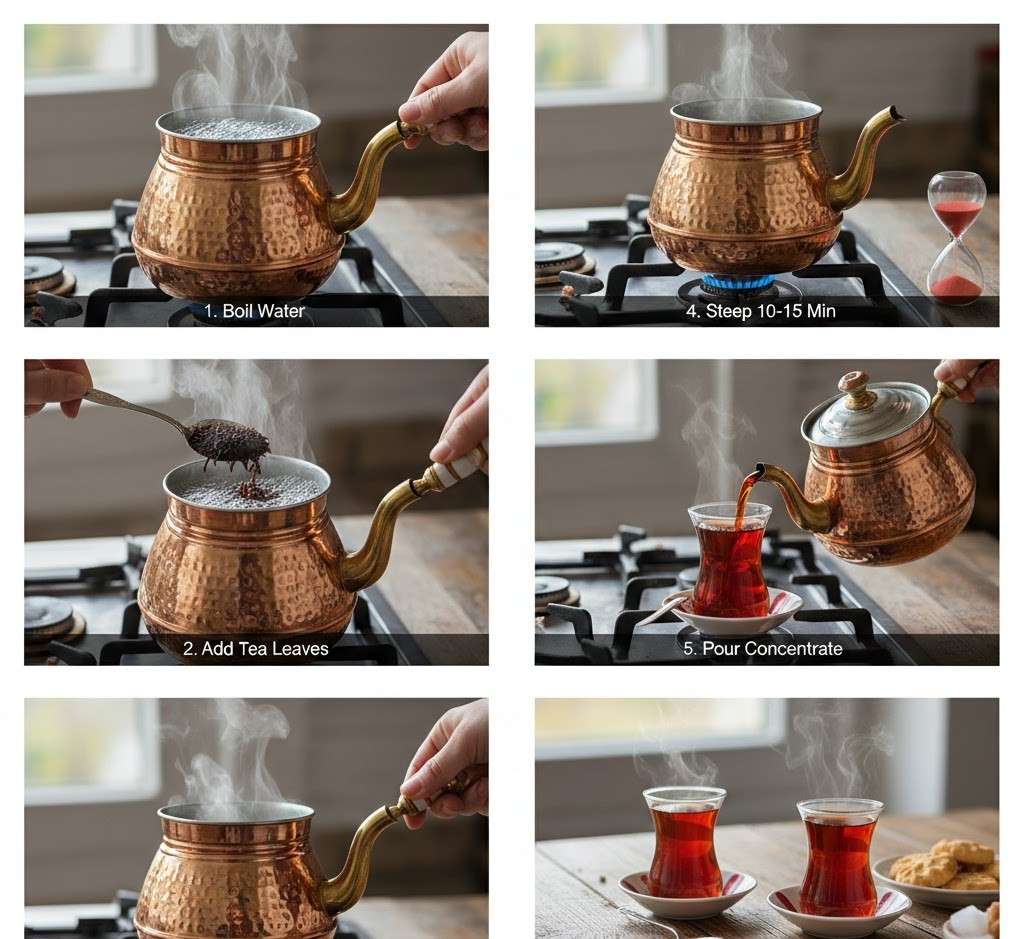
How to Make Turkish Tea (Step-by-Step Guide)
Ingredients:
- 2 tablespoons Turkish black tea
- Fresh water
Instructions:
- Fill the bottom pot with water and bring to a boil.
- Add tea leaves to the top pot.
- Pour some boiling water over the tea leaves.
- Allow tea to steep for 10–15 minutes.
- Pour concentrated tea into a glass.
- Add hot water to adjust strength.
- Serve hot in tulip-shaped glasses.
Turkish Tea Glasses: Iconic Tulip Shape
The distinctive tulip-shaped glass (ince belli, literally “slim-waisted”) enhances the tea experience (Wikipedia). It:
- Keeps tea warm longer
- Shows the deep red color (Wikipedia)
- Is easy to hold without a handle
The color of well-brewed Turkish tea should resemble dark amber or mahogany. Istanbul is home to a prosperous glass-blowing industry where these traditional tea glasses are produced. Around 400 million of these tea glasses are sold each year in Turkey (Wikipedia).

Health Benefits of Turkish Tea
Turkish tea offers several potential health benefits:
- Rich in antioxidants
- Supports heart health
- Boosts metabolism
- Enhances mental alertness
- May reduce stress
Black tea contains flavonoids that may improve overall cardiovascular health.

Turkish Tea and the Economy
Tea production plays a major economic role in Turkey. The state-owned company ÇAYKUR is one of the largest tea producers in the country. Çay-Kur was founded in 1971 to coordinate both the cultivation and processing of tea (Wikipedia). Çay-Kur enjoyed a monopoly over Turkish tea until 1984, when tea processing and packaging were opened to private enterprise (Wikipedia).
Millions of people rely on tea farming and production for their livelihood, especially in the Black Sea region.

Best Places to Drink Turkish Tea in Turkey
If you visit Istanbul, you’ll find tea served almost everywhere—from ferry boats crossing the Bosphorus to rooftop cafés overlooking historic mosques.
Other beautiful tea-drinking destinations include:
- Bursa
- Antalya
- Izmir
Each region has its own tea atmosphere, but the taste remains consistently rich and bold.

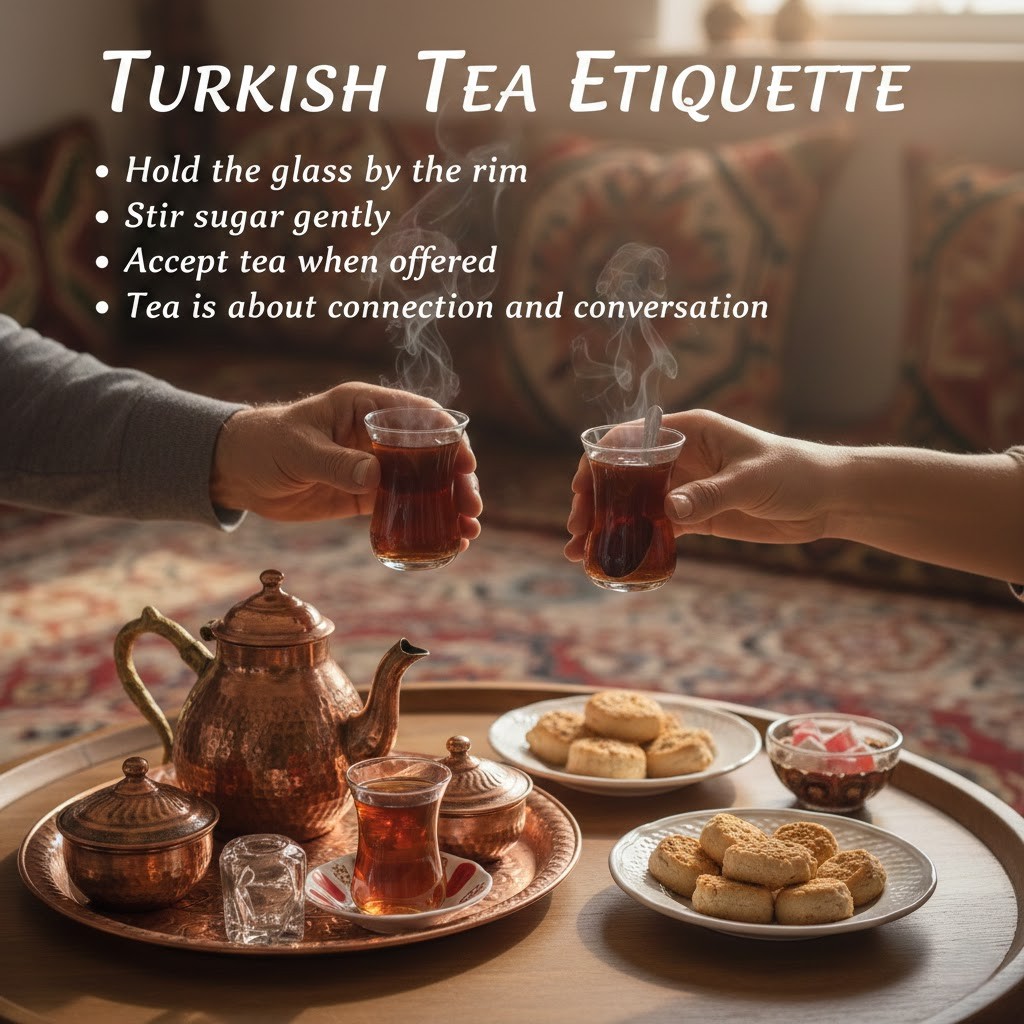
Turkish Tea Etiquette
When drinking Turkish tea, keep these etiquette tips in mind:
- Hold the glass by the rim to avoid burning your fingers (Wikipedia)
- Stir sugar gently
- Do not add milk (Wikipedia)
- Accept tea when offered, if possible
Tea is about connection and conversation.
Turkish Tea in Daily Life
In Turkey, tea is consumed throughout the day:
- Morning: With breakfast
- Afternoon: Work breaks
- Evening: Social gatherings
Turkey has the highest per-capita tea consumption in the world with an annual total consumption of over 3 kilograms per person (Wikipedia). Turks drink the most tea per person at 3.16 kg each a year, or almost four glasses a day (Wikipedia).

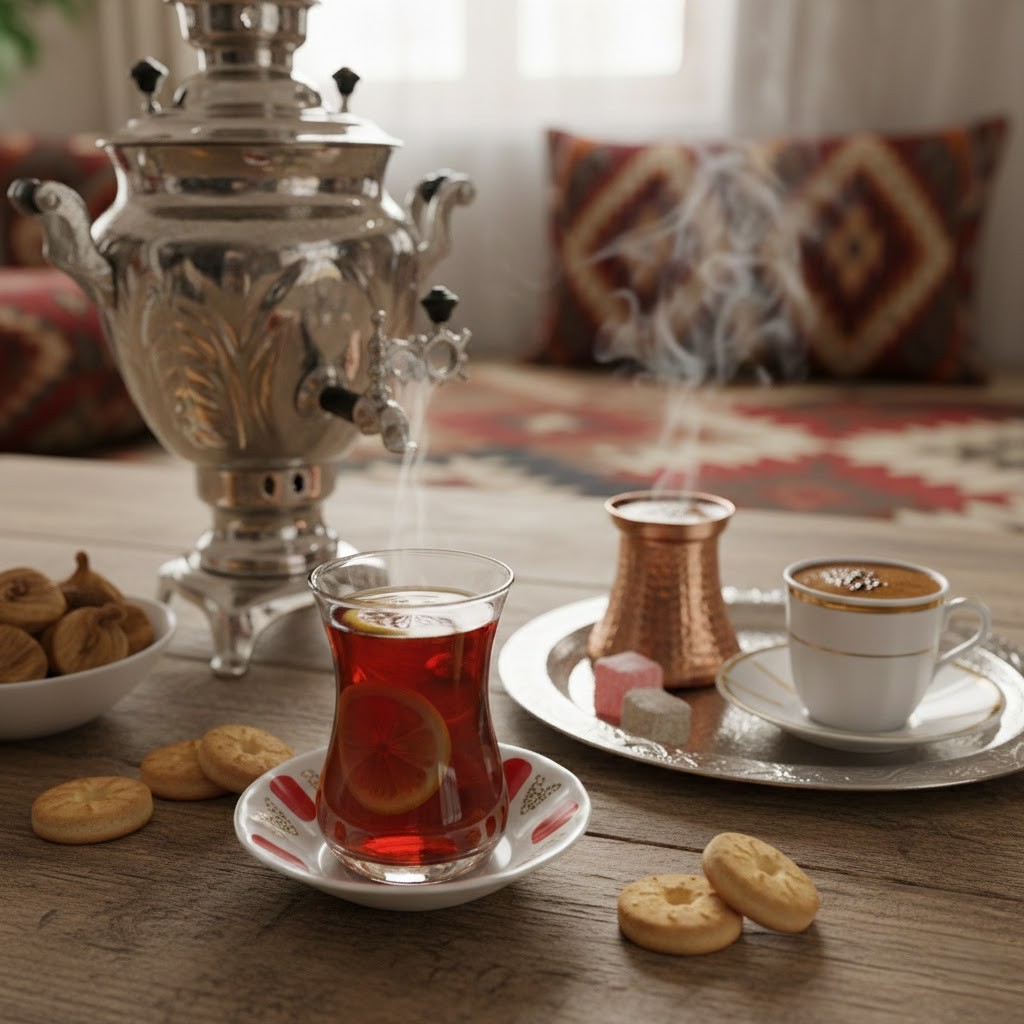
Turkish Tea and Turkish Coffee
While Turkish coffee remains culturally significant, tea has become the more frequently consumed beverage. Tea is an important part of Turkish culture, and is the most commonly consumed hot drink, despite the country’s long history of coffee consumption (Wikipedia).
Coffee is often reserved for special occasions, while tea is part of everyday life.
Modern Trends in Turkish Tea
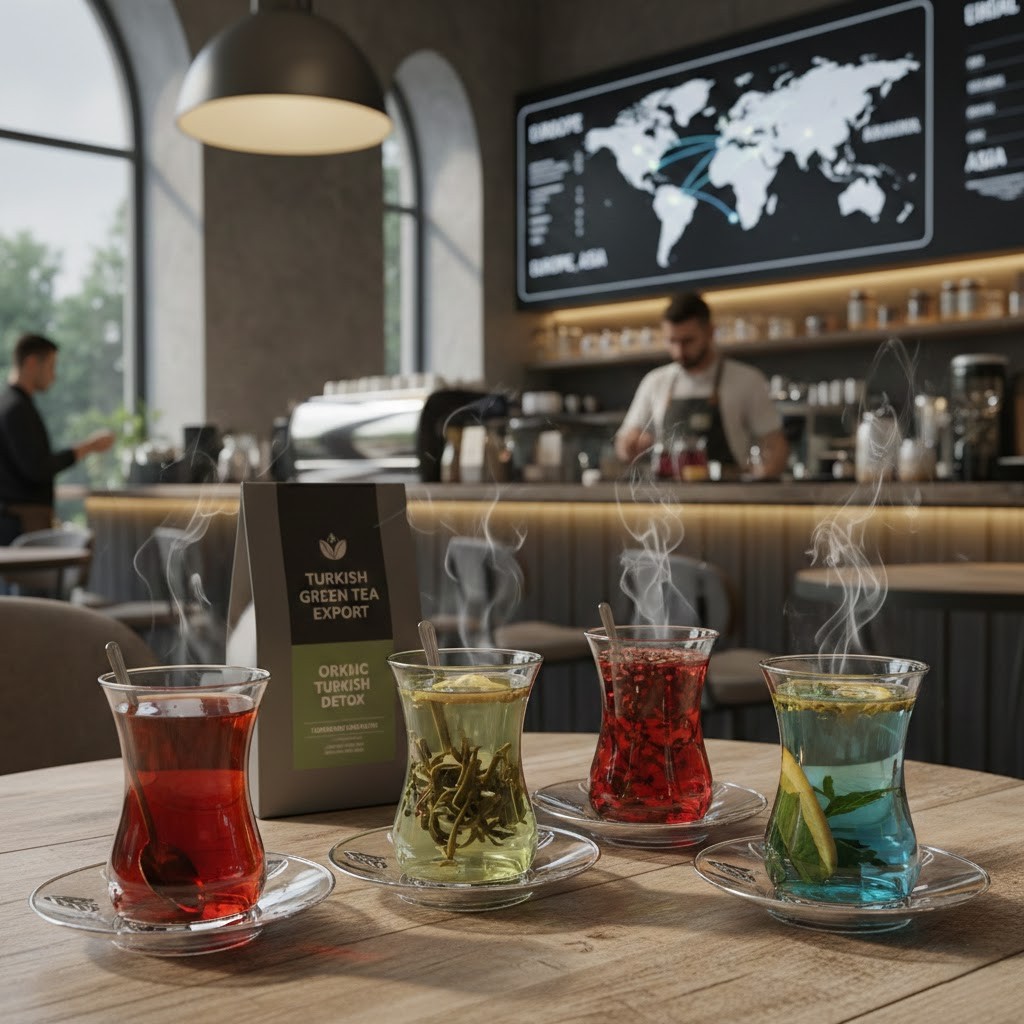
Recently, there has been growth in:
- Organic Turkish tea
- Green tea varieties
- Herbal blends
- Export markets
Despite modern variations, traditional black tea remains dominant.
Why Turkish Tea Is So Popular
Several reasons explain its popularity:
- Affordable
- Easy to prepare
- Socially significant
- Deeply cultural
- Widely available
Tea bridges generations and social classes.
Frequently Asked Questions About Turkish Tea
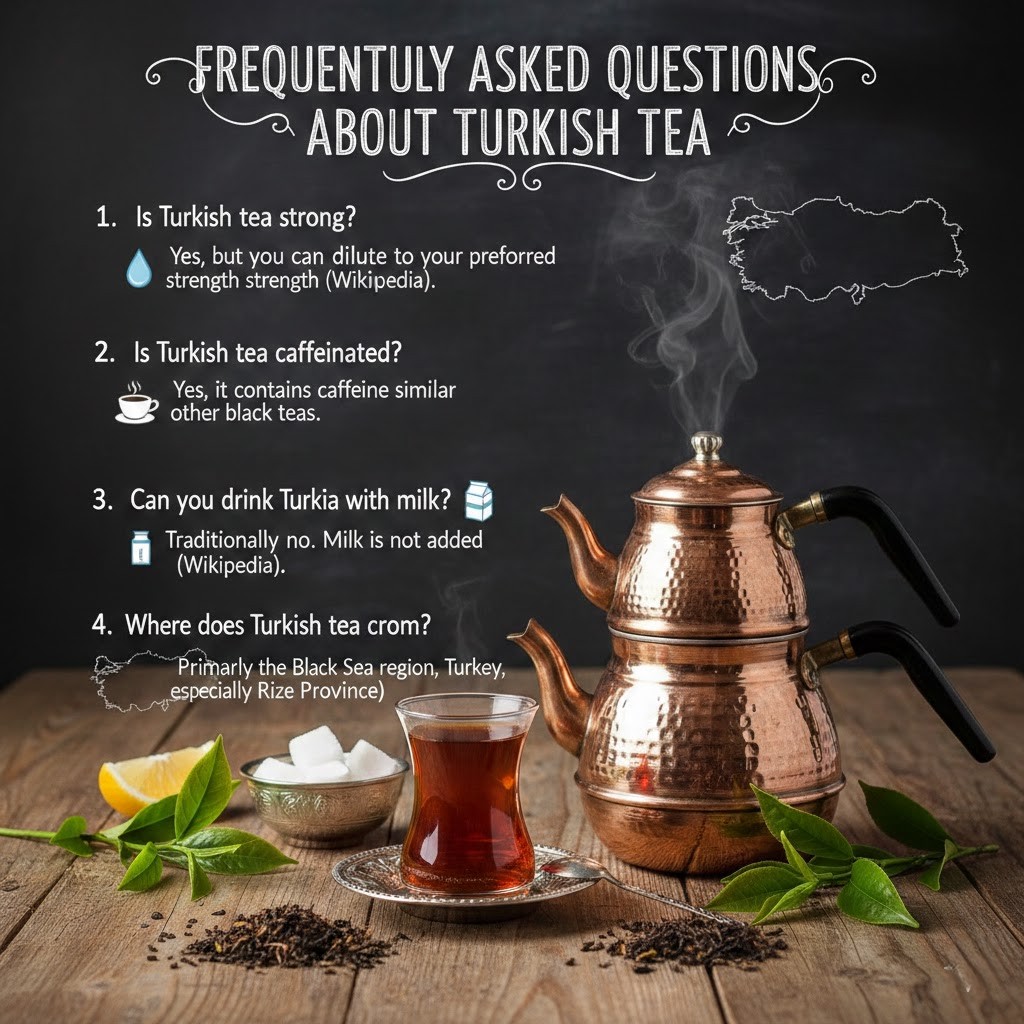
Is Turkish tea strong?
Yes, but you can dilute it to your preferred strength (Wikipedia).
Is Turkish tea caffeinated?
Yes, it contains caffeine similar to other black teas.
Can you drink Turkish tea with milk?
Traditionally, no. Milk is not added (Wikipedia).
Where does Turkish tea come from?
Primarily the Black Sea region of Turkey, especially Rize Province (Wikipedia).
Final Thoughts on Turkish Tea
Turkish tea is more than a drink—it is an experience, a ritual, and a symbol of unity. From the tea fields of Rize to the lively streets of Istanbul, tea connects people in meaningful ways. Tea plays a big role in social gatherings that take place in tea houses and gardens (Wikipedia).
If you want to experience authentic Turkish culture, start with a simple glass of tea. Sit down, take a sip, and enjoy the conversation that follows.
Turkish tea, çay, Turkish culture, tea in Turkey, Black Sea tea, Rize tea, çaydanlık, Turkish tea glass, ince belli, Turkish hospitality, Turkish beverage, brewing Turkish tea, Turkish tea tradition, tea consumption Turkey, Turkish tea history, çay bahçesi, Turkish tea house, authentic Turkish tea, Turkish tea benefits, Ottoman tea