
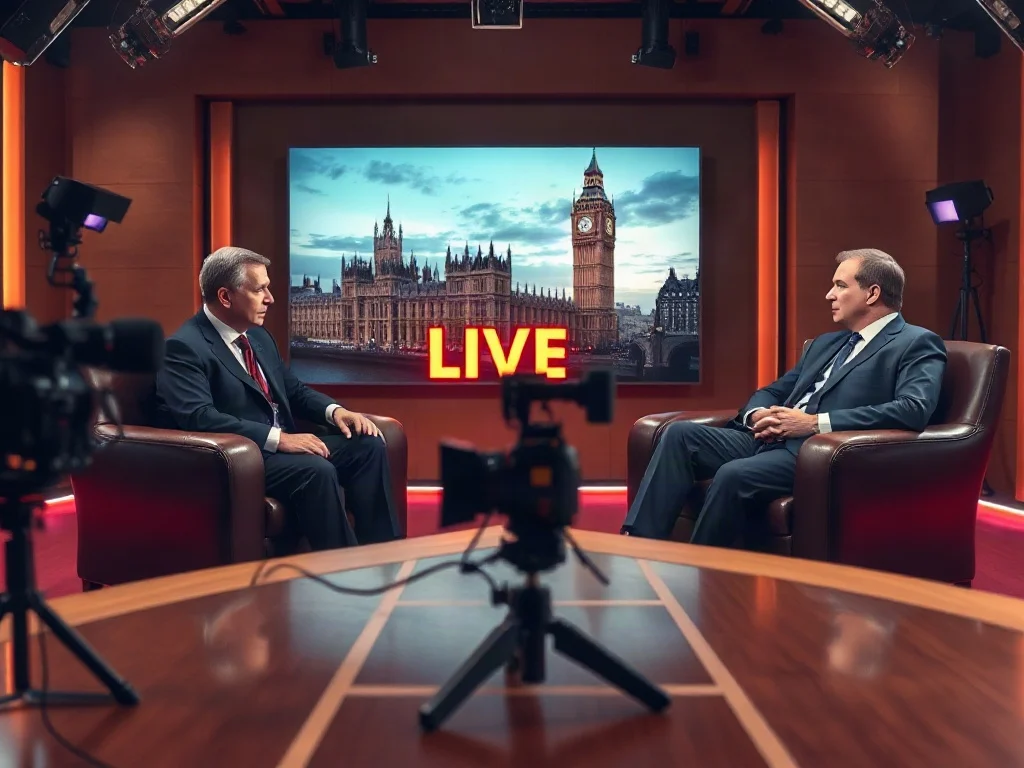
When The Guido Fawkes Show with James Cleverly went live on Wednesday at 5pm, it added another episode to a format that is changing how British politicians reach their audiences. The announcement was brief: watch the video, subscribe to the YouTube channel, and remember that the programme airs live every Wednesday at 5pm. Behind that short notice sits a bigger story about how Westminster politics is now discussed, packaged and consumed. This article does not claim to report what was said in the episode, since the source material only confirms the guest, the platform and the schedule. Instead it looks at the people, the format and the media landscape that make a live Guido Fawkes interview with a former Home Secretary worth paying attention to.
What Is the Guido Fawkes Show?
The programme is the video arm of Guido Fawkes, the political gossip and news site also known as Order-Order. The blog was founded in 2004 by Paul Staines, who took the pen name from Guy Fawkes, the best-known conspirator of the Gunpowder Plot. The name signals the site’s irreverent, anti-establishment posture. For two decades it has broken stories, circulated leaks and published short, punchy items that Westminster insiders read closely, often to see what is about to become a wider news story.
The live show carries that sensibility onto YouTube. Instead of a formal broadcast studio and a rigid running order, the format leans on conversation, real-time reaction and a direct line to viewers. The weekly slot, Wednesdays at 5pm, matters more than it might seem. A fixed time creates a habit, and habits are what turn a one-off stream into an appointment-viewing programme.
Who Is James Cleverly and Why Does He Matter?
James Cleverly has represented Braintree in the House of Commons since 2015. He held two of the great offices of state in quick succession, serving as Foreign Secretary from 2022 to 2023 and then as Home Secretary until the 2024 general election. After the Conservative Party lost power, he stood in the 2024 Conservative leadership election. He did not reach the final members’ ballot, which Kemi Badenoch went on to win.
That record makes him a useful interview subject. He has run the Foreign Office and the Home Office, he has been through a leadership contest, and he is known for an affable, upbeat manner that tends to work well in long-form conversation. A former cabinet minister who is no longer bound by the daily discipline of government can often speak more freely than a serving one. Whether Cleverly used that freedom in this episode is something viewers will judge for themselves.
Why Political Media Is Moving to Live Video
The decline of the single gatekeeper
For decades, a politician who wanted a national platform needed a broadcaster. The morning round, the evening news and the weekend interview programmes set the terms. Today, live streaming, podcasts and social media give politicians more routes to an audience and let independent outlets compete for guests. The Ofcom annual reports on news consumption in the United Kingdom have consistently shown online sources growing in importance, particularly among younger audiences, though television remains significant overall.
Long-form conversation versus soundbite
A conventional broadcast interview often lasts a few minutes and is built around a single headline-seeking question. A live show can run longer, wander into personal territory and give a guest space to explain their reasoning. That cuts both ways. It can produce a fuller picture of a politician, but it can also let a well-rehearsed guest avoid difficult questions without the pressure of a ticking clock.
The audience relationship
Live formats also change what the audience expects. Viewers can comment in real time, clip moments for social platforms and judge for themselves whether an answer was evasive. For a politician, a live appearance carries risk, because a single phrase can be cut from its context and circulated widely. It also offers reward, because it shows an authenticity that a scripted press release cannot.
How the Guido Style Differs From Traditional Political Interviews
Guido Fawkes has always sat between political journalism, commentary and mischief. Its readership includes MPs, special advisers and lobby journalists, which gives the show a particular tone. Questions can be more informal, more focused on Westminster gossip and more willing to ask about the mechanics of power, such as who is rising, who is struggling and what the whips are thinking. A guest like Cleverly, who knows these dynamics well, can engage with that tone easily.
It is worth separating three things that often blur together in coverage of such programmes:
- Established facts: who the guest is, which platform hosts the show and when it airs.
- Claims made by guests: statements about policy, rivals or party strategy, which should be checked against the record.
- Interpretation: commentary about what an answer reveals about ambition or factional positioning, which is analysis rather than fact.
Informed viewers keep these categories apart, and that habit is the best defence against being swept along by a persuasive, charismatic conversation.
What to Watch for in a Politician’s Live Interview
Whether you are watching this episode or another, a few practical questions help cut through the performance.
- What is directly answered? Note which questions get a specific answer and which get a general one.
- Which policy positions are new? A former minister revisiting a record can shift emphasis without changing substance.
- How is the leadership discussed? Comments about the current party leadership, whether warm or cool, are closely scrutinised in Westminster.
- What is said about opponents? Remarks about Labour, Keir Starmer‘s government or Reform UK show where the Conservatives see their strongest and weakest ground.
- Is there verifiable detail? Figures, dates and named decisions can be checked afterwards. Vague assertions cannot.
Why the Wednesday Slot Is Strategic
Wednesday has long been the centre of the parliamentary week because of Prime Minister’s Questions at midday. By 5pm the political day has largely taken shape, with the clashes in the chamber digested, the early evening headlines written and the next morning’s media round about to be briefed. A show placed at that point can pick up the day’s themes while the news is still fresh and set an agenda for Thursday’s coverage. For a guest, it is an ideal moment to respond to events in the nearby Palace of Westminster while viewers are paying attention.
The Risks and Limits of the Format
Access journalism
Any programme that depends on getting guests carries the temptation to be too accommodating. This is a long-standing debate in political journalism. Hosts want the conversation to flow, and guests want to return, so a friendly relationship can soften scrutiny. Viewers should judge a programme by the quality of its questions, not by its reputation.
Clip culture
Live shows are chopped into short social media clips that can distort meaning. The best way to understand a guest’s position is to watch the full exchange where possible, rather than rely on an excerpt chosen to provoke a reaction.
Verification
Real-time conversation leaves little room for fact-checking in the moment. Independent resources such as the UK Parliament website and the Guido Fawkes site itself help readers compare claims against the public record and the surrounding coverage.
How to Watch and Get the Most From the Show
- Subscribe to the Guido Fawkes YouTube channel and enable notifications so you are alerted when the stream goes live.
- Watch live if you want to take part in the chat, or catch the recording afterwards if you prefer to pause and check claims.
- Read the accompanying coverage on the site for written highlights and context.
- Compare what a guest says with the voting record and public statements available through Parliament’s official resources.
Frequently Asked Questions
When does the Guido Fawkes Show air?
According to the announcement, the programme airs live every Wednesday at 5pm on the Guido Fawkes YouTube channel.
Who was the guest on this episode?
The guest was James Cleverly, the Conservative MP for Braintree and former Foreign Secretary and Home Secretary.
Where can I watch the Guido Fawkes Show with James Cleverly?
The episode is available through the video embedded in the original post and on the Guido Fawkes YouTube channel, where subscribers are notified of new live broadcasts.
Is the Guido Fawkes Show a traditional news programme?
No. It is an independent online show from a political blog, so its tone is more conversational and more focused on Westminster dynamics than a conventional broadcast bulletin.
The Bigger Question Behind the Live Stream
The most important insight is not about any single answer in one episode. It is that political influence is quietly moving from the institutions that once controlled access to the audience towards personality-led, subscription-driven shows built on trust and regular schedules. A weekly live interview with a figure like Cleverly shows how far that shift has gone. A former Home Secretary and leadership contender now chooses to speak to an independent, irreverent outlet as readily as to a legacy broadcaster.
What should readers watch next? First, whether other senior figures from every party adopt the same long-form live approach, and whether the interviewers keep pace with the guests in rigour as well as reach. Second, how regulators and the public handle the gap between tightly regulated broadcast rules and the lighter touch applied to online video, a debate that is likely to sharpen as more political discussion happens off television. A reasonable prediction is that audiences will increasingly reward programmes that combine access with genuine scrutiny, and penalise those that offer only the first. The unanswered question is whether the next generation of political shows can be both entertaining and exacting, or whether the format will always force a trade-off between the two.
Frequently Asked Questions
Does this article report what James Cleverly actually said in the episode?
No. The article states that the source material only confirms the guest, the platform and the weekly schedule. It uses the episode as a starting point to explain the show's format, Cleverly's background and wider changes in political media, so viewers should watch the video to judge his comments themselves.
Why is the Guido Fawkes name linked to Guy Fawkes?
Founder Paul Staines took his pen name from Guy Fawkes, the best-known conspirator of the Gunpowder Plot. The choice signals the site's irreverent, anti-establishment attitude. Since 2004 the blog, also called Order-Order, has built a reputation for leaks, gossip and short punchy stories that Westminster insiders follow closely.
Did James Cleverly ever lead the Conservative Party?
No. He stood in the 2024 Conservative leadership election after the party lost power, but he did not reach the final members' ballot. Kemi Badenoch went on to win that contest. Before that he served as Foreign Secretary from 2022 to 2023 and then as Home Secretary.
Why might a former minister speak more freely in an interview like this?
A former cabinet minister is no longer bound by the daily discipline of government, such as collective responsibility and tightly managed messaging. That can allow franker answers than a serving minister would give. The article notes, however, that whether Cleverly actually used that freedom is for viewers to decide.
Are live YouTube interviews better than traditional broadcast interviews for holding politicians to account?
Not necessarily. Longer formats can give a fuller picture of a politician and room to explain their reasoning. But without a ticking clock, a well-rehearsed guest can also avoid difficult questions more easily. The article presents this as cutting both ways, depending on the interviewer and the guest.
Has online media replaced television as a source of political news?
No. The article cites Ofcom's annual news consumption reports, which show online sources growing in importance, particularly among younger audiences. However, television remains significant overall. Live streams and podcasts are adding routes to audiences and giving independent outlets access to guests, rather than fully replacing broadcasters.