
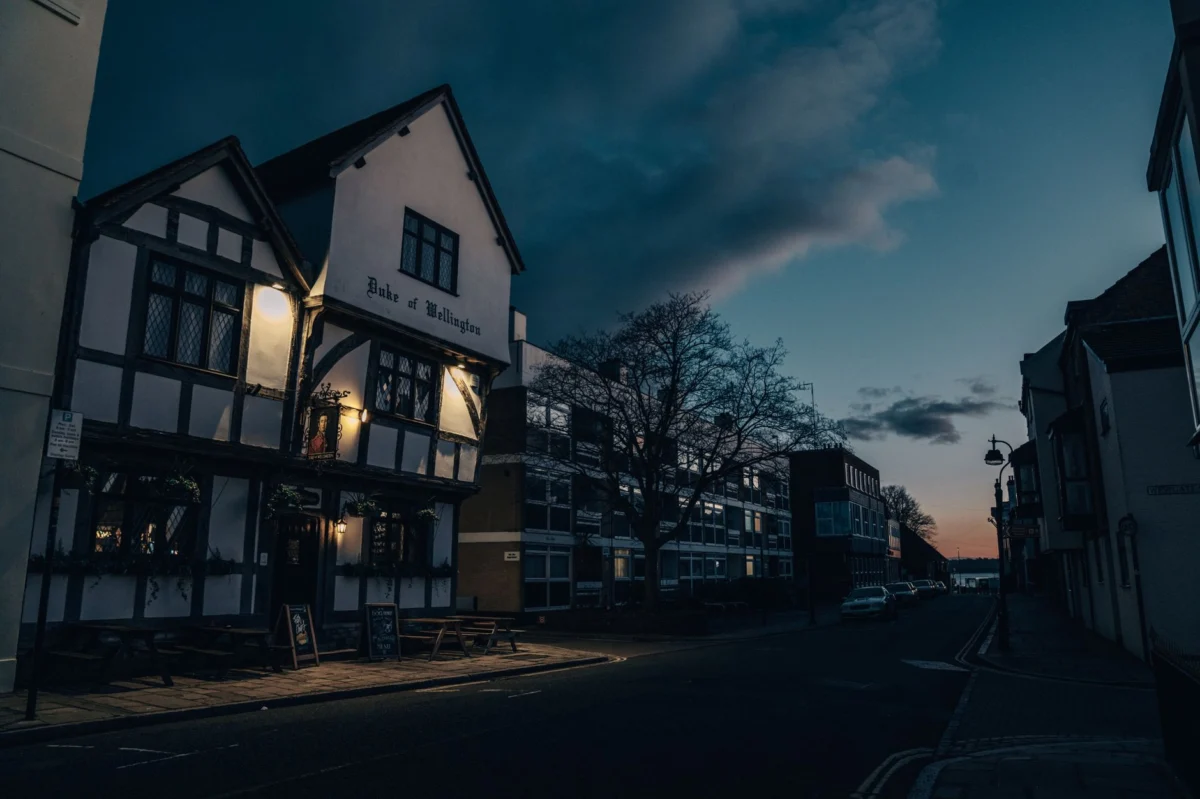
As the clocks go back, Britain does not suddenly lose daylight; it loses the illusion that daylight and waking hours still match. The shift in daylight saving time pushes sunset into the wrong part of the day for most commuters, and that makes winter feel much harsher than the calendar alone suggests. A ranking of 197 UK towns and cities, reported this week, puts that feeling into numbers: one place is said to average just two hours of sunshine a day in winter. The headline is eye-catching. The more useful question is why the same country produces such different winter light.
What the UK’s gloomiest cities ranking is really measuring
Any serious discussion of winter gloom has to start with a basic distinction: sunshine hours are not the same as daylight hours. The Met Office climate data is the better reference point here because it separates sunlight from temperature, rain, and cloud. A city can have a fair amount of daylight on paper and still feel dim if cloud cover is persistent. That is why winter rankings based on sunshine duration often catch readers off guard: they are measuring the number of hours when the sun is actually visible, not the number of hours when the sky is technically light.
The difference matters because winter perception is shaped by several overlapping factors: latitude, the angle of the sun, local weather systems, city form, and the season itself. The UK’s broad position in the North Atlantic weather lane means that the country is repeatedly hit by damp, cloudy air masses, especially in the west and north-west. That is not a metaphor; it is climate. The climate of the United Kingdom is famous precisely because it is variable, and that variability creates dramatic local differences in winter light.
| Factor | What it changes | Why it matters in winter |
|---|---|---|
| Latitude | Sun angle and day length | Higher-latitude cities receive lower solar altitude and shorter winter days, reducing usable light. |
| Cloud cover | Direct sunshine | Even with daylight available, thick cloud suppresses visible sun and makes afternoons feel flat and grey. |
| Weather pattern | How often low-pressure systems arrive | The UK’s prevailing westerlies and Atlantic fronts can keep some cities under repeated cloud bands. |
| Urban form | How light is experienced at street level | Tall buildings, narrow streets, and poor orientation can make a city feel darker than a nearby open area. |
That is why ranking lists should be read carefully. They tell you something real, but not everything. A city that looks gloomy in a sunshine table may still offer bright, crisp days between weather systems; another city may record more sun but feel dim because winter daylight arrives at an awkward time for work, school, and travel.
Geography, not mood, does most of the work
The most important driver is geography. Places such as Glasgow, Aberdeen, Edinburgh, and Belfast are often discussed in winter-light debates because they sit under a climate regime that can deliver long spells of cloud. But the same logic also reaches parts of Manchester, Liverpool, Newcastle upon Tyne, and even cities further south when the weather pattern turns stubborn. The point is not that one city is cursed. It is that the British Isles sit in a zone where Atlantic weather, coastal exposure, and seasonal sun angle combine to produce highly uneven winter brightness.
The physics are straightforward. Lower sun angles in winter reduce solar irradiance, so a clear day is already less intense than a summer day. Add repeated fronts from the Atlantic, and the visible sun becomes rarer. The North Atlantic Oscillation can strengthen or weaken that pattern from year to year, which is one reason winter perceptions vary even when the same city appears near the top of a gloom ranking. If the air flow is unsettled, a city can spend weeks under grey skies. If the flow is blocked, it can enjoy a run of sharp, dry days that make the same place feel transformed.
Atlantic cloud and coastal exposure
Coastal and near-coastal cities are exposed to weather systems before inland places are. That can bring rain, mist, and low cloud, but it can also bring bright breaks when the front passes. The problem is frequency: if low-pressure systems keep coming, the sun never gets enough time to dominate the sky.
Urban form can amplify the effect
City design does not create winter gloom, but it can intensify the experience of it. This is where urban planning matters. Dense street grids, tall buildings, reflective materials, and narrow corridors can reduce the feeling of openness and compress the available light. The urban heat island effect is usually discussed in terms of temperature, but it also reminds us that cities are microclimates. They do not merely sit in the weather; they reshape how weather is experienced at street level.
Local terrain matters more than people think
Hills, valleys, and coastal shelter can all affect brightness. A city backed by high ground may lose early or late winter sun sooner than a flatter place. In practical terms, that means two towns with similar latitude can feel very different in December. Geography is not a cosmetic factor here; it is the core explanation.
The hard truth is that winter gloom in the UK is uneven, predictable, and partly manageable. The clocks only reveal it.
Why a lack of sunshine feels worse after the clocks change
The clocks going back do not remove daylight, but they do shift daylight into a less useful part of the day. The result is a stronger mismatch between human routine and natural light. School runs, commutes, and shopping trips now happen under darker skies, which amplifies the emotional weight of winter. This is why people often report that the season feels harsher immediately after the time change, even when the actual daylight budget changes only gradually. The effect is psychological, but it is built on real light data.
There is also a biological side. The human circadian system responds to light exposure, especially in the morning. When daylight is delayed or compressed, some people struggle to wake, focus, or sleep properly. The seasonal affective disorder pattern is a clinical version of a problem many more people feel in milder form. The NHS guidance on SAD is clear that low mood in winter is not just a matter of attitude. Light exposure, exercise, and routine matter.
That does not mean every gloomy city produces bad mental health outcomes. It means the infrastructure around winter matters more in darker places. Good buses, walkable streets, well-lit public areas, and accessible green space can reduce the friction of winter. Bad design does the opposite by making every errand feel like a chore.
What residents should do differently in low-light cities
There is no point pretending that sunshine averages can be willed away. But there are practical responses that actually help:
- Use daylight deliberately. Get outside at midday, not only after work, because winter light is strongest then.
- Prioritise morning exposure. A short walk or commute in natural light can help reset the body clock.
- Upgrade indoor lighting. Harsh overhead bulbs are not a substitute for sunlight, but poor lighting makes winter fatigue worse.
- Choose open routes when possible. A busier, tree-lined street may be pleasant in summer, but an open route can feel brighter in winter.
- Watch mood and sleep patterns. If low mood becomes persistent, treat it as a health issue, not a character flaw.
For planners and councils, the lesson is equally direct: winter is not an edge case. If a city spends months under weak light, then lighting design, street maintenance, and public transport frequency become quality-of-life issues, not aesthetic extras. That is the practical meaning of a gloom ranking.
Which parts of the UK are bright enough to puncture the stereotype?
The stereotypes are too crude to be useful. Southern cities such as Cardiff or Birmingham are not immune to grey winters, and northern cities can enjoy brilliant clear spells that outshine many southern days. Weather is local and temporary; climate is broader and more stable. That distinction is why anecdote is a poor guide. One sunny weekend can completely distort a person’s sense of a city’s winter character. Rankings are imperfect, but they are usually better than memory.
It is also worth remembering that the winter solstice is only part of the story. The darkest weeks arrive because the days are shortest, but the feeling of gloom is often worst before and after the solstice, when the light is weak, the weather is unstable, and routine is already under pressure. The season is not simply dark; it is inconvenient.
Frequently asked questions about UK winter sunshine
Why do some UK cities get less sunshine than others?
Because a mix of latitude, prevailing weather, cloud cover, and coastal exposure changes how often the sun is visible. The pattern is especially strong in the west and north-west, where Atlantic air masses are more common.
Does the clocks going back change the amount of daylight?
No. It changes when daylight is experienced by people. Sunset moves earlier on the clock, so evenings feel darker even though the Earth has not lost any daylight.
Is winter gloom mostly a mental effect?
No. The feeling is subjective, but the cause is physical. Lower sun angles, shorter days, and persistent cloud all reduce visible light. The mind is responding to a real environmental change.
Can city design make a gloomy place feel brighter?
Yes. Better street lighting, more open public spaces, reflective surfaces used carefully, and reliable public transport can reduce the burden of winter darkness. Design cannot create sunshine, but it can reduce the sense of being trapped by it.
What to watch as the next winter deepens
The most important insight is that Britain’s winter gloom is not random. It is a product of geography, weather systems, and the way cities are built and used. That makes it predictable, which means it is at least partly solvable. The next question is whether policymakers treat low winter light as a planning issue rather than a seasonal inconvenience. If they do, then the conversation shifts from complaining about dark evenings to designing for them.
What happens next is worth watching for two reasons. First, climate trends may change rainfall patterns, cloud frequency, and storm tracks in ways that are still uncertain at city scale. Second, more precise local data will keep exposing how unequal winter light really is across the UK. The unanswered question is not whether some cities are gloomier. It is whether the country will keep accepting that gloom as inevitable, or finally treat it as something that can be measured, planned for, and softened.
Frequently Asked Questions
Why do UK cities feel much darker after the clocks go back if the amount of daylight has not really changed?
Because the clock change shifts daylight out of the hours when most people are awake and commuting. Sunset suddenly arrives during the working afternoon instead of after work, so even unchanged daylight feels less useful. The result is a stronger sense of winter gloom, especially in cities where people spend more time indoors or travelling in darkness.
Why can a city with plenty of daylight still rank as gloomy in winter sunshine tables?
Daylight and sunshine are not the same thing. A place can have several hours of daylight but still have the sun hidden by cloud for most of that time. Winter gloom rankings usually measure visible sunshine, so they capture how often the sun actually appears, not how long the sky stays light in theory.
Are northern UK cities always the bleakest in winter?
Not always, although latitude does matter. Northern cities usually have shorter winter days and lower sun angles, but local weather patterns can matter even more. A southern city can feel very grey if it is repeatedly hit by Atlantic fronts, while a northern city may enjoy bright, crisp spells during a more settled weather pattern.
Why do coastal cities often seem darker than inland ones?
Coastal and near-coastal places are more exposed to incoming weather systems from the Atlantic. That means more cloud bands, more unsettled air, and fewer long runs of clear skies. Inland cities can still be gloomy, but they are sometimes less directly exposed to the same sequence of fronts that keeps coastal areas under persistent cloud.
Does urban design really affect how dark a city feels in winter?
Yes. Tall buildings, narrow streets, and poor street orientation can reduce the amount of light reaching ground level, even when the sky is not especially dark. That means two places with similar weather can feel very different in practice. A city centre can seem much gloomier than nearby open areas or suburbs with wider streets.
Can the same city feel much brighter in some winters than others?
Absolutely. Year-to-year changes in weather patterns, especially the North Atlantic Oscillation, can alter how often cloud and rain systems arrive. A city that looks bleak in one winter may have a much brighter one the next if the air flow becomes more settled and dry. Winter light is shaped by climate patterns as well as geography.