
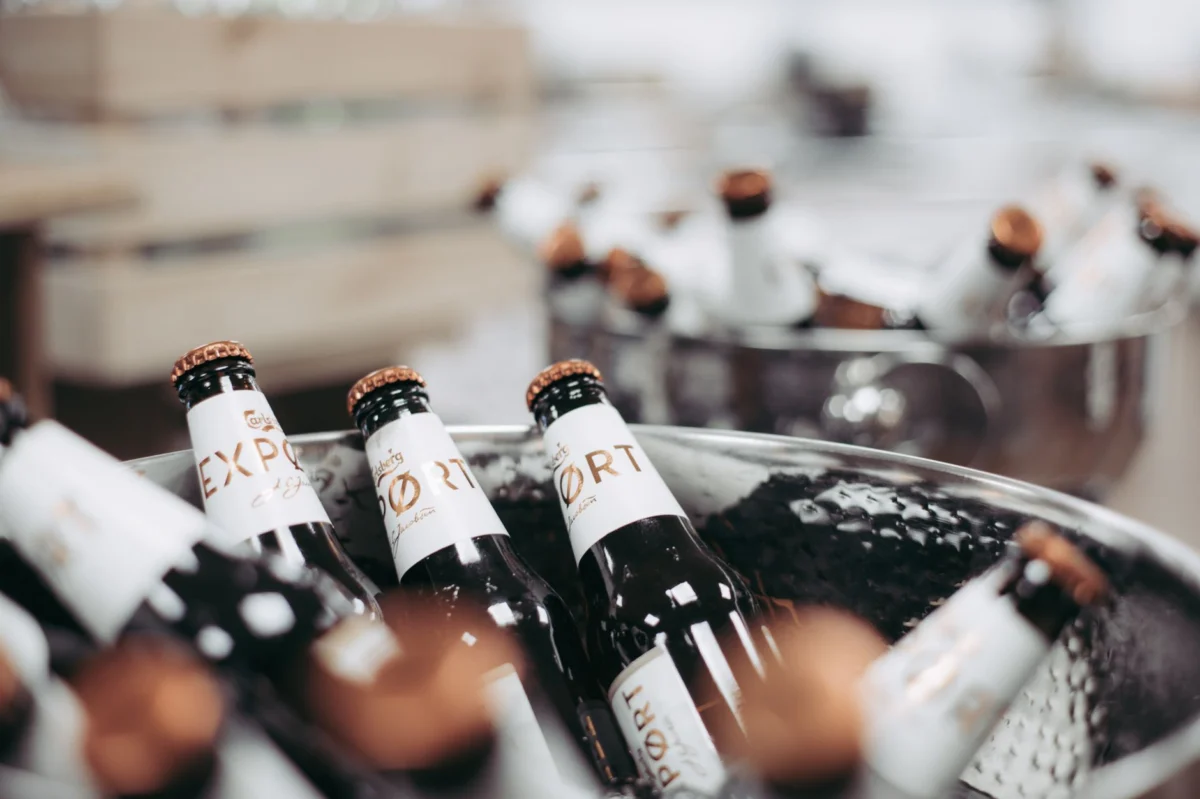
Six Nations rugby hospitality packages 2027 are not just an early sale item; they are a signal about demand, pricing and how elite rugby is being packaged for fans who want certainty as much as access. With packages advertised from £713pp, the market is clearly pricing in scarcity, premium service and the kind of matchday experience that standard tickets cannot match.
That matters because the Six Nations Championship is more than a tournament. It is a recurring peak in the rugby calendar, a television property, a travel event and a hospitality product at once. For some buyers, the price is high. For others, it is the rational cost of guaranteed entry into a fixture that can be difficult to access through ordinary admission. The right question is not whether hospitality is expensive; it is whether the package delivers value for the type of buyer paying for it.
Why the 2027 sale matters before a ball is kicked
Early releases in elite sport are rarely about generosity. They are about inventory control, forecasting and segmentation. In sports marketing, the first wave of sales is often aimed at the most reliable demand: corporate buyers, travellers, supporters planning a milestone trip and fans who do not want to risk missing out later. That is particularly true for a competition as concentrated and culturally loaded as the Six Nations, where the fixtures are limited and the marquee games can disappear quickly.
The official route matters here. Buyers are not simply purchasing a seat; they are purchasing a ticket with a contract attached to it, plus the service standard that comes with the package. That is why official channels, including the official Six Nations website, are not just a convenience. They are the most defensible route if you want clear terms, known inventory and a lower risk of counterfeit or disputed access.
From the perspective of event management, hospitality is also a tool for balancing the mix of attendees. It helps organisers monetise premium demand without raising every ticket to the same level. That pricing structure can be criticised, but it is standard practice in modern live events.
What hospitality packages usually include
Exact inclusions vary by fixture, venue and provider, so buyers should not assume every package is the same. In most cases, however, hospitality packages are built around four things: better seating, controlled access, food and drink, and a more comfortable pre-match and post-match environment.
- Premium or reserved seating with a better view than standard allocation.
- Lounge, dining or suite access before and after the match.
- Food and beverage service, often bundled into the headline price.
- Matchday extras such as a host, programme, parking or entertainment, depending on the package.
That bundle explains why the product is priced differently from ordinary admission. It is not only a seat in a stadium; it is an attempt to remove friction from the day. In the hospitality industry, comfort and convenience are part of the product, not an optional extra.
| Option | Main value | Best for | Main trade-off |
|---|---|---|---|
| Standard ticket | Basic match admission | Fans prioritising price | Less certainty, fewer extras |
| Hospitality package | Premium access and bundled service | Corporate buyers, special occasions, travellers | Higher upfront cost |
| Unofficial resale | Potential late access | Last-minute buyers | Higher risk and less protection |
Why £713pp is a meaningful price point
At £713 per person, the package is not cheap. But the number is revealing because it sits in the zone where sport, service and scarcity intersect. It is expensive enough to be a premium purchase, yet not so high that it moves into luxury-only territory. That middle ground is where most event hospitality lives: high enough to filter demand, low enough to keep the product commercially broad.
This is where the analytical critique matters. A hospitality package should be judged against what it prevents, not just what it includes. It prevents last-minute stress, uncertain seating and the risk of paying separately for food, drinks or travel-time convenience. For a business entertaining clients, that certainty can be more valuable than any padded seat or branded lounge. For a fan travelling from abroad, the package can function as a one-stop travel solution, which links directly to sports tourism.
The real product is not a seat; it is certainty, comfort and reduced friction bundled into one purchase.
That said, the price only makes sense if the inclusions are real and relevant. If a buyer does not care about lounge access, catering or premium service, hospitality is likely poor value. This is why the market should be split into two groups: buyers who want a memorable, managed experience, and buyers who only want entry to the game.
When the upgrade makes sense
Hospitality is rational when the trip is part celebration, part business or part logistics. If the fixture is a milestone occasion, if clients are involved, or if the match is a long journey with limited scheduling flexibility, the package can justify itself through convenience alone.
When it does not
If the only goal is to watch the match at the lowest possible cost, hospitality is hard to defend. In that case, standard tickets are the more efficient purchase, assuming they are available. Premium pricing is not a flaw when it is clearly defined; it becomes a problem only when buyers confuse luxury with necessity.
The tournament context that keeps demand high
The Six Nations sits inside a deeper sporting culture. It is a tournament in rugby union that still carries historical weight, national rivalry and a strong live-event identity. The modern format grew out of the old Five Nations, with Italy added in 2000, and the result is a competition that feels both familiar and highly tradable in commercial terms.
The stakes also matter. A match is never just a match. It may affect a Grand Slam chase, a Triple Crown opportunity, or the emotional balance of a season. That gives the event a weekly narrative that hospitality marketers can package very effectively.
Venue identity strengthens the appeal. The championship passes through stadiums such as Twickenham Stadium, Stade de France, Aviva Stadium, Murrayfield Stadium and the Principality Stadium, each with its own matchday culture. That variety matters because hospitality is not sold only on rugby quality; it is sold on the promise of place, atmosphere and ritual.
How to assess a package before you pay
Most buyers make the same mistake: they compare the headline price without checking the fine print. That is a poor way to buy premium sport. The smarter approach is to assess the package as a set of linked decisions.
- Check the exact fixture. A high-profile rivalry will usually justify a higher price than a less sought-after game.
- Look closely at seat location. Premium does not always mean best-in-stadium.
- Separate the inclusions. Food, drinks, parking and lounge access may be part of the appeal, but they are not always identical across packages.
- Review refund and transfer terms. Flexibility matters, especially for business bookings.
- Confirm who is selling the package. Official or authorised sellers reduce the risk of ticket disputes.
- Match the package to the occasion. Corporate entertaining, family travel and solo fandom are not the same purchase.
The best premium buyers think like procurement managers, not impulse shoppers. They compare the product against the event outcome they want, not just against the sticker price.
Why official packages usually beat the secondary market
There is a reason the resale market remains controversial around high-demand events. When inventory is tight, prices rise, verification becomes harder and the buyer takes on more risk. Official packages do not eliminate all uncertainty, but they usually give you better terms, clearer service standards and a lower chance of being stranded outside the gate.
This is where the meaning of a hospitality package becomes clearer. It is not simply a fancier ticket. It is a managed experience with a service layer attached. If that is not what the buyer wants, then the premium is wasted. But if the buyer wants a dependable day with fewer moving parts, official hospitality can be the cleaner commercial decision.
FAQ: what buyers usually want to know
What does from £713pp mean?
It means the advertised starting price is £713 per person. The actual cost depends on the fixture, the venue, the seat category and the package inclusions. Buyers should treat it as a starting point, not a universal price.
Are Six Nations hospitality packages worth it?
They are worth it if you value certainty, premium seating, food and drink, or a managed matchday experience. If you only want basic entry to the game, standard tickets are likely better value.
How are hospitality tickets different from regular tickets?
Regular tickets mainly provide admission. Hospitality tickets add service features such as lounge access, dining, better seating or other premium extras. The core difference is not just comfort; it is the way the day is packaged and delivered.
Should I buy through the official route?
Yes, whenever possible. Official sellers are the safest option for clarity, support and legitimacy. If you are spending premium money, the source of the ticket is part of the value.
The real test for 2027 is not luxury, it is access
The most important insight here is that Six Nations hospitality is a mirror of the modern live-sport economy. The event is powerful enough to command premium prices, but not so exclusive that it loses broad appeal. That balance is fragile. If prices rise too fast, the product starts to feel detached from ordinary fans. If pricing is too conservative, the organiser leaves money on the table and the premium segment underperforms.
What to watch next is not just which fixtures sell out, but how the market evolves around them: more segmented pricing, more digital ticketing, tighter controls on resale and a greater emphasis on packaged travel. The likely direction is clear. The challenge is political as much as commercial. Rugby has to decide how far it wants to lean into premiumisation without making the championship feel like a closed club. That tension will define the 2027 market long before kick-off.
Frequently Asked Questions
Why are Six Nations hospitality packages released so early if the tournament is still far away?
Early release is mainly about managing demand, not giving fans a head start. Organisers use it to secure the most reliable buyers first, especially corporate clients and travellers who want certainty. It also helps control inventory for limited fixtures and reduces the risk of premium demand overwhelming supply closer to matchday.
What makes the official hospitality route safer than buying later through resale sites?
Official channels give you clearer terms, confirmed inventory and a lower risk of counterfeit or disputed access. With hospitality, you are buying more than entry; you are buying a contract for seating, service and venue access. Resale may look flexible, but it usually carries less protection and more uncertainty.
At £713 per person, is the package mainly paying for the match or for the experience around it?
Mostly the experience around it. The price reflects premium seating, controlled access, food and drink, and a more comfortable matchday before and after the game. In other words, you are paying to remove friction and uncertainty, not just to watch the rugby from a better position.
Do all Six Nations hospitality packages include the same benefits?
No, the inclusions can vary a lot by fixture, venue and provider. Some packages may include lounge access, dining, beverages and parking, while others may focus more on seating and lighter hospitality. Buyers should check the exact inclusions carefully rather than assuming every package offers the same level of service.
Who is hospitality actually best suited to, beyond corporate buyers?
It suits anyone treating the match as a special occasion rather than just a day at the stadium. That includes milestone celebrations, overseas visitors, and fans who value certainty over chasing standard tickets. It is especially useful for people who want the event to feel organised, comfortable and low-stress from start to finish.