
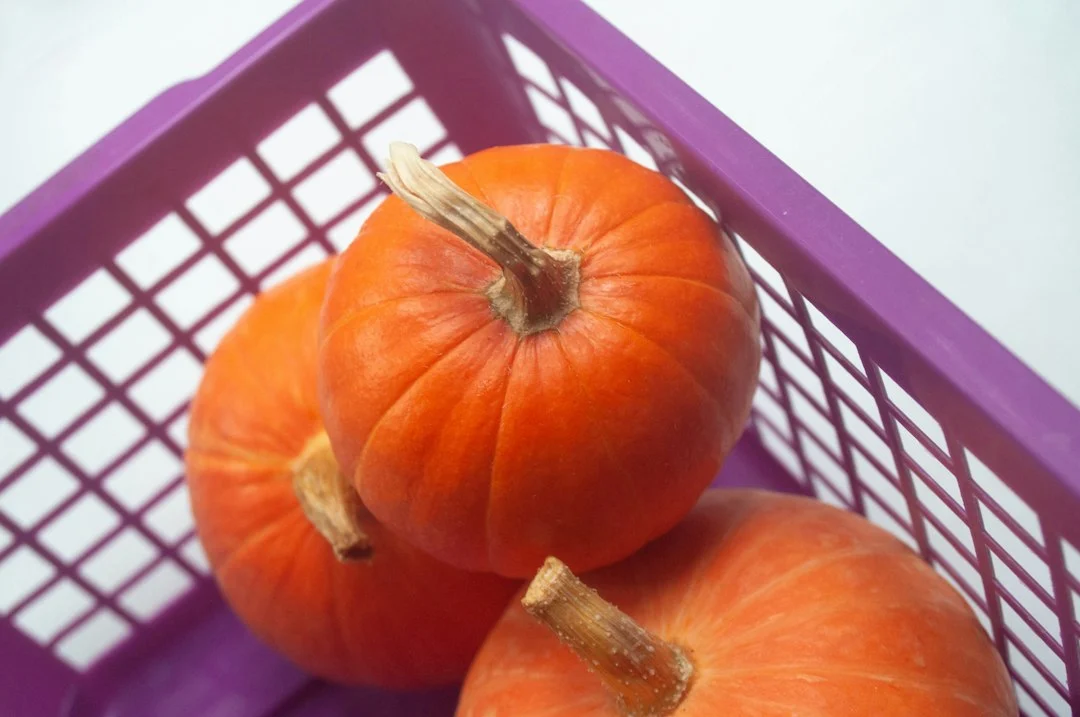
A Tesco free Halloween pumpkin giveaway looks small on paper, but it is a precise piece of retail theatre. Tesco is offering free pre-carved pumpkins at 10 selected UK stores from Thursday, 22 October to 31 October, with the giveaway operating on a first-come, first-served basis. That detail matters more than the pumpkin itself. In modern supermarket competition, the point is rarely the item alone. The point is traffic, attention, and the ability to make a routine shop feel like a seasonal event.
There is no mystery about the basic mechanics. A free item draws interest. A limited number of stores keeps the cost controlled. A short date window creates urgency. What deserves scrutiny is the logic beneath the gesture. This is not charity, and it is not a major change to Tesco’s pricing strategy. It is a tightly framed sales promotion designed to turn Halloween into a reason to visit a physical store rather than shop elsewhere or stay home.
The giveaway is not a gift. It is a capped signal that Tesco still wants the store itself to feel like a seasonal destination.
What Tesco is actually doing
The promotion sits at the intersection of retailing and merchandising. Tesco is not distributing pumpkins at random across its network. It is concentrating the offer in a small number of stores, which keeps operations manageable and increases the chance that the campaign feels rare. In practical terms, 10 stores is too few to satisfy national demand, but that is exactly why the story works. A narrow rollout makes the offer easier to explain, easier to photograph, and more likely to generate local conversation.
That is also why the campaign should be read as a marketing move rather than a generosity test. A large retailer like Tesco can afford to lose money on a small giveaway if the campaign produces enough extra footfall, basket spend, and goodwill. The pumpkin becomes a customer-acquisition tool. It is not the profit centre; it is the hook.
For shoppers, the distinction matters. If you are already planning a grocery trip, the pumpkin is a bonus. If you are travelling specifically for the giveaway, the economics are weaker. The promotion only works cleanly when the trip is convenient anyway. That is the ordinary arithmetic behind many in-store campaigns, whether the product is a decoration, a sample, or a bargain.
Why a free pumpkin can be rational marketing
A free pumpkin is useful because it reduces friction. Halloween is a deadline-driven occasion, and deadline-driven occasions are ideal for urgency-based marketing. When the date is fixed, shoppers are more likely to act now rather than postpone. In consumer behaviour terms, scarcity and novelty both increase attention. The phrase first-come, first-served is not just a distribution rule; it is part of the psychological design.
The campaign also borrows from loss leader thinking, even though the item itself is free rather than discounted. A retailer can absorb a small upfront cost if the promotional item helps drive larger spend elsewhere in the basket. That logic is especially strong in grocery, where the margin story is built on mix, frequency, and customer habit rather than one isolated sale. A pumpkin may bring someone through the door; the rest of the shop determines whether Tesco wins anything meaningful.
There is a second layer here. A pre-carved pumpkin is not only a product; it is a visual cue. It does not need a long explanation. The image sells itself. That is why Halloween works so well in store environments. A single object can do the work of a full advertising campaign if the object is instantly recognisable. The carved face turns an ordinary pumpkin into a seasonal symbol with almost no verbal instruction required.
| Promotion element | Likely retail benefit | Main downside |
|---|---|---|
| Free pumpkin | Drives attention and store visits | Creates disappointment if stock runs out early |
| Pre-carved format | Saves shoppers time and effort | Reduces flexibility and shelf life |
| Selected stores only | Limits cost and operational risk | Uneven access across regions |
| First-come, first-served | Builds urgency and early footfall | Can frustrate late arrivals |
Why Halloween is worth the effort for supermarkets
Halloween has become a serious retail moment in the United Kingdom, even though it is still smaller than Christmas in commercial terms. The holiday supports spending on costumes, sweets, decorations, party food, and carveable pumpkins. That makes it valuable to supermarkets because it compresses demand into a short, highly visible window. The deadline is fixed, the theme is simple, and the products are easy to merchandise.
The carved pumpkin itself has a long cultural history through the jack-o’-lantern. In the supermarket context, however, tradition is only part of the story. The other part is visual commerce. A pumpkin on a shelf is produce. A pre-carved pumpkin at the entrance is a seasonal signpost. It announces that the store is participating in the moment, not merely stocking it.
That distinction matters because modern grocery competition is increasingly about atmosphere as much as price. A promotion like this is designed to be shareable. If a shopper photographs it and posts it to social media, Tesco gets extra reach without paying for a traditional campaign. In that sense, the giveaway is part of the broader shift from static advertising to event-style retail communication.
The operational trade-off: excitement versus disappointment
Limited stock is efficient, but it also narrows the customer experience
The limited-store format keeps the campaign manageable, yet it also produces the most predictable risk: some shoppers will miss out. In a supermarket environment, disappointment is not a trivial outcome. A customer who turns up expecting a free pumpkin and leaves empty-handed may remember the failure more clearly than the promotion. That is the cost of scarcity-based marketing. It can generate excitement, but it can also make the brand look stingy if the practical experience falls short of the promise.
This is where the selected-store approach makes strategic sense. Tesco can control distribution, monitor demand, and avoid turning a festive offer into a logistical headache across the whole country. But the downside is obvious: the promotion is uneven by design. Some communities will see the offer, others will not. That is efficient merchandising, not universal access.
Pre-carved pumpkins change the proposition
The pre-carved format is a meaningful choice. It turns the pumpkin from a raw ingredient into a ready-made decoration. That helps busy households, especially those that want the Halloween look without the work. It also reduces the need for carving tools, mess, and time. In simple convenience terms, this is smart. In product terms, it is less flexible. Once the face is carved, the buyer is no longer selecting a blank pumpkin. They are accepting Tesco’s version of the seasonal icon.
There is also a shelf-life issue. A carved pumpkin is more exposed and generally less durable than an uncut one. That shifts it away from food utility and toward short-term display value. It is useful to say this directly: the giveaway is closer to a decoration than a food product. That distinction matters because it shapes how shoppers use it and how quickly it becomes waste.
Food waste, supply chains, and the awkward economics of pumpkins
The pumpkin is one of the clearest examples of how a food item can be valued more for appearance than for eating. That makes it relevant to the wider problem of food waste. Carved pumpkins are often displayed briefly and then discarded, while the flesh inside may never be used. The commercial logic is obvious: the visual result matters most. But the environmental logic is less flattering. Seasonal enthusiasm can become throwaway behaviour very quickly.
That is not a Tesco-specific problem. It is a structural issue in Halloween retailing. Retailers want a product that is recognisable, cheap to explain, and easy to sell in bulk. The supply chain must therefore move a lot of seasonal stock in a very short time. When the peak passes, the value drops quickly. The result is a familiar retail pattern: a narrow window of high demand followed by fast decay in both price and usefulness. That is a classic supply chain challenge, especially for produce that is decorative as much as edible.
The smarter version of this promotion would go beyond spectacle. If Tesco wanted to reduce criticism, it could pair the giveaway with practical advice on using the flesh, storing leftovers, or turning the pumpkin into a meal. That would not remove the waste problem, but it would at least show awareness that the item has a food life, not just a display life. In a public climate where waste is increasingly scrutinised, that awareness matters.
Who benefits most from this kind of giveaway?
The immediate winner is Tesco. The customer gets a free seasonal item; the retailer gets visibility, store traffic, and the possibility of a larger basket. That is the basic bargain. It is also why the giveaway should not be misread as a broad price signal. A one-off seasonal event is not the same thing as a lasting commitment to cheaper shopping. It is a tactical move, not a structural shift.
Still, the offer can be genuinely useful for shoppers if they approach it intelligently. The best-case scenario is simple: you were already going to the store, you happen to be there early, and you walk out with a seasonal item that would otherwise cost you time or money. The worst-case scenario is also simple: you make a special trip, arrive late, and leave frustrated. The promotion only delivers value when the trip itself is efficient.
There is also a branding effect. A cheerful giveaway helps Tesco look playful and community-facing, which can matter in a market where most grocery products are interchangeable. In retailing, emotional distinction often matters as much as price distinction. A supermarket that can create a small moment of seasonal delight may build more goodwill than one that only shouts about discounts.
What shoppers should realistically do
- Assume stock will be limited and arrive early if you want the best chance of getting one.
- Do not treat the giveaway as a reason to travel far out of your way.
- Check that your local branch is one of the participating stores before setting off.
- Expect demand to be highest near the start of the promotion window.
- Treat the pumpkin as a short-life decoration rather than a long-lasting food item.
Those are practical rules, not marketing slogans. Promotions like this reward timing and proximity more than enthusiasm. The customers who get the most value are usually the ones whose shopping pattern already matches the offer.
FAQ
Is the Tesco pumpkin really free?
Yes, according to the retailer’s announcement, the pumpkin is free. The catch is availability: it is limited to selected stores and offered only while stocks last.
Why are the pumpkins pre-carved?
Pre-carved pumpkins are quicker to use, more visually distinctive, and easier for some households to display immediately. The format shifts the item from raw produce to ready-made seasonal decoration.
How can shoppers improve their chances of getting one?
Go early, confirm that your store is participating, and treat the giveaway as a bonus rather than the sole reason for the trip. In a first-come, first-served promotion, timing matters more than intention.
What to watch next as Halloween retailing gets sharper
The deeper question is not whether Tesco can hand out a few pumpkins. It is whether supermarket seasonal marketing will keep moving toward tightly controlled events that are designed for visibility first and distribution second. If that trend continues, the store will matter less as a place to stock shelves and more as a stage for small, repeatable moments of urgency.
That is the important insight behind this campaign. The free pumpkin is not the story; the strategy is. Tesco is testing how far a simple seasonal object can be used to create footfall, goodwill, and local buzz without committing to a chain-wide cost. If that balance works, expect more carefully staged promotions across the UK grocery sector. If it fails, the market may decide that shoppers want less theatre and more substance from their supermarkets. The unanswered question is whether consumers will keep rewarding scarcity-driven spectacle, or whether they will eventually demand promotions that are both festive and genuinely useful.
Frequently Asked Questions
Why is Tesco giving away pre-carved pumpkins instead of ordinary pumpkins?
A pre-carved pumpkin is quicker to use and more visually striking, which makes it a stronger seasonal marketing tool. Tesco is not just giving away produce; it is offering something that immediately signals Halloween and saves shoppers time. That makes the promotion more likely to attract attention and create a memorable in-store moment.
Why are only 10 Tesco stores included in the giveaway?
Keeping the promotion to 10 stores limits Tesco’s costs and makes the offer feel more exclusive. A small rollout also increases the chance of local buzz, since a rare giveaway is more likely to be talked about and photographed. In retail terms, scarcity is part of the campaign’s appeal, not a drawback.
Do shoppers need to buy anything to get a free pumpkin?
The article does not indicate that a purchase is required, but the giveaway is first-come, first-served and limited to selected stores. That means the main condition is timing rather than spend. Even so, Tesco is likely hoping the free pumpkin encourages a wider shop once customers are already in-store.
Is this a sign that Tesco is changing its pricing strategy for Halloween?
No. This looks like a short-term promotional tactic rather than a wider pricing shift. Tesco is using a low-cost seasonal giveaway to drive attention, footfall, and goodwill. It is better understood as retail theatre than as a change in how the supermarket prices its Halloween range or everyday products.
What is the real benefit for Tesco if the pumpkin is free?
The pumpkin itself is not the profit centre. Tesco benefits if the giveaway brings more customers into stores and increases the chance of extra items being added to the basket. Even a small promotion can be worthwhile if it creates more visits, stronger seasonal engagement, and a better overall shopping experience.
What should shoppers expect if they visit late in the promotion period?
They should expect stock to be limited and possibly gone quickly, especially because the offer works on a first-come, first-served basis. That urgency is part of the campaign design. If someone is going specifically for the pumpkin, arriving early matters more than visiting on the last day.