
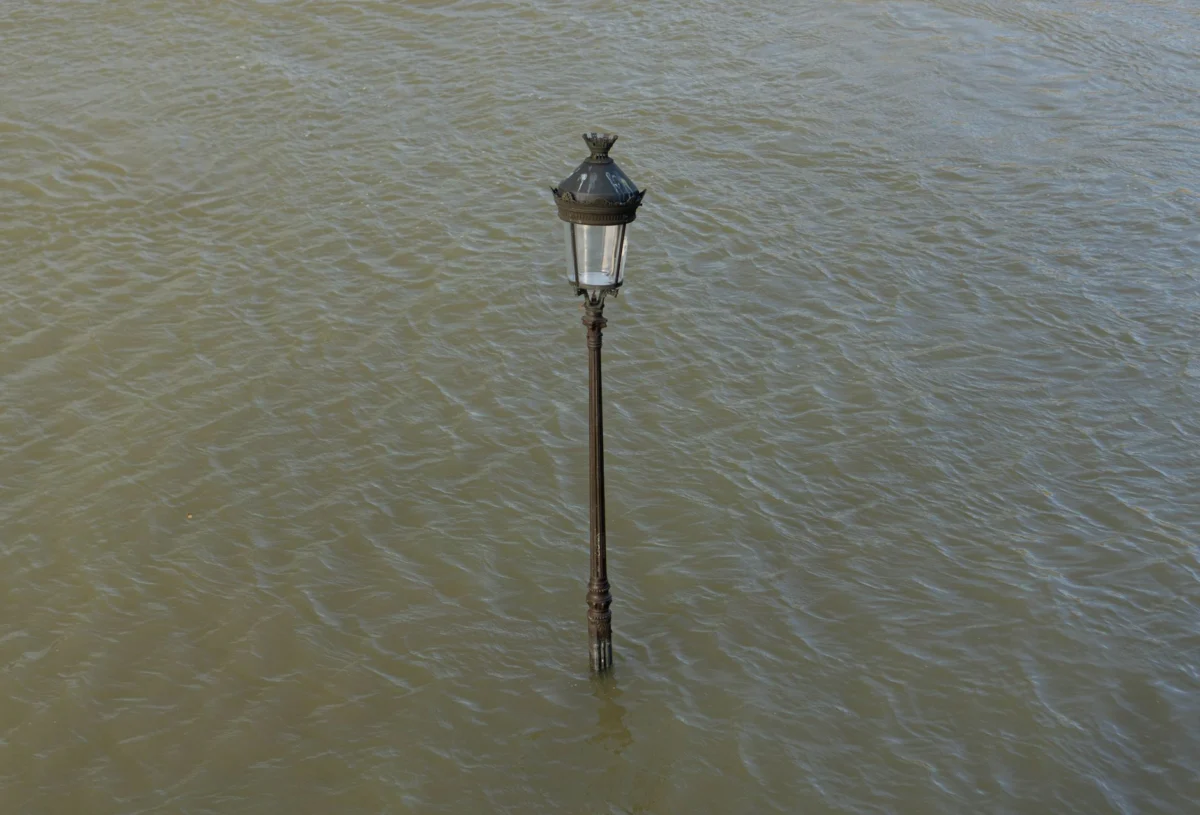
Thames Water nationalisation has moved from a fringe slogan to a serious policy option because the company now sits at the intersection of weak investment, heavy borrowing, public anger and a regulatory system that has not produced a clean fix. The issue is no longer whether the system needs intervention. It is which intervention can stabilise a critical water utility without repeating the mistakes that created the crisis.
Water is a classic regulated monopoly, not a normal market. In the UK model that followed privatisation, companies such as Thames Water were expected to finance long-lived assets, keep bills manageable and meet public standards under the Water Services Regulation Authority. That arrangement only works when debt, investment and enforcement stay aligned. They have not. The result is visible in service failures, sewage discharges, and the collapse of trust.
A failing monopoly does not become healthy because ownership changes. It becomes healthy only when incentives, capital and enforcement all move in the same direction.
Why Thames Water nationalisation is back on the table
The political appeal of public ownership is simple: if a company is too important to fail, ministers want a direct way to control it. That logic is strongest in the water supply and sanitation in the United Kingdom framework, where the public expects reliable service, clean rivers and rapid repair. It is also strengthened by the public-health and environmental dimensions of sewage treatment and by the pressure created when environmental regulation fails to stop obvious harm.
But nationalisation is not the only radical option. The state can also use a special administration regime to keep water flowing while restructuring the business, protecting customers and deciding whether the current ownership model is salvageable. That makes the debate less ideological than operational. The key question is not who owns the pipes on day one; it is who can fund the repairs, absorb losses and rebuild credibility on day 1,000.
The policy menu: rescue, restructure or full public control
| Option | What it means | Main advantage | Main drawback |
|---|---|---|---|
| Emergency administration | The state takes temporary control while debt and operations are reorganised | Keeps service running and forces a reset | Complex, legally messy and politically risky |
| Debt restructuring with private ownership | Creditors take losses and the balance sheet is repaired without full public ownership | Preserves some market discipline | May not restore trust or solve long-term underinvestment |
| Nationalization | The company moves into direct public control under a new settlement | Clear accountability and more room to redesign incentives | Compensation, transition costs and management risk |
These choices are not abstract. They are shaped by the history of the UK water industry, where private finance was supposed to deliver efficiency but often encouraged leverage instead. In that sense, the Thames Water crisis is a test of whether a public utility can be protected from financial engineering that is rational for investors but damaging for customers.
What broke in the current model
The core failure is not that debt exists. It is that the company’s corporate debt became too large relative to the resilience of a system that must keep operating no matter what. In a healthy structure, bond finance can support long-term infrastructure. In a stressed monopoly, the same structure can crowd out maintenance, slow response times and push management toward short-term fixes. That is why debt restructuring is now central to the argument.
There is also a governance problem. When performance deteriorates, each side of the system blames another: owners blame regulation, regulators blame management, management blames legacy debt, and customers absorb the consequences. That is the classic weakness of a poorly governed utility. If the state wants to avoid repeating that cycle, it must make ownership secondary to enforceable standards on investment, leakage, pollution and service quality.
What a serious turnaround would actually require
Any credible rescue plan should do more than change the logo on the gate. It should change the incentives inside the business and around it.
- A binding capital plan that prioritises pipes, treatment works and resilience over cosmetic fixes.
- Stricter limits on leverage and payouts so dividends do not outrun investment.
- Transparent reporting on leakage, spills, compliance and repair backlogs, published in plain language.
- Harder enforcement from Ofwat and environmental authorities when service standards are missed.
- Consumer protection so households do not pay for financial failure twice.
Those measures matter because the policy failure is not only technical. It is also democratic. Once a utility is seen as extracting value instead of providing service, every bill becomes a political argument. That is why the debate over Thames Water has broader implications for the legitimacy of the state itself.
What ministers and regulators should watch next
The immediate signal to watch is whether officials choose a temporary fix or a durable redesign. If they rely on a narrow rescue, the crisis will return. If they use the moment to reset debt, tighten regulation and clarify ownership rules, the Thames Water case could become a template for the rest of the sector. That would matter far beyond one company, because it would redefine what British utility policy expects from private capital.
The unresolved question is whether ministers want a system that is merely solvent, or one that is truly accountable. A solvent company that still leaks, spills and defers maintenance has not been fixed. A publicly owned company that keeps the same incentives has not been fixed either. The next move will show whether this is a genuine reform effort or only a politically useful rescue.
Frequently asked questions
What is a special administration regime?
It is an emergency legal mechanism that can place a failing utility under temporary control so service continues while its finances and ownership are reorganised. It is not the same as full nationalization.
Would nationalisation automatically solve Thames Water’s problems?
No. Public ownership can improve accountability, but it does not automatically repair pipes, reduce debt or improve management. Those outcomes still depend on funding, governance and enforcement.
Why is this more than a company problem?
Because water is an essential service. When a monopoly fails, the consequences reach households, rivers, local economies and public trust in the wider regulatory system.
The real test is whether the system can be rebuilt, not just rescued
The most important insight is that Thames Water is not simply a distressed company; it is a stress test for the entire model of public ownership, private finance and regulatory control in a critical service. If ministers only change ownership and leave the incentive structure intact, the same failure will reappear under a different label. If they use the crisis to force debt discipline, stronger enforcement and clearer public accountability, they may finally turn a broken utility into a functioning one. Watch whether the next decision is framed as a bailout, a restructuring or a redesign, because only one of those three creates a system worth defending.
Frequently Asked Questions
Why is nationalisation being discussed now instead of years ago?
Because the problem has moved from a warning sign to a system failure. Thames Water now combines high debt, weak investment, public anger and repeated service problems, so the question is no longer whether intervention is needed. It is which intervention can stabilise a critical monopoly without leaving the same incentives in place.
Would nationalisation automatically fix leaks, sewage spills and poor service?
No. Ownership alone does not repair infrastructure or improve operations. The article argues that a failing monopoly becomes healthy only when incentives, capital and enforcement are aligned. Without a serious reset of investment, governance and regulatory standards, public ownership could simply inherit the same problems under a different label.
How is special administration different from full nationalisation?
Special administration is a temporary rescue mechanism. The state steps in to keep water services running while debt and operations are reorganised, then decides the future structure of the business. Nationalisation is more permanent, moving the company into direct public control and allowing a wider redesign of the utility model.
Why is Thames Water's debt such a big issue if debt is normal for infrastructure companies?
Debt is not the problem by itself. In a stable utility, borrowing can fund long-lived assets. The issue is that Thames Water's debt became too large relative to a monopoly that must keep operating no matter what. That can squeeze maintenance, weaken resilience and encourage short-term financial fixes instead of long-term investment.
If private ownership failed, why not keep the company private but restructure the debt?
That is one of the main alternatives. Debt restructuring can restore financial stability while preserving some market discipline and avoiding the disruption of full public ownership. The concern is that it may not be enough to rebuild trust, prevent repeated underinvestment or solve the governance failures that produced the crisis in the first place.
What is the real decision policymakers have to make?
The core decision is not simply whether the state owns the assets. It is who can fund the repairs, absorb the losses and enforce standards over time. In other words, the real choice is between a temporary rescue, a debt-led reset or a new public settlement that gives long-term accountability and credibility.