
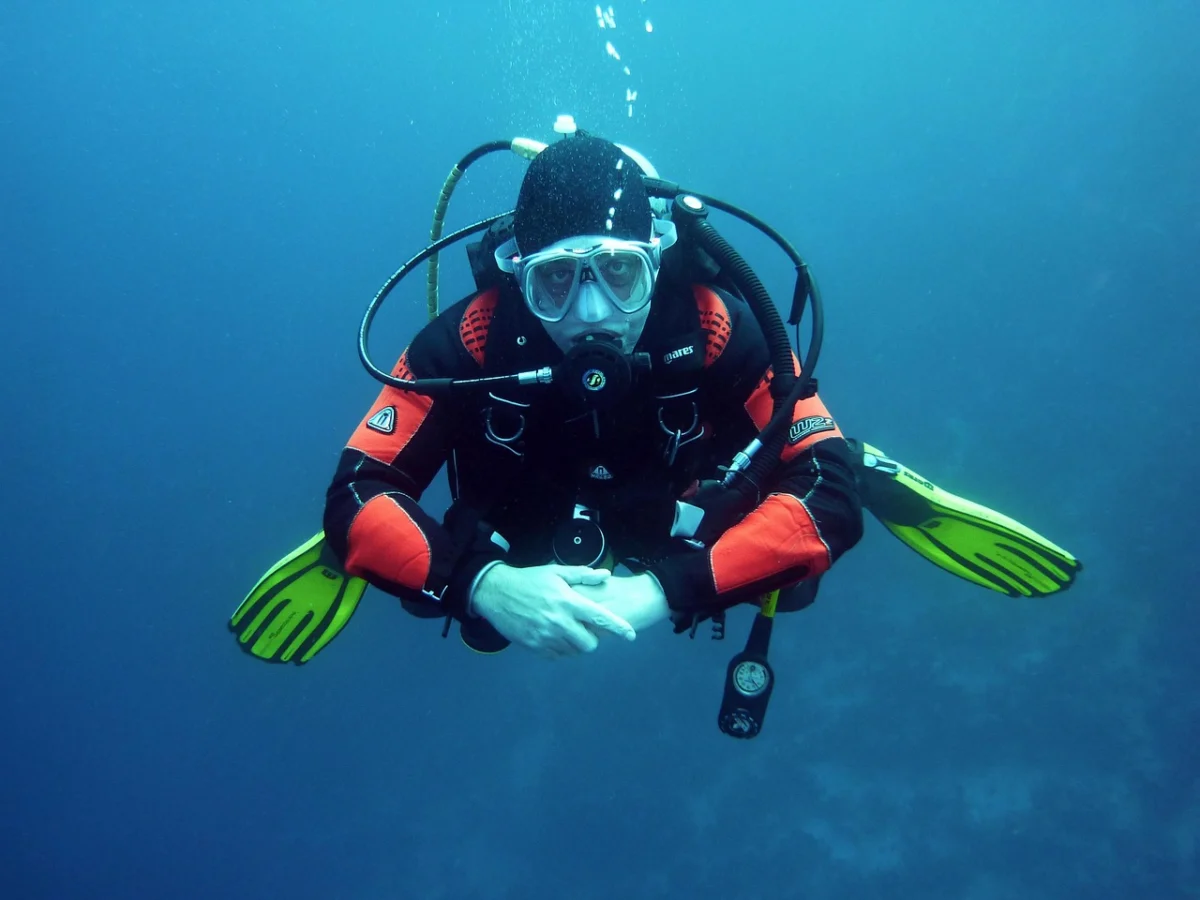
Below the surface at Anse La Verdure, Saint Lucia is preparing to open something unusually ambitious: an underwater sculpture park in Saint Lucia called Below Saint Lucia, a project that blends art, heritage, and marine conservation into one submerged experience. Inspired by the island’s people and national identity, the park aims to invite divers and snorkelers into a gallery where light, salt water, currents, and marine life all become part of the exhibition.
That matters because a destination like this is not just a novelty. It sits at the intersection of Saint Lucia, underwater art, public art, and tourism, while also testing how seriously a small island can connect culture to marine conservation. If it is designed well, it could become one of those rare travel experiences that changes how a place is seen, and how the sea is valued.
Why the underwater sculpture park in Saint Lucia matters now
An underwater sculpture park is a hybrid creature: part sculpture, part site-specific art installation, part reef experiment. The idea is familiar to divers because one of the best-known precedents, Molinere Underwater Sculpture Park in Grenada, showed that submerged art can attract visitors while also creating surfaces for algae, sponges, and fish to colonize. The logic is simple, but the outcome is not. A sculpture below the surface is never still; it is slowly rewritten by water, sunlight, and life.
That is why the opening of Below Saint Lucia deserves attention beyond the travel page. It is not merely a new place to visit. It is a statement that a place can be interpreted through the sea as well as from the shore. For scuba diving travelers and snorkeling visitors alike, the attraction offers a different kind of encounter: slower, quieter, and more reflective than the usual beach-day rush.
How art becomes habitat
The phrase art meets conservation can sound like branding unless the design is thoughtful. In practice, a submerged sculpture park only earns its ecological reputation if the materials, placement, and maintenance are all chosen with care. When structures are built from marine-safe materials and positioned to avoid damaging fragile seabeds, they can function like an artificial reef, adding hard surfaces where marine organisms may settle. But that is a possibility, not a guarantee.
That distinction is critical. Healthy coral reefs depend on water quality, temperature stability, and protection from physical damage. Around the world, reefs face pressure from heat stress, storms, pollution, and coral bleaching. A sculpture park cannot solve those threats on its own. At best, it can create a small, carefully managed environment that adds awareness, diversifies habitat, and gives visitors a reason to care more deeply about the marine world.
From a conservation perspective, the smartest way to judge the project is not to ask whether it is magical, but whether it is measurable. Did the site avoid sensitive habitats? Are mooring systems used to reduce anchor damage? Is there monitoring for fish presence, sediment movement, and colonization by marine life? Those are the practical questions that separate serious marine stewardship from decorative underwater marketing.
| Opportunity | Why it matters | What to watch |
|---|---|---|
| New habitat surfaces | Sculptures can offer texture and shelter for marine organisms | Colonization patterns, species diversity, sediment buildup |
| Visitor dispersal | Can relieve pressure on crowded shore attractions | Carrying capacity, guide ratios, site crowding |
| Environmental education | Creates a memorable way to teach reef stewardship | Interpretation quality, signage, guide training |
| Local economic value | Supports boats, guides, artists, and nearby businesses | Community participation, fair revenue sharing |
Why Saint Lucia is a powerful canvas for this idea
In the Caribbean and the wider West Indies, destinations compete through distinctiveness. Beaches are beautiful everywhere; experiences are not. A new underwater park gives Saint Lucia a signature that can be promoted without flattening the island into a generic postcard. It also aligns with the logic of ecotourism, where the value lies not just in seeing a place, but in learning how to travel with more care.
That matters in a country where tourism is more than a side industry; it is part of the way the island narrates itself to the world. The most effective cultural destinations are not those that scream for attention, but those that make local identity feel vivid and specific. A sculpture park can do that if it is grounded in heritage, national identity, and the lived stories of people who know the coast not as a backdrop, but as a shared inheritance.
That is especially relevant for cultural tourism, which works best when it is specific enough to feel irreplaceable. If Below Saint Lucia can make visitors sense the island’s character through shape, texture, and symbolism rather than brochure language, then it will have done something far more interesting than create another dive stop. It will have created an emotional map.
The visitor experience: beauty, discipline, and access
For visitors, the allure will be immediate. There is something unforgettable about descending into blue water and finding art waiting below. In a land-based museum, the viewer stays dry and the object stays fixed. Underwater, the relationship changes. The visitor moves through the space with care, the current participates in the viewing, and the work itself feels alive because the environment is alive.
That said, the best underwater attractions succeed because they ask for discipline. Divers need buoyancy control and respect for the site. Snorkelers need clear briefings about depth, safety, and where they may or may not enter. Guides, moorings, and group limits matter more than spectacle. If the park becomes popular, it will also need clear rules that protect both the art and the ecosystem around it. Without that, popularity quickly becomes pressure.
The most compelling version of this experience may not be the deepest or most technically demanding. It may simply be the most elegant: a site shallow enough to feel accessible, quiet enough to feel contemplative, and well interpreted enough that visitors understand what they are looking at. That combination turns a novelty into a destination.
The economic logic behind a submerged gallery
Every destination product should be judged by the quality of the value it creates. A successful underwater sculpture park can support boat operators, dive shops, guides, photographers, artists, and food vendors nearby. More importantly, it can give people a reason to stay longer. In tourism, an extra day matters. It means another lunch, another guided outing, another sunset purchase, another chance for a local business to benefit.
But there is a deeper point here. The strongest tourism products are not extractive. They do not merely pull people in and send them away with photos. They give visitors a reason to understand place more deeply. That is where public art becomes economically meaningful: it creates identity, and identity creates recall. People remember places that feel original.
In that sense, Below Saint Lucia could function like a living brand asset, but only if the branding grows out of substance. The island should not be sold as a gimmick. It should be presented as a place where art, ecology, and community are being asked to collaborate. That is a much stronger story, and one that has longer legs.
The stories the sculptures tell
The announcement that the works are inspired by Saint Lucia’s people, heritage, and national identity is perhaps the most important detail of all. Without that grounding, a submerged sculpture park could be beautiful but emotionally thin. With it, the site becomes a narrative space. It can reflect the island’s labor, memory, music, resilience, and social texture in ways that are less literal than a monument, but potentially more affecting.
That is where the language of culture and history matters. Public-facing art is strongest when it does not simply decorate a location; it interprets it. An underwater park can work like an open-air archive, except the archive is underwater and the pages are alive with marine growth. That makes the site feel less like an exhibit and more like a relationship between memory and environment.
There is also a symbolic power in moving national storytelling below the waves. Islands are often understood from the outside as scenery. This project offers a counterargument: the sea is not just surrounding Saint Lucia, it is part of Saint Lucia’s identity. The sculptures can make that idea visible.
What conservation-minded readers should monitor after opening
The most serious question is not whether the park will be photographed. It is whether it will be managed well enough to age gracefully. If the opening is successful, the next phase will depend on governance, not glamour. Readers should watch for five things: site monitoring, local participation, visitor capacity, maintenance schedules, and whether the park is treated as a living marine space rather than a fixed attraction.
In practical terms, the strongest projects usually do the unglamorous work first. They start with an environmental impact assessment, keep detailed records, and adapt when conditions change. That is the difference between a one-season curiosity and a long-term success. If marine growth begins to spread, if fish start using the structures, and if visitors behave responsibly, the park may grow into something much richer than a photo stop.
- Check whether the site has clear rules for boats, anchoring, and group size.
- Look for evidence that local artists, guides, and businesses are part of the project.
- Watch whether the park adds to environmental education rather than replacing it.
- Pay attention to maintenance: corrosion, displacement, and debris management matter.
- Track whether the experience remains respectful as visitor interest grows.
FAQ about Below Saint Lucia
What is an underwater sculpture park?
It is a site where sculptures are installed underwater so divers and sometimes snorkelers can experience them as part of the marine environment. The best examples combine artistic intent with careful ecological design.
Can non-divers enjoy the park?
That depends on depth, visibility, and site design. Some underwater parks are accessible to snorkelers, while others are best viewed by scuba divers. The closer the work is placed to the surface, the wider the audience tends to be.
Does an underwater sculpture park help reefs?
It can help in limited ways if it is designed responsibly, but it is not a replacement for reef protection. Real conservation still depends on water quality, habitat protection, and climate resilience.
Why is Saint Lucia opening one now?
Because destinations increasingly need experiences that are visually striking, locally rooted, and economically useful. Below Saint Lucia appears to be trying to answer all three needs at once.
What the first winter season will reveal
The first season will tell the real story. If the park draws visitors without overwhelming the site, if local communities feel ownership, and if the sculptures become a genuine meeting point between identity and ecology, Saint Lucia may have created something quietly influential. It could become a model for how islands use art to deepen, rather than dilute, their distinctiveness.
But the larger lesson may be even more interesting. A successful underwater sculpture park suggests that the sea can be more than scenery, more than a backdrop for tourism marketing. It can be a collaborator in memory, conservation, and imagination. The unanswered question is whether visitors will come to see the sculptures first, or the living ocean around them. The strongest answer may be that the two can no longer be separated.
Frequently Asked Questions
¿Qué diferencia a este parque de otras atracciones submarinas turísticas?
No se plantea solo como una curiosidad para bucear, sino como una obra de arte site-specific ligada a la identidad nacional y a la conservación marina. Su valor está en cómo combina patrimonio cultural, experiencia inmersiva y posibles beneficios ecológicos, en lugar de ofrecer únicamente una actividad recreativa bajo el agua.
¿Un parque de esculturas submarinas realmente ayuda a los arrecifes?
Puede ayudar de forma limitada, pero no sustituye a un arrecife natural. Si las esculturas usan materiales seguros y se colocan sin dañar fondos sensibles, pueden ofrecer superficies para que se asienten algas, esponjas y peces. Su aporte real depende del diseño, la ubicación y el seguimiento ambiental a largo plazo.
¿Hay riesgo de que la instalación perjudique el ecosistema marino local?
Sí, si se instala sobre hábitats frágiles, si genera sedimentos en exceso o si atrae demasiadas visitas sin control. Por eso importan el estudio del sitio, las boyas de amarre, la capacidad de carga y el monitoreo continuo. Un proyecto serio debe minimizar impactos antes de pensar en su valor turístico.
¿Se necesita ser buceador certificado para visitar el parque?
No necesariamente. El artículo indica que el parque está pensado para buceadores y también para snorkelistas, así que parte de la experiencia podría ser accesible desde aguas poco profundas. Aun así, la visibilidad, la profundidad exacta y las normas de acceso determinarán qué tipo de visitante puede disfrutarlo con seguridad.
¿Por qué Saint Lucia apuesta por este tipo de proyecto en lugar de otra atracción cultural?
Porque le permite diferenciarse en un Caribe donde muchas islas compiten con playas similares. Un parque submarino crea una firma propia: une arte, historia local y mar, y además puede repartir beneficios hacia guías, embarcaciones, artistas y negocios cercanos. Es una forma de contar el destino desde el agua.