
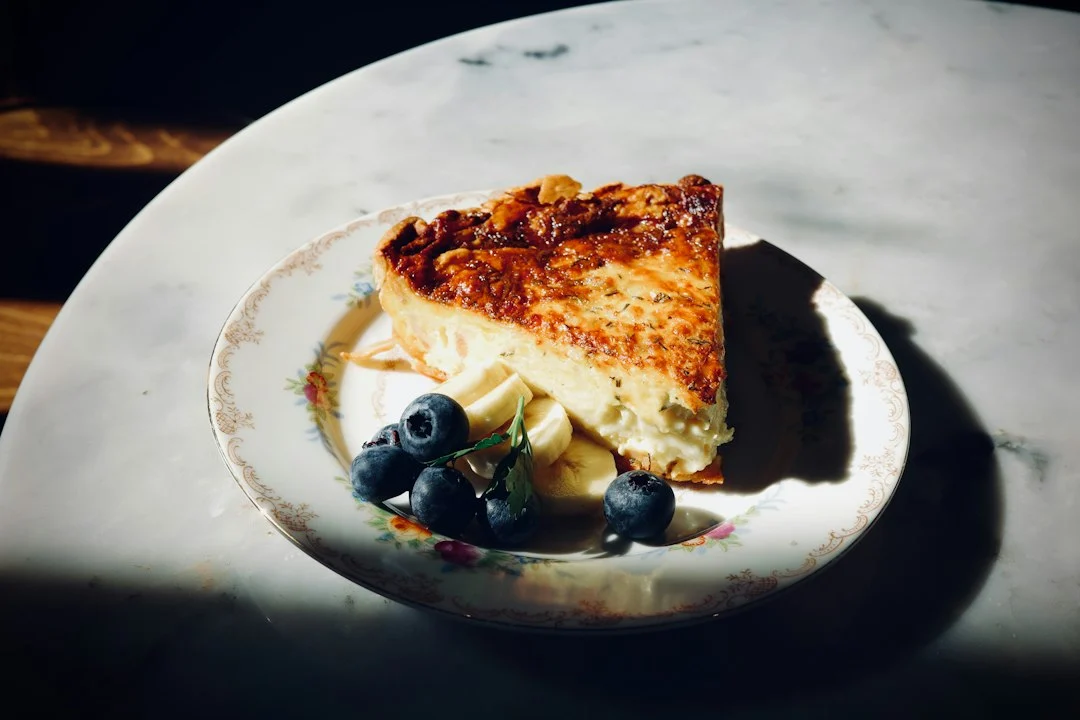
A British potato pie recipe can look almost too plain to matter, which is exactly why the best versions are worth studying. In British cuisine, the line between plain and satisfying is often drawn by technique, not spectacle. A well-made pie turns potato into something richer than its ingredients suggest, and it does so with the economy that defines real comfort food.
That is the logic behind the five-ingredient formula: reduce the moving parts, then make each one count. The dish succeeds when it behaves like a proper pie, not a loose filling in disguise. The shortcut is not laziness; it is a deliberate choice to spend effort where it matters most, especially on the crust and the balance of the filling.
Why the five-ingredient formula works
Minimal recipes can be unforgiving, but they are also revealing. When a pie has only a handful of ingredients, every component needs a clear function. Potato provides body. Fat supplies richness. Onion or leek adds sweetness and depth. Seasoning keeps the starch from reading as flat. The crust, meanwhile, gives the dish its edge and contrast. If any one of those jobs is missing, the result tends to feel dull or heavy.
This is why the recipe feels more disciplined than nostalgic. It keeps the flavour profile narrow and focused, which makes the pie taste more intentional than a broader, busier version might. It is closer to a smart savory pie than to a casserole wearing pastry as a costume.
Few-ingredient cooking only works when every ingredient has a task the others cannot replace.
The pastry shortcut is the real story
The headline promise here is not just simplicity; it is the use of a clever shortcut. A flaky top made with puff pastry changes the whole texture of the dish. Traditional pastry work, especially with shortcrust pastry or even hot water crust pastry, gives a pie a more old-school structure, but it also adds handling, rest time, and a higher chance of failure. A ready-made sheet is not a compromise if the filling is honest and the baking is disciplined.
What matters technically is that puff pastry behaves like laminated dough: thin layers of dough and fat separate as steam rises, producing lift. That effect depends on the chemistry of butter, the structure of flour, and enough oven heat to push the layers apart. In other words, the shortcut only works when the baker respects the physics.
Where the shortcut helps most
- It lowers the barrier to making a pie on a weeknight.
- It preserves texture without demanding a full from-scratch crust.
- It lets the filling stay plain-spoken while the top delivers contrast.
Ingredient quality still matters more than ingredient count
Five ingredients are not an excuse to use indifferent produce. A potato pie made with watery potatoes, tired onion, and limp pastry will taste thin no matter how neatly it is assembled. The best filling usually starts with floury potatoes that break down into something closer to mashed potato than to a loose medley of chunks. That texture gives the pie cohesion without making it gluey.
Small decisions matter here. A little Cheddar cheese can sharpen the flavour and add weight. A leek gives a softer sweetness than an ordinary onion. These are not decorative tweaks; they determine whether the pie tastes fully developed or merely assembled.
| Component | Role | What goes wrong if mishandled |
|---|---|---|
| Potato | Body and starch | Can turn dry, grainy, or gluey |
| Pastry | Contrast and structure | Can go soggy if the filling is wet |
| Fat | Richness and mouthfeel | Can feel greasy if overused |
| Allium | Sweetness and depth | Can taste harsh if undercooked |
| Seasoning | Clarity and balance | Can leave the pie flat and anonymous |
How to avoid the usual failures
The mistakes are predictable. The filling is too wet, so the pastry softens. The oven is too cool, so the crust never browns properly. The pie is cut too soon, so the layers collapse. None of this is mysterious, which is why it is frustrating when it happens. The cure is basic but non-negotiable: cook out excess moisture, preheat properly, and let the pie rest long enough to slice cleanly.
That discipline is what separates a serious home dish from a vague nostalgic one. The pie should taste of potatoes, fat, and pastry in distinct layers, not as a single soft mass. In that sense, the best British potato pie is almost architectural: the structure matters as much as the flavour.
Why this kind of comfort food keeps returning
Recipes like this endure because they solve more than hunger. They offer a low-friction path to something that still looks handmade. That combination matters in a cooking culture shaped by time pressure, grocery inflation, and the desire for visible effort with limited labour. It also explains why familiar forms such as the Cornish pasty and other regional pies remain culturally durable: the format is flexible, filling, and recognisably British without being fussy.
The deeper appeal is not nostalgia for its own sake. It is trust. A simple potato pie promises that the cook understands the relationship between pastry and filling, between richness and restraint. That is why this dish keeps surviving new trends. It is humble, but it is not careless.
FAQ
Can I use shortcrust pastry instead of puff pastry?
Yes. Shortcrust pastry gives a firmer, more traditional shell and less dramatic lift. It is a better choice if you want a sturdier slice rather than a flaky top.
Which potatoes work best for a British potato pie?
Floury potatoes are usually the best option because they soften into a cohesive filling. Waxy potatoes hold shape more tightly and can make the texture feel uneven.
How do I stop the pie from becoming soggy?
Keep the filling relatively dry, let it cool before assembly, and bake until the pastry is properly coloured. Sogginess is usually a moisture problem, not a mystery.
Can I make this pie ahead of time?
Yes, and it often benefits from resting. Assemble it in advance, chill it, then bake or reheat until the crust is crisp again and the filling has settled.
The real lesson in a five-ingredient pie
The most important insight is that simplicity only looks easy when the underlying decisions are sound. A good British potato pie does not need embellishment to feel complete; it needs proportion, dryness control, and pastry that behaves properly. The next development to watch is not whether cooks add more ingredients, but whether they keep respecting the mechanics that make this format work. If the recipe has a future, it will be in that tension between convenience and precision: fewer ingredients, better technique, and no tolerance for weak shortcuts.
Frequently Asked Questions
Why does a five-ingredient potato pie taste more satisfying than a more elaborate version?
Because each ingredient has a clear job, nothing gets lost in the mix. Potato gives body, fat adds richness, allium brings sweetness, seasoning sharpens the flavour, and pastry provides contrast. With fewer elements, the pie feels more deliberate and balanced instead of muddled or heavy.
Is puff pastry really better than a traditional crust for this kind of pie?
Not necessarily better in every case, but it is the easiest way to get a light, crisp top without a lot of work. Puff pastry creates lift and contrast, which suits a simple filling. A traditional crust can be excellent too, but it usually takes more handling and is less forgiving.
How do you keep the pastry from going soggy under a potato filling?
The main defence is controlling moisture before the pie goes into the oven. The potatoes and onions should be cooked enough to release excess water, and the filling should not be wet or soupy. A hot oven also matters, because it helps the pastry set and brown before steam softens it.
What kind of potatoes work best in a British potato pie?
Floury potatoes are usually the best choice because they break down into a softer, more cohesive filling. That texture helps the pie hold together without becoming watery. Waxy potatoes tend to stay too firm and can make the filling feel scattered rather than unified.
Can you add cheese or leeks without ruining the simplicity of the recipe?
Yes, as long as the addition has a clear purpose. A little Cheddar adds depth and saltiness, while leeks bring a gentler sweetness than onion. The point is not to keep the pie bare, but to keep every ingredient functional. Small additions can improve the dish without making it busy.