
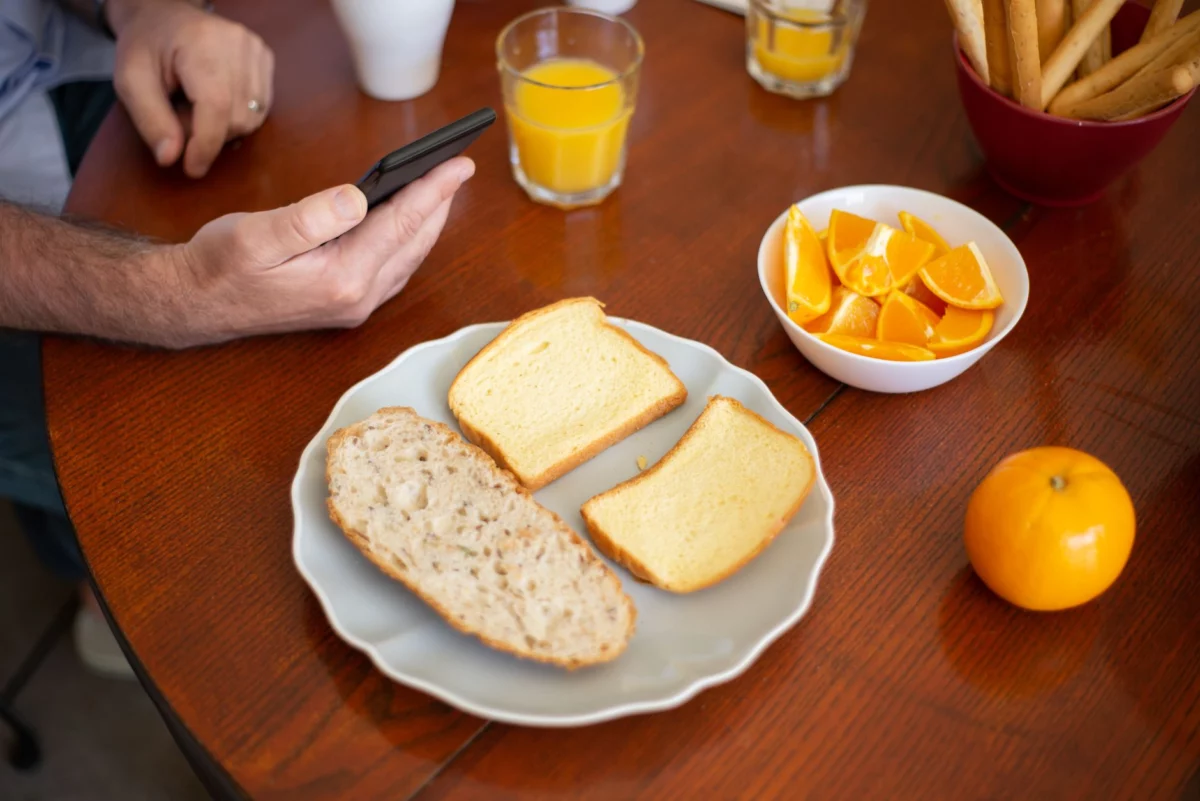
Shaun Murphy social media trolls became more than a passing snooker story the moment he answered criticism with a photo of toast. The joke was obvious, but the underlying message was sharper: in today’s social media economy, even a harmless holiday photo can trigger accusations of showing off, and even a playful reply can become a statement about status, authenticity, and control. Murphy’s post works because it turns the argument inside out. Instead of defending the trip, he exposes the pettiness of the outrage.
That is why this episode matters. It is not really about breakfast, and it is not really about a luxury trip to Hong Kong. It is about how public figures are judged on platforms like Instagram, where visibility creates entitlement and familiarity often curdles into criticism. The reaction also reveals a familiar pattern in celebrity culture: the more human and ordinary an athlete tries to appear, the more some audiences insist on policing the performance.
What Murphy’s response actually signaled
Posting a slice of toast after being mocked for a glamorous trip is not a random gag. It is a controlled act of impression management. Murphy was not merely laughing at his critics; he was refusing to enter the frame they had tried to build around him. That matters because online criticism is rarely just about the content of a post. It is often about enforcing a social norm: don’t enjoy yourself too visibly, don’t look too comfortable, and certainly don’t appear to enjoy wealth without apology.
In that sense, the toast photo is closer to a strategic non-response than a meltdown. It uses low-stakes humor to diminish the authority of the complaint. The move is especially effective because it is so anti-climactic. If critics expected a defensive explanation, they got absurdity instead. If they expected silence, they got a wink. That ambiguity is useful in the age of the attention economy: the less an athlete feeds the original grievance, the less oxygen the grievance receives.
Why luxury travel posts attract backlash
Envy is not the whole story
It is tempting to reduce the reaction to jealousy, but that would be too simple. A luxury travel post can trigger annoyance for several reasons at once. Some viewers resent conspicuous wealth. Others dislike what they perceive as performative lifestyle branding. Others still are reacting to a broader cultural mood shaped by economic stress, where polished leisure feels like a provocation even when it is not intended that way. A photo of a nice hotel or a polished city break is rarely read as just a photo. It becomes a test of whether the subject is
Frequently Asked Questions
Why did a simple toast photo make such an impact compared with a direct apology or explanation?
Because it changed the terms of the conversation. A direct defense would have kept the original accusation alive, while the toast photo made the criticism look overblown. The joke signaled confidence and control, and it reframed the issue as one of online overreaction rather than a genuine offense.
Was Shaun Murphy’s response just a joke, or was it also a branding move?
It was both. On the surface it was humorous, but it also acted as impression management. By replying with something ordinary and self-aware, he protected his public image without sounding defensive. That kind of response can strengthen an athlete’s brand by showing wit, detachment, and a refusal to be intimidated by trolls.
Why do luxury travel posts provoke stronger reactions than other kinds of social media content?
Because they combine visibility, money, and aspiration in a way that can feel socially loaded. For some viewers, they suggest privilege; for others, they feel like polished self-promotion. In periods of economic pressure, even ordinary leisure can seem exaggerated online, so the post gets read as a statement rather than a snapshot.
Does the backlash say more about Shaun Murphy or about modern social media culture?
Mostly about social media culture. Platforms reward quick judgments, and audiences often feel entitled to police how public figures present themselves. The issue is less the specific holiday than the expectation that celebrities should appear relatable, grateful, and restrained at all times, even when they are simply enjoying themselves.
Would ignoring the criticism have been a better strategy than posting the toast photo?
Not necessarily. Silence can reduce attention, but it can also leave the original criticism unchallenged. The toast photo was effective because it redirected attention without escalating conflict. It gave Murphy the last word while denying critics the serious reaction they were likely hoping to provoke.