
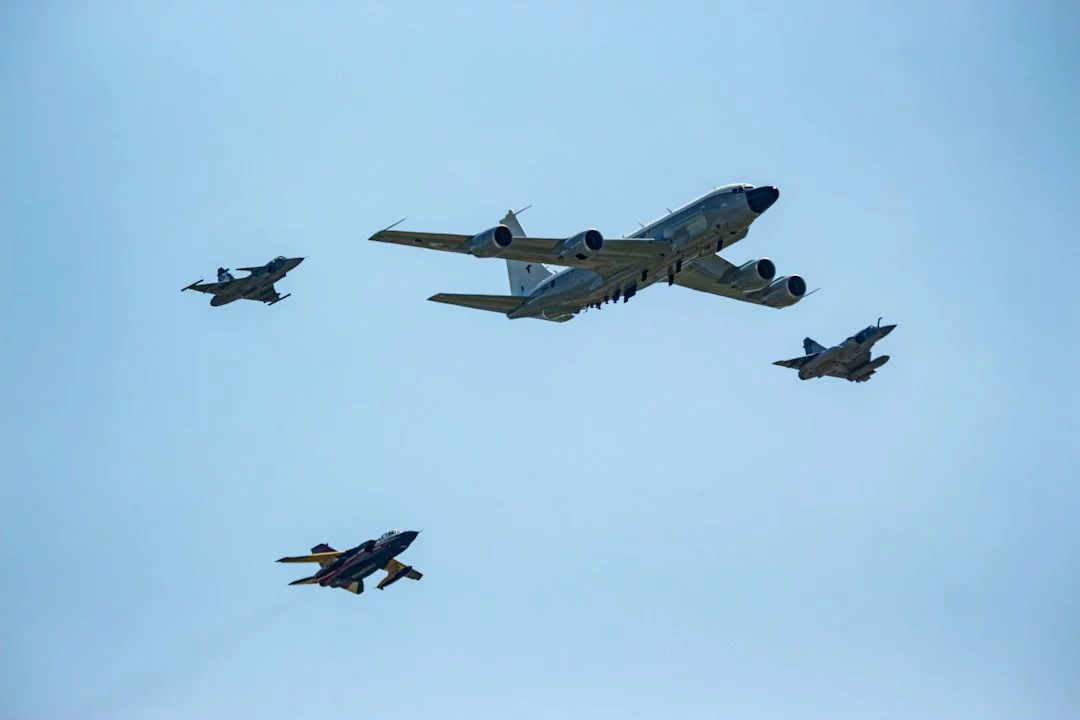
When a hijacking alert on passenger plane forces fighter jets into the air, the event is usually less cinematic than it sounds and more procedural than the public expects. Aviation authorities do not wait for perfect certainty. They react to ambiguity, because aircraft hijacking is one of the few emergency categories in which delay can create irreversible risk. In the reported Dubai incident, the public-facing drama sits on top of a harder question: how does a routine airliner become a national-security concern in a matter of minutes?
Why a cockpit dispute becomes an aviation-security event
The phrase
Frequently Asked Questions
Why do authorities scramble fighter jets even when a hijacking is only suspected, not confirmed?
Because aviation security is built around speed and uncertainty. If controllers wait for absolute proof, they may lose the only window to protect passengers and people on the ground. A suspected hijack can signal a loss of communication, a cockpit threat, or a diversion, so fighter jets are launched as a precaution while authorities verify what is happening.
Does a fighter jet intercepting a passenger plane mean the aircraft is about to be attacked?
Not necessarily. In most cases, the fighter jet is there to observe, identify, and communicate, not to engage. The interceptor helps confirm the aircraft’s condition, shadow it if needed, and relay information to air traffic control and security agencies. The goal is usually containment and clarification, not immediate force.
What makes a hijacking alert different from other in-flight emergencies like engine trouble or medical events?
A hijacking alert is treated differently because it can involve deliberate human intent, not just mechanical failure or illness. That makes the risk harder to predict and potentially more dangerous. Authorities must consider passenger safety, ground security, and the possibility that normal cockpit or radio behavior is being controlled by someone on board.
How can a routine cockpit dispute or communication problem trigger a national-security response?
A cockpit dispute can be interpreted as a possible loss of control, especially if it coincides with silence on the radio, an unusual route change, or suspicious transponder behavior. Since controllers cannot see inside the cabin, they must treat some warning signs as potential security threats until proven otherwise. The response is designed to buy time, not to assume guilt.
What is the purpose of treating ambiguity so seriously in aviation security?
Ambiguity is dangerous in the air because situations can evolve faster than on the ground. A small uncertainty can become a major crisis if the aircraft changes course, loses communication, or reaches a populated area. Aviation systems are therefore designed to overreact slightly rather than underreact, because the cost of delay can be catastrophic.