
Why U.S. Farmers Are Selling Herds as Drought and Feed Costs Bite
American farmers are dealing with drought stress and unusually high feed costs, and that pressure is pushing some to sell their herds sooner than they planned. If you want to understand why these decisions are happening now—and what the knock-on effects can mean for cattle, dairy, prices, and local communities—this article breaks down the real economics, the on-the-ground trade-offs, and the signals to watch next.
Key Takeaways
- Drought reduces grazing and forage availability, forcing more purchased hay, silage, and grain.
- Higher feed costs tighten margins, especially for cow-calf and dairy operators with limited cash reserves.
- Herd liquidation can stabilize short-term cash flow, but it raises long-term rebuilding risk.
- Markets and consumers may feel second-order effects through pricing, supply timing, and product mix.
Why are U.S. farmers choosing to sell their herds right now?
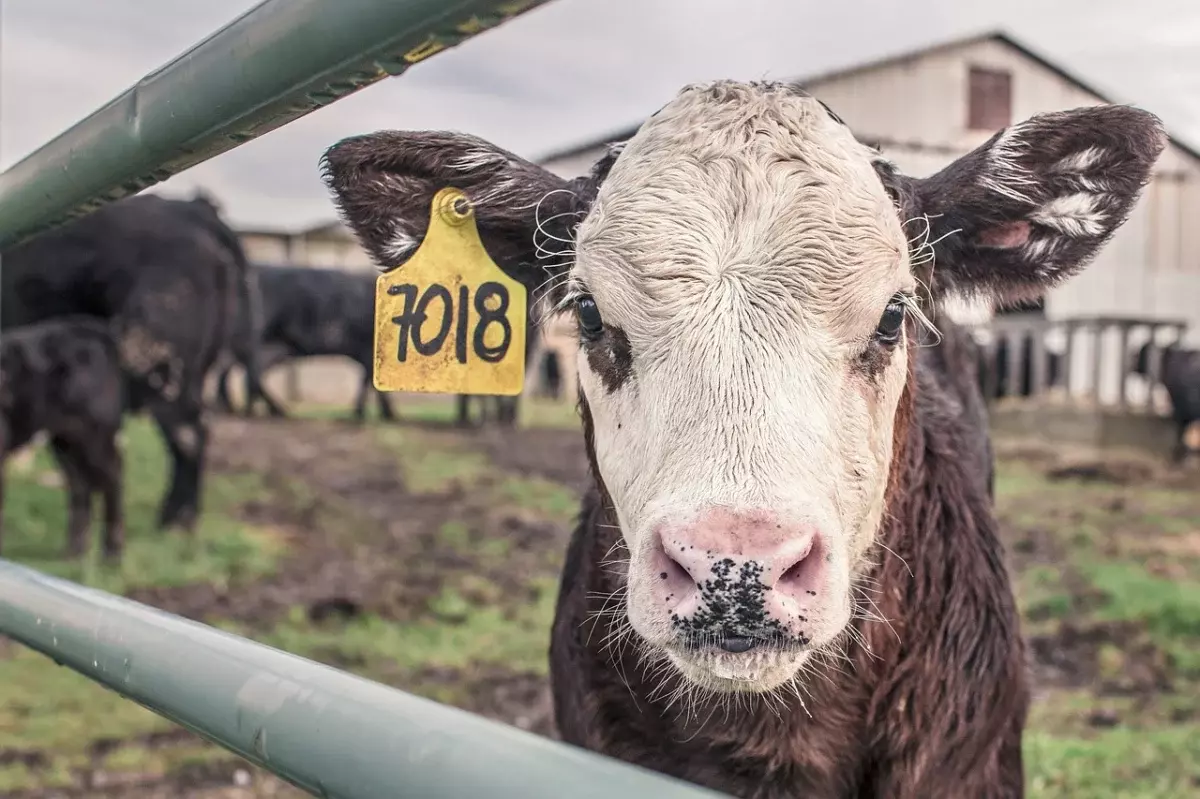
When pasture and stored forage run short, farmers must decide whether to keep feeding and absorbing losses or to liquidate part of the herd to protect cash flow. Selling animals can convert feed demand into immediate revenue, helping operators cover essentials like feed, veterinary care, labor, and debt service.
In the current environment, drought and high feed costs combine into a problem that’s less about a single bad week and more about sustained pressure. For many operations, the situation becomes a
Frequently Asked Questions
How does drought specifically push farmers to sell cattle or dairy cows sooner than planned?
Drought cuts pasture growth and can reduce the quality and yield of stored forages like hay and silage. That often forces farmers to buy more feed, sometimes at higher prices, to keep animals alive and productive. When feed supply is tight and costs rise for weeks or months, the financial strain can make early herd liquidation the least-bad option.
If farmers are selling herds, is it mainly because of lower demand rather than feed costs?
In many cases, the immediate trigger is cost pressure, not collapsing demand. Higher feed costs squeeze operating margins, especially for cow-calf and dairy farms that have limited cash reserves. Even if market prices remain steady, the farm can still run out of money because feed bills and other expenses (vet care, labor, debt service) rise faster than revenue.
Why does herd liquidation sometimes help cash flow in the short term, even if it hurts the long term?
Selling animals turns “future capacity” into immediate revenue, which can fund essentials like purchased hay, silage, and grain, plus veterinary care and debt payments. That cash can prevent missed obligations. However, reducing herd size also means less breeding stock and fewer future calves or milk producers, increasing the risk that rebuilding will take longer and cost more later.
What are the second-order effects on beef and dairy consumers when farmers sell herds early?
Herd liquidation can change timing and supply levels. In beef, fewer cattle entering the system can eventually tighten supply and influence prices downstream. In dairy, reduced cow numbers can affect milk volume and potentially product mix. The effect may not be immediate, but markets can adjust as the reduced production cycle propagates.
What signals should readers watch next to gauge whether liquidation will continue or ease?
Key indicators include pasture and forage condition reports, hay and grain price trends, and whether drought outlooks improve or worsen. Farmers also watch credit availability and whether costs remain elevated relative to cattle or milk prices. If feed costs start falling while forage improves, some operators may slow liquidation and try to maintain herd size.